Nubian Studies Conference | Munich

NOTE: site development in progress .....
In September my wife, Mona Sherif, and myself attended the 16th International Society for Nubian Studies conference in Munich, Germany. The conference which gathered together scholars, academicians, archaeologists, researchers, and other specialists in fields ranging from app development to photography, mapping and archiving took place from 7 to 12 September 2026.
 Abasseya Project
Website for the International Society for Nubian Studies
Four years earlier, as I was researching topics on Nubia, I came across an announcement for the quadrennial for the conference that was to take place in Warsaw, Poland. I reached out to them and we were invited to attend. However, we had property business to attend to and were unable to make the trip to Europe.
My daughter Nabra who is now the director of the non-profit Nubian Foundation (https://nubianfoundation.org/) that my wife and I founded 1998 was contacted by the British Museum regarding the foundation. Along with my wife, Nabra participated in a number of outreach and educational sessions sponsored by the museum. In the ensuing months, the 2026 Nubian Studies Conference was talked about and our participation was encouraged. We submitted a proposal to give a presentation on my decades long photographic documentation of Nubia with Mona talking about contemporary life of the Nubians. It was accepted and we made plans to travel to Munich.
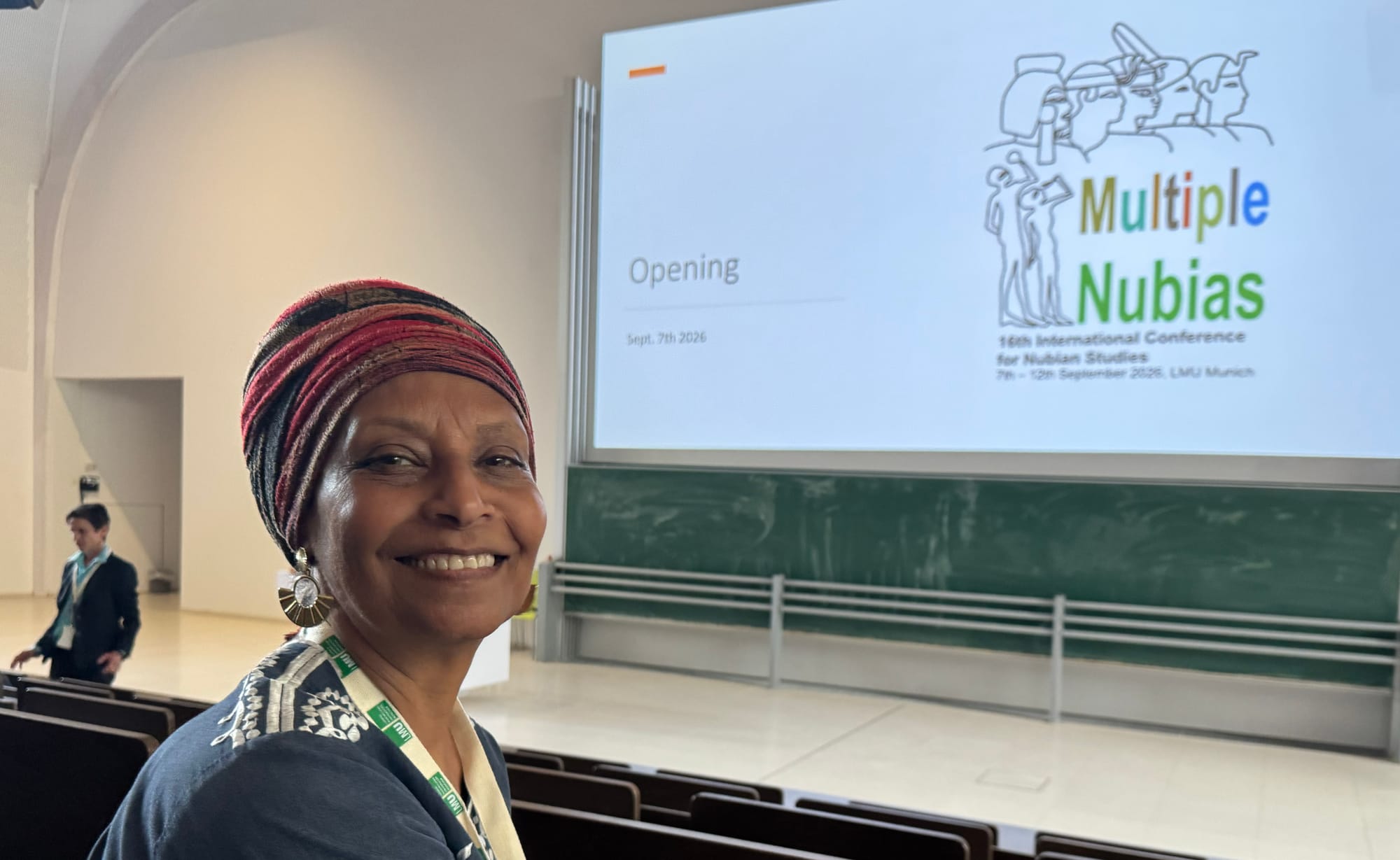
Opening of the conference |
The opening session got underway with a welcoming speech by ISNS President Artur Obluski followed by a pre-recorded account of the state of affairs in war-torn Sudan by Dr. Mahmoud Suleiman Mohammed Bashir, Director General of the National Corporation for Antiquities and Museums in Sudan.
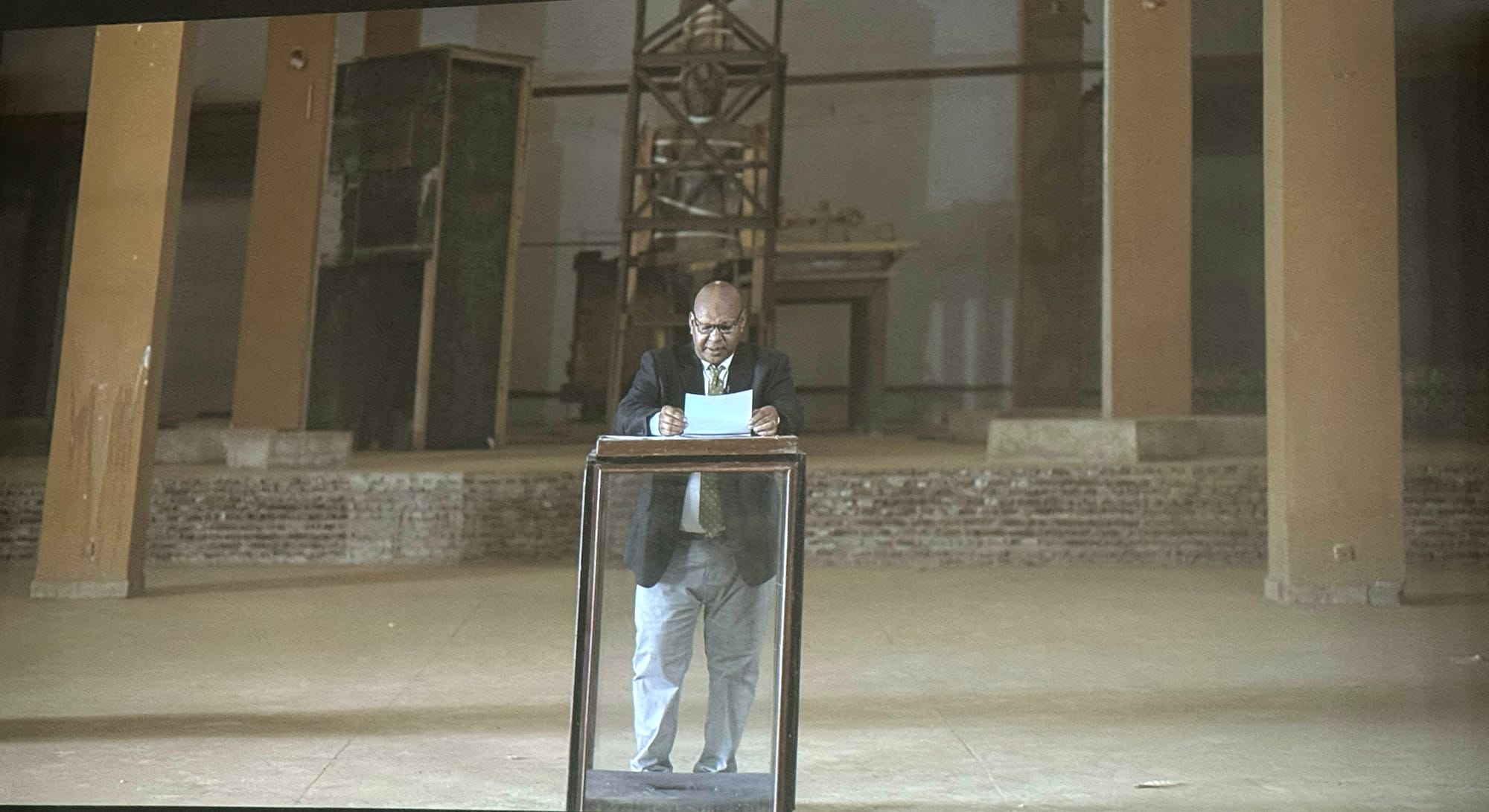
The National Museum of Sudan suffered severe destruction and widespread looting during the two-year civil war with the Rapid Support Forces (RSF) occupying the building and using it as living quarters and sniper positions. Sudanese Army forces recaptured the area in early 2025 and it is estimated that 60 to 90 percent of the museums 100,000 artifacts spanning 7,000 years of Nubian, Kushite, Coptic, and Islamic history—had been stolen, vandalized, or destroyed.
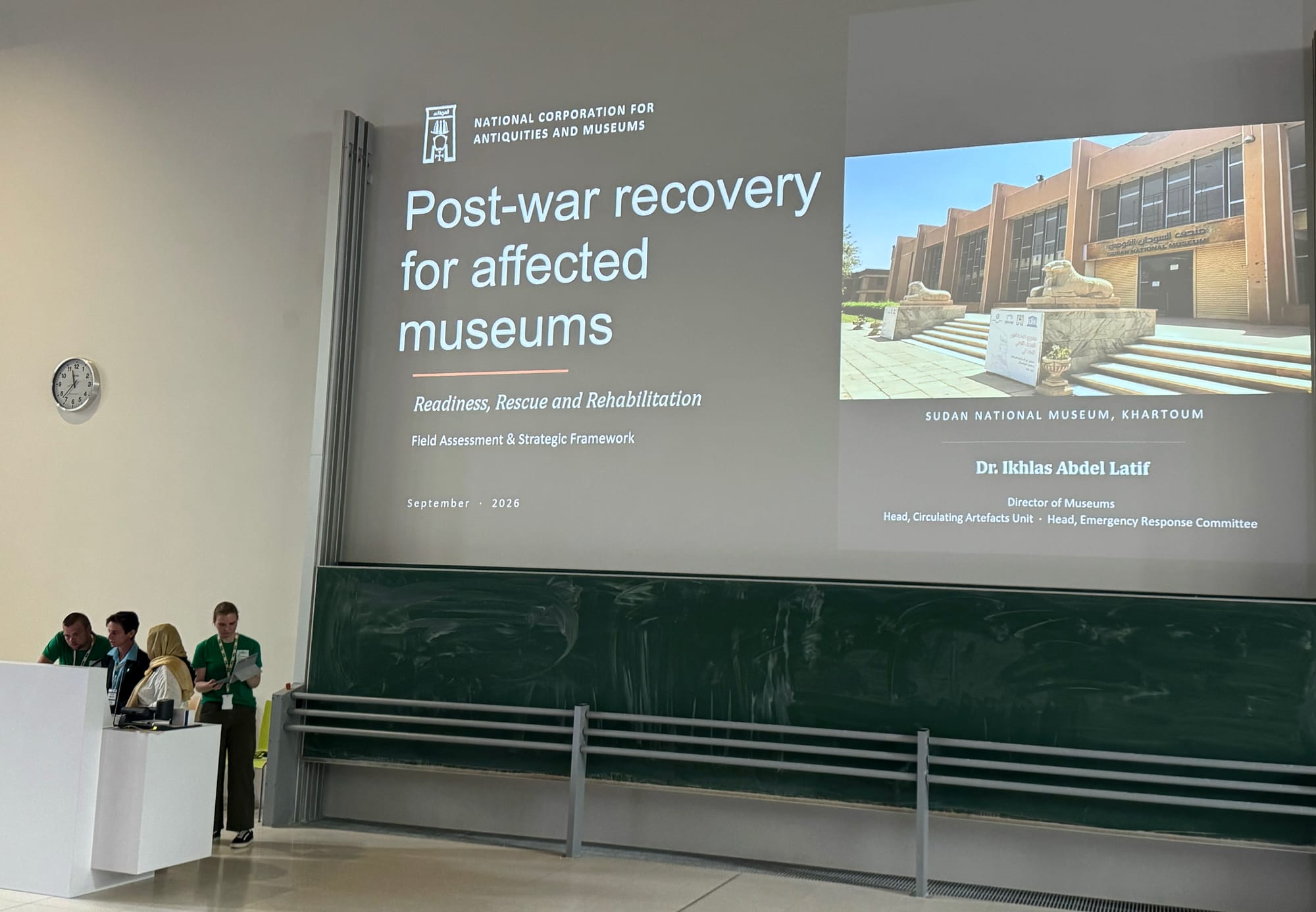
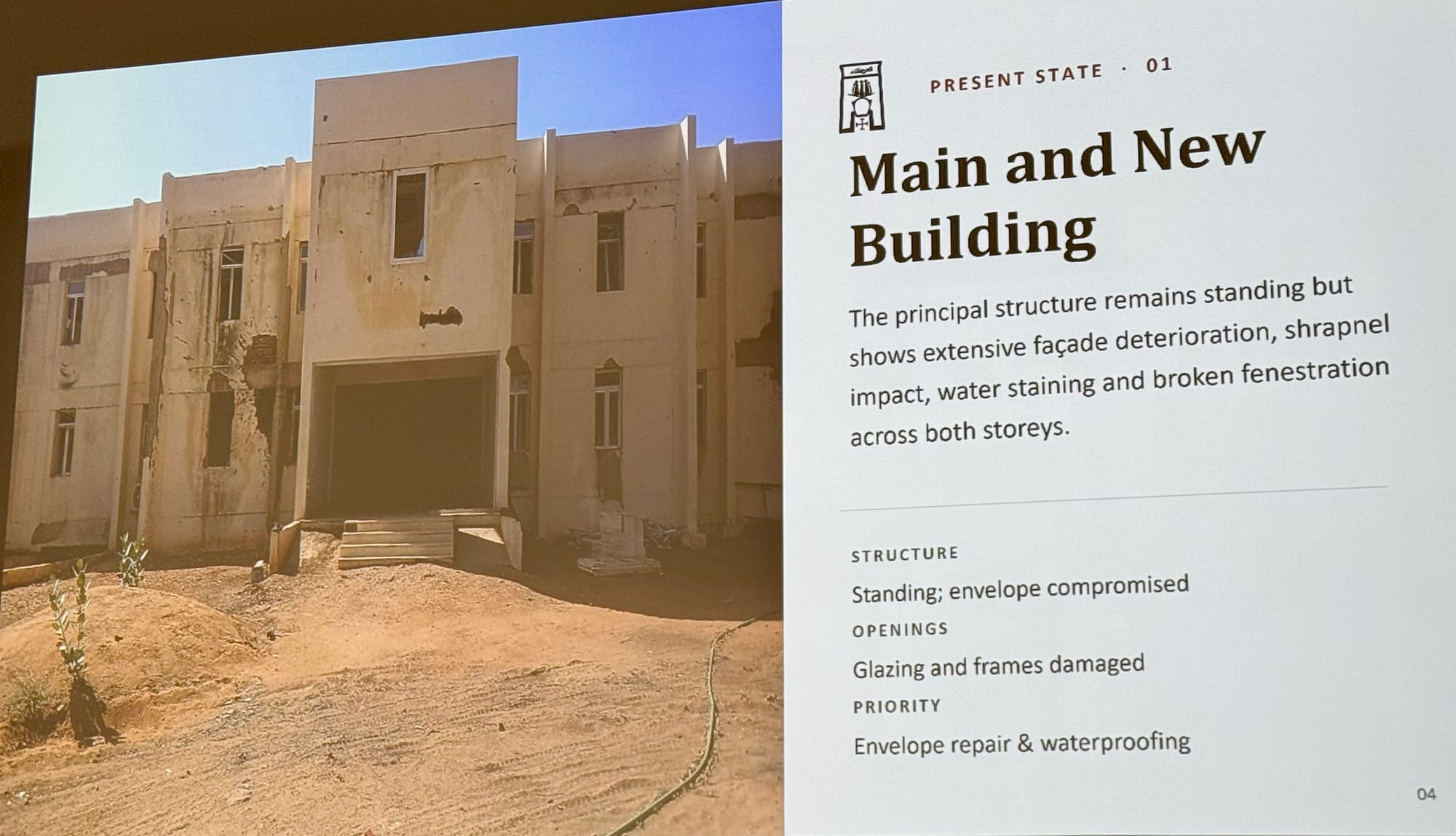
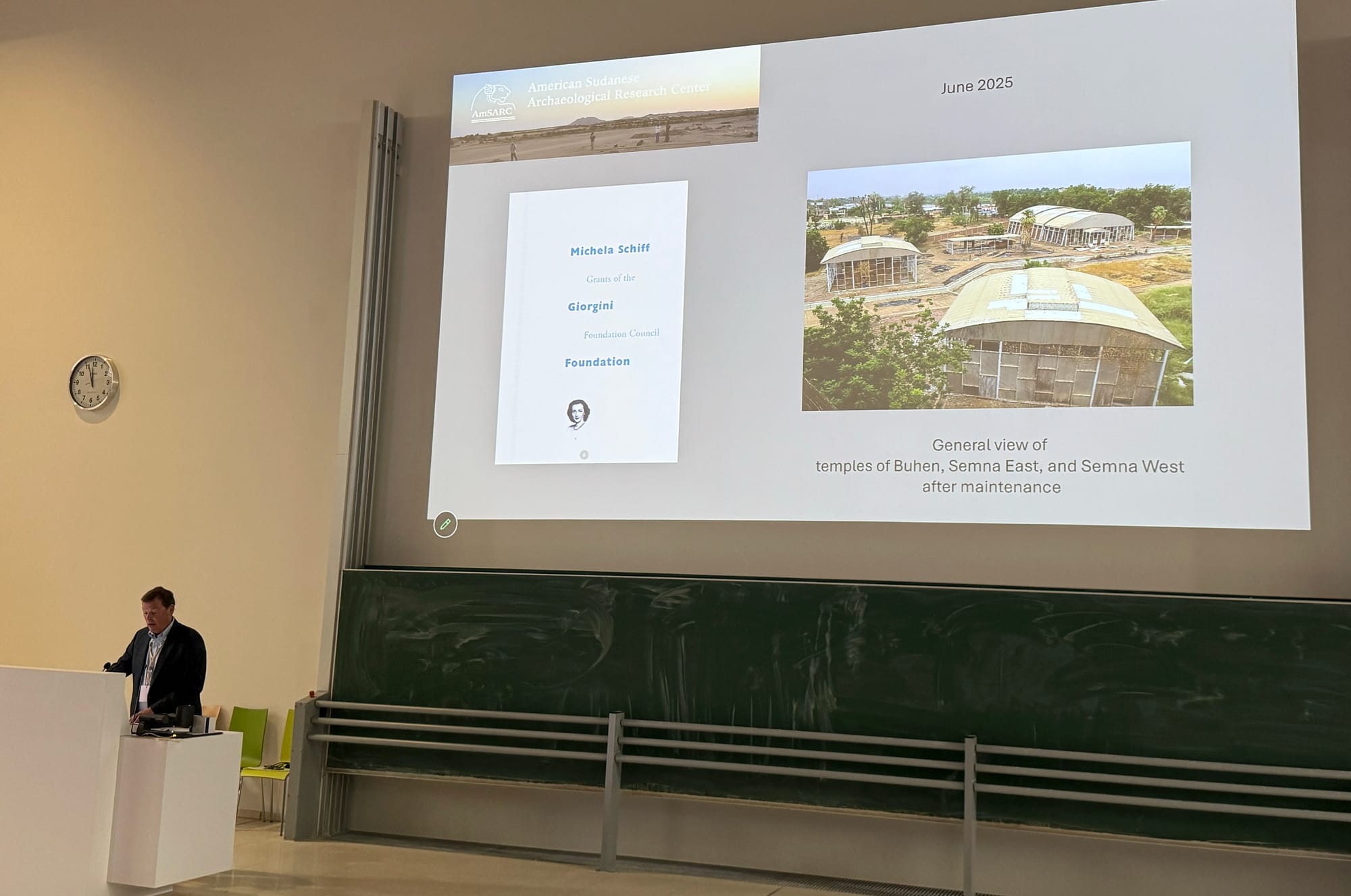
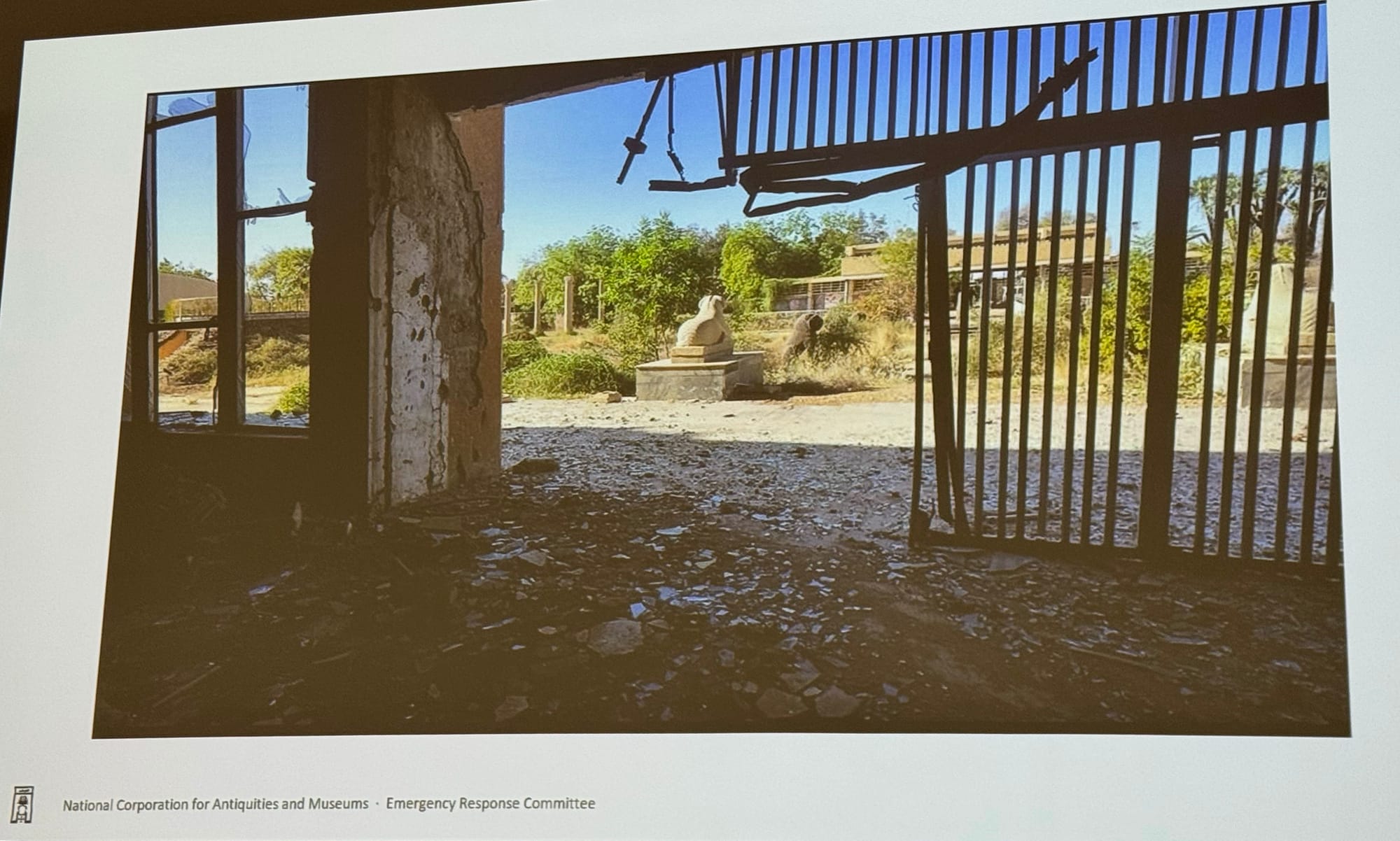
Secretary General Roman Luckscheiter (bottom left), German Commission for UNESCO and images from the museum
Archaeologist Julia Budka, Professor for Egyptian Archaeology and Art History at the Ludwig-Maximilians-University Munich, presented a comprehensive lecture titled "Diverse Nubias: Challenging the monolithic understanding of New Kingdom Nubia". Professor Budka's lecture presented an in-depth overview of the diversity of Nubia and how it not only shared but was distinctive from it's often Egyptianized characterization during the New Kingdom era (c. 1550–1070 BCE).
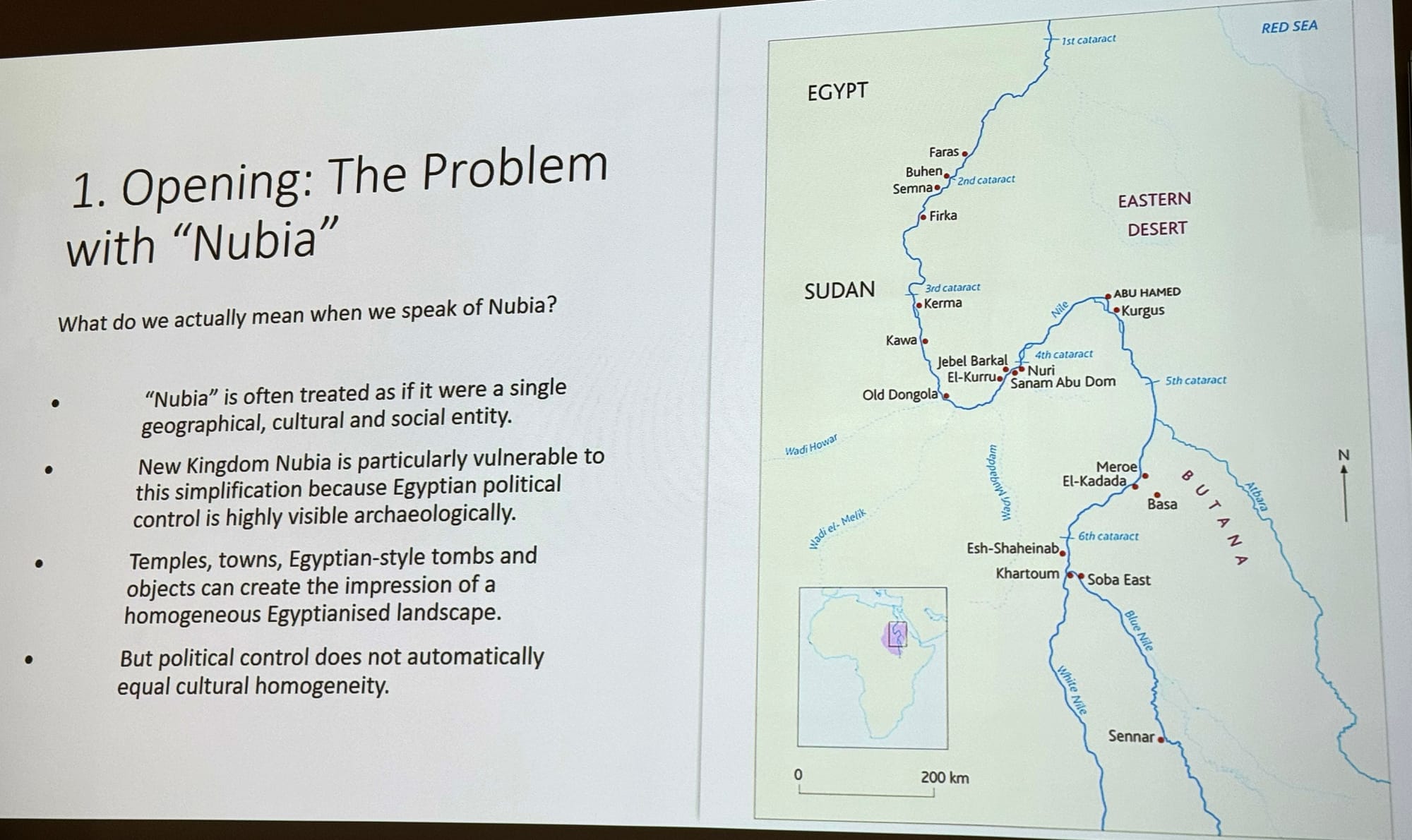
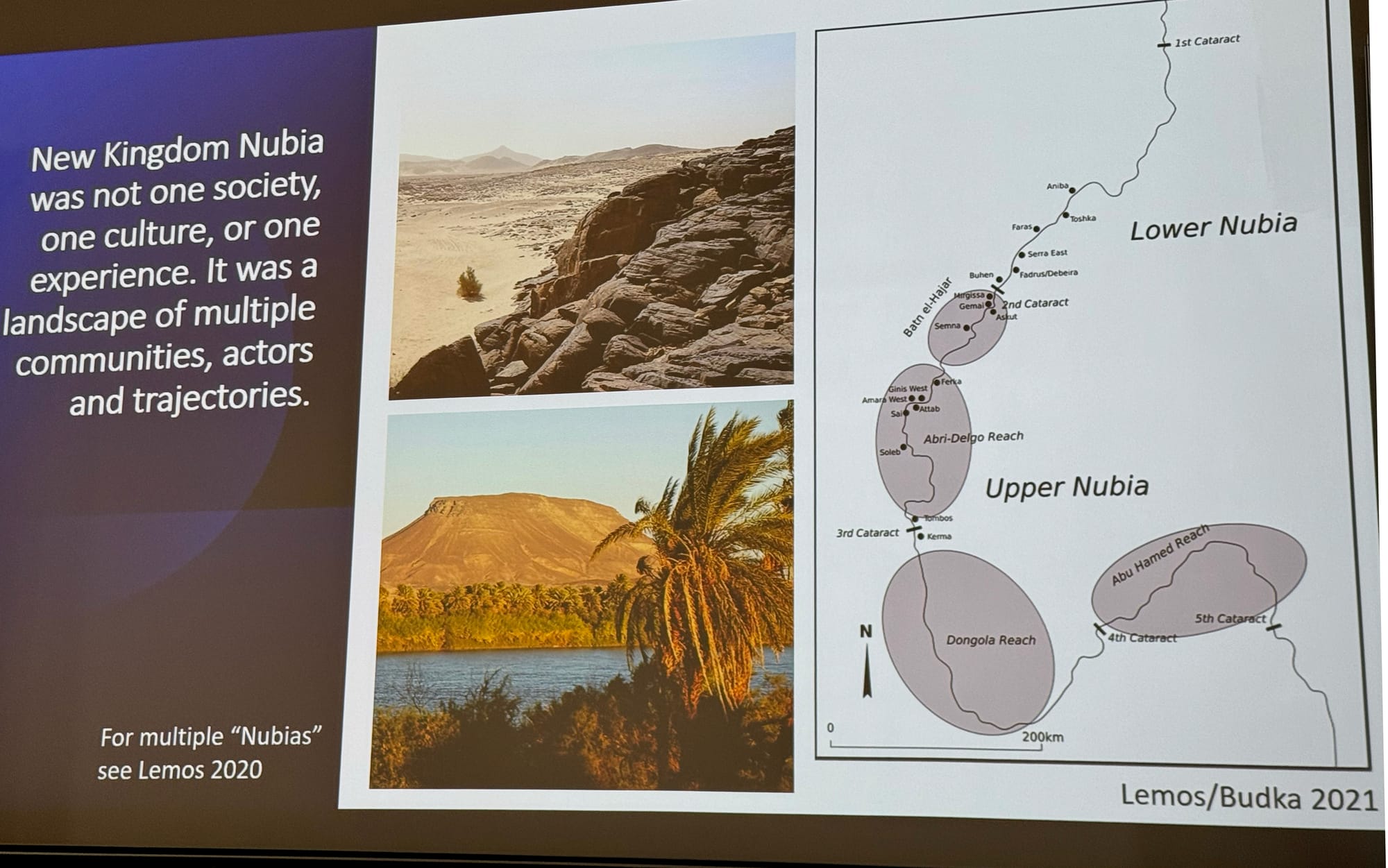
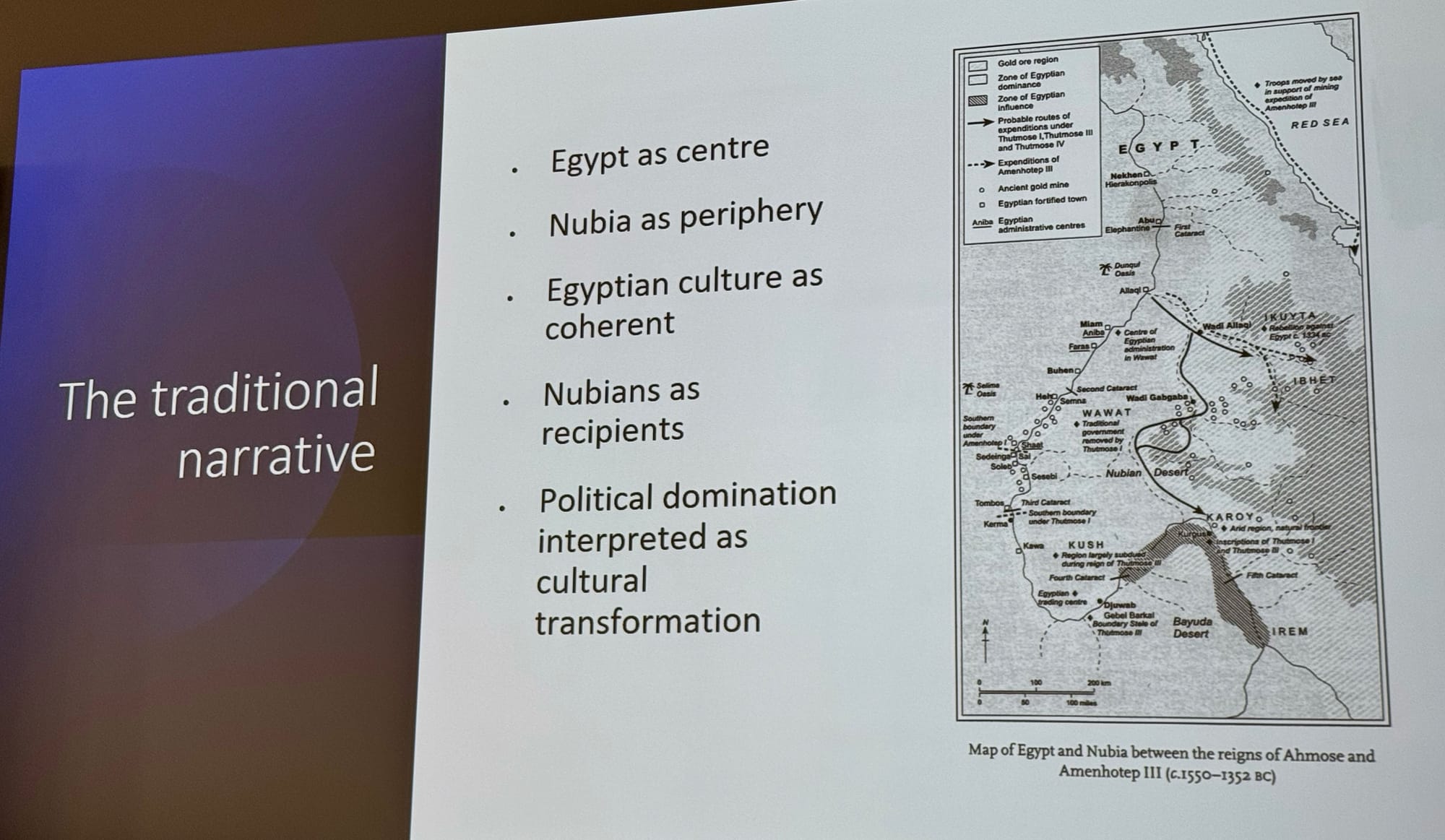
Some presentation slides from Professor Budka's lecture
More information on her research on New Kingdom Nubia https://www.tandfonline.com/doi/full/10.1080/00438243.2021.1999853#d1e151
https://nubianstudies2026.de/wp-content/uploads/2026/08/ICNS_Book-of-Abstracts_en.pdf
Our presentation on contemporary Nubian life |
On the second day of the conference, Mona and I made our presentation titled "Photographic Exploration of Contemporary Nubian Life." I have been documenting Nubia for almost 40 years and much of my photographic effort has centered around Mona's family.
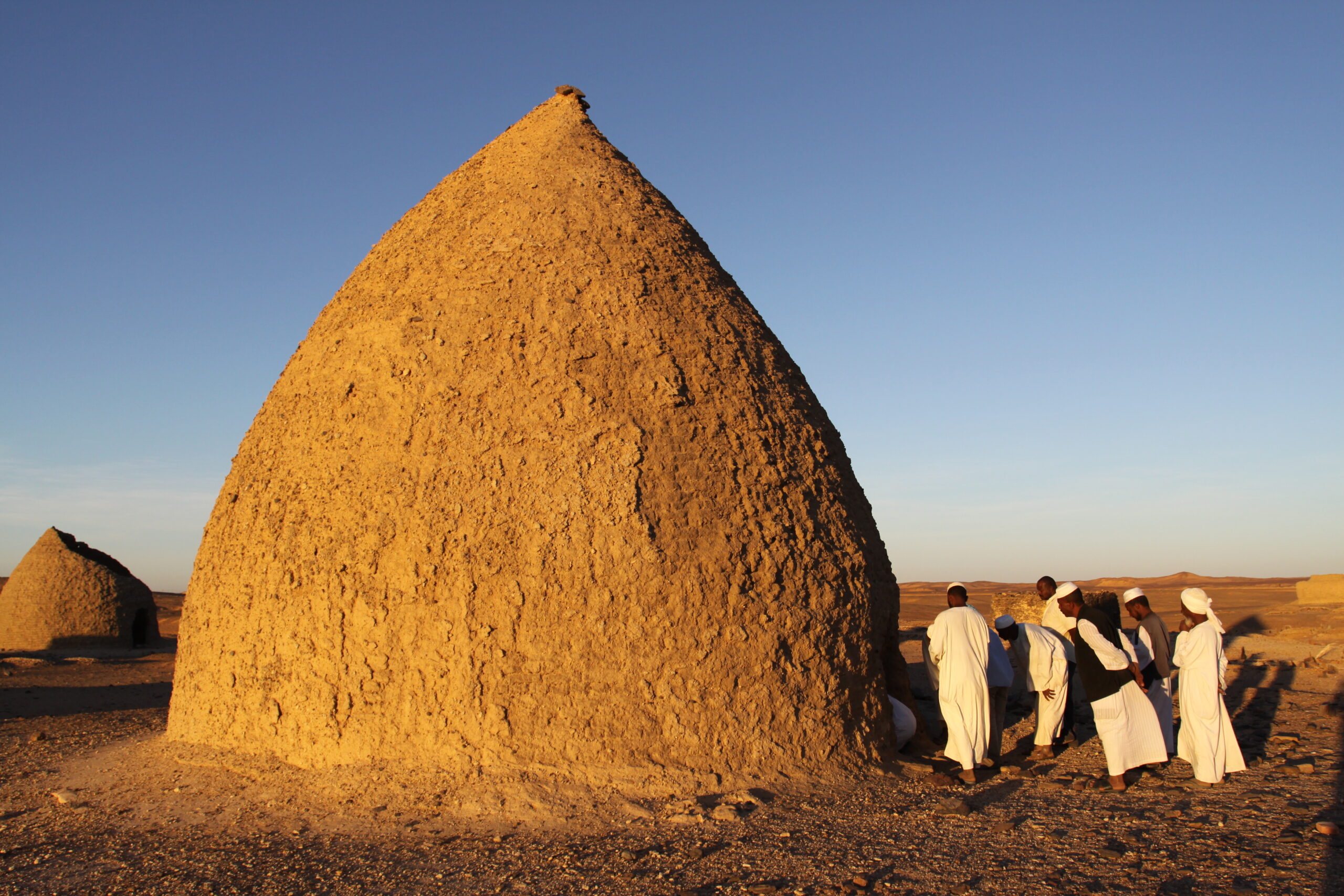
Nubia is incredibly diverse and family is at the core of Nubian life. I felt in order for the audience to get a sense of what it is to be Nubian, I needed to include not only photos of family life, traditions and celebrations, but also the geography, the monuments, the river, displacement villages as well as those few villages that were not inundated by the flooding of Nubia. In the early 1960s, the Aswan High Dam was completed and most of Egyptian Nubian and a portion of Sudanese Nubia was buried under Lake Nasser - at the time - the largest man-made lake.
Mona recounted stories from her childhood in the village as a young girl. When her village of Abu Simbel was flooded her family moved to Cairo. She tells of her struggles to assimilate with Egyptian city life and how the Nubians tried to maintain their languages, culture and traditions. Her father, Mohy el din Sherif, a Nubian scholar, author and song writer, figures prominently in her life and those of the displaced Fadija Nubians. She relates her close relationship with him and how he carried on Nubia's linguistic and musical heritage.
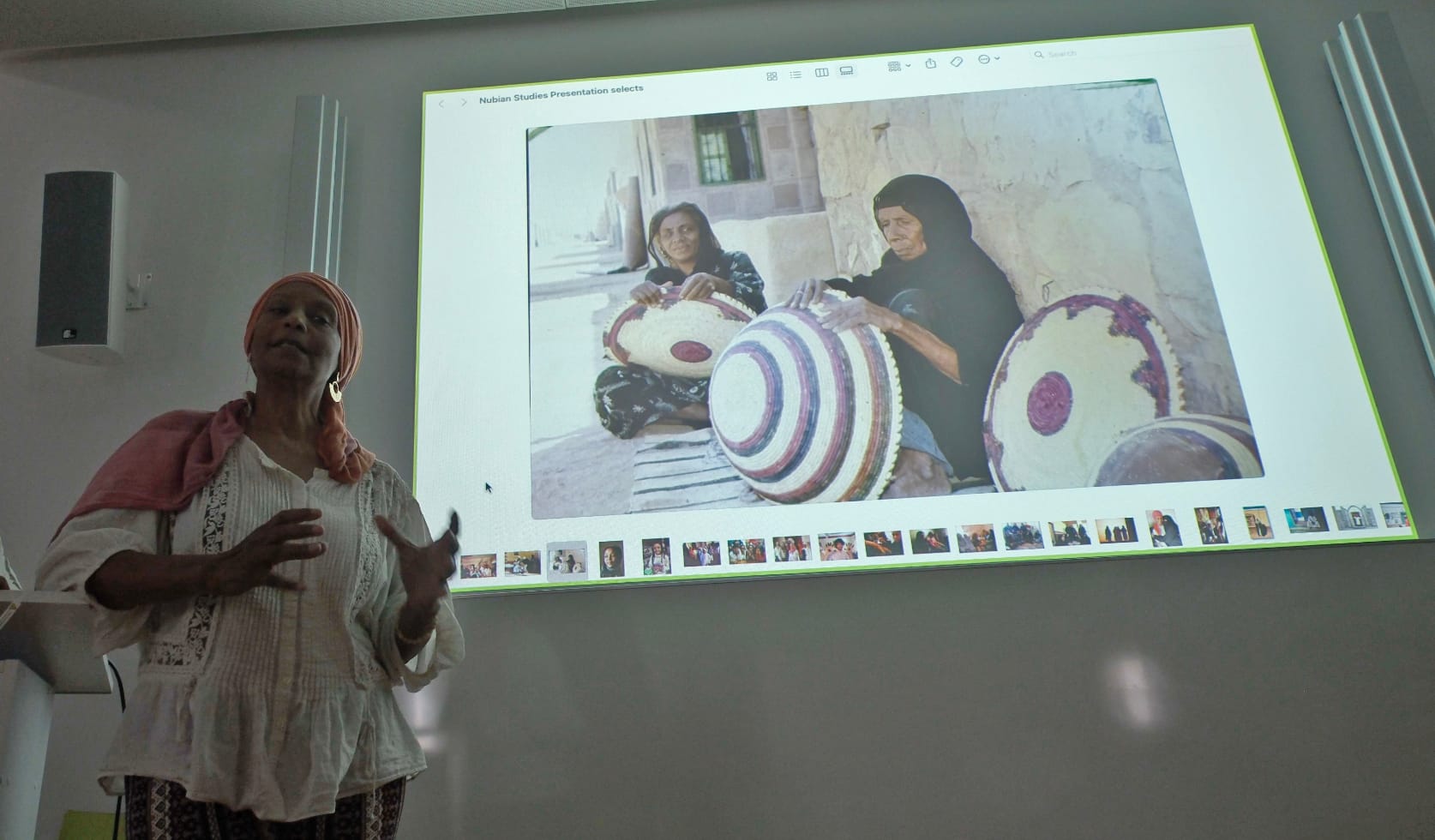
Images of Nubia |
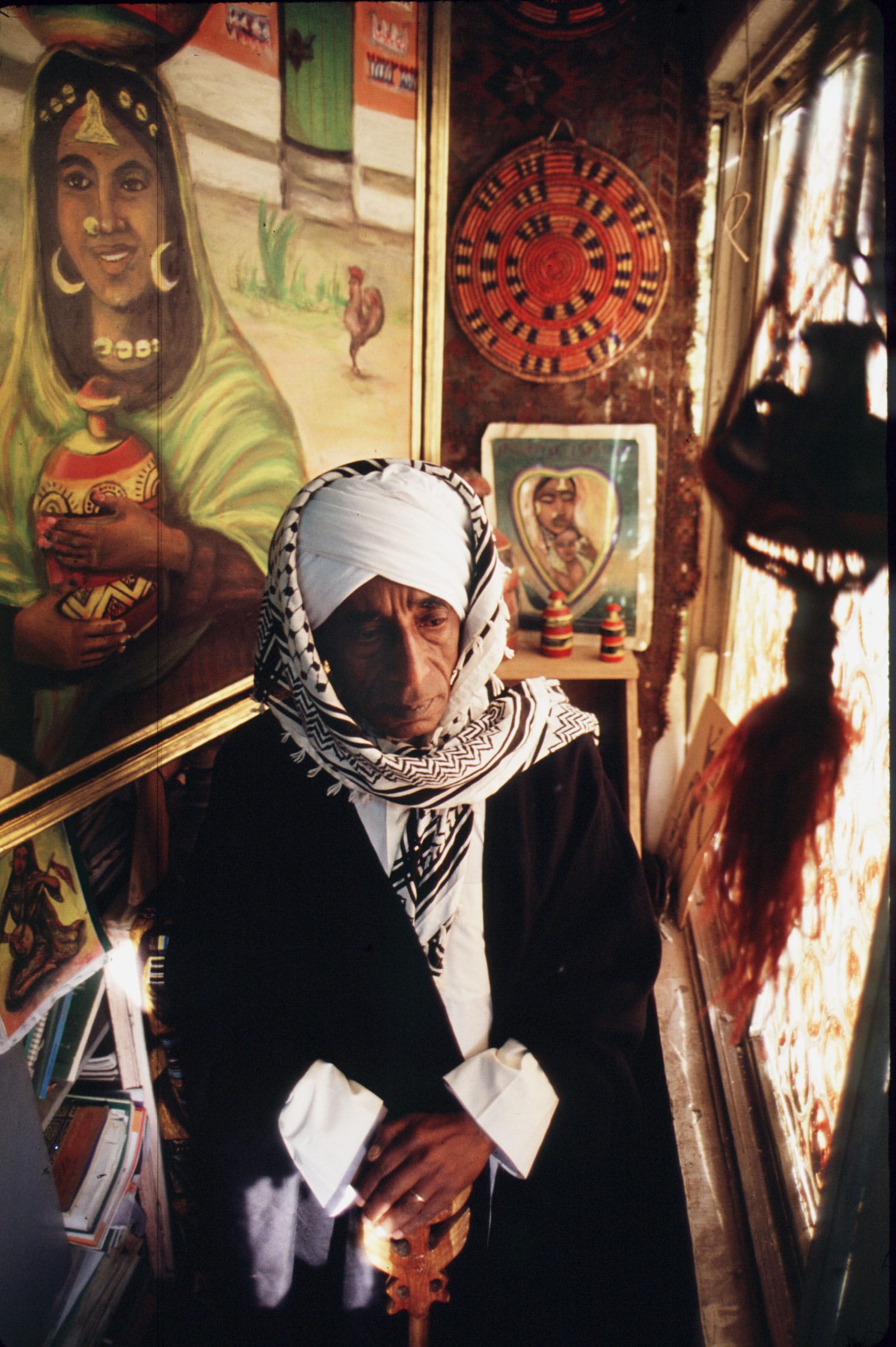
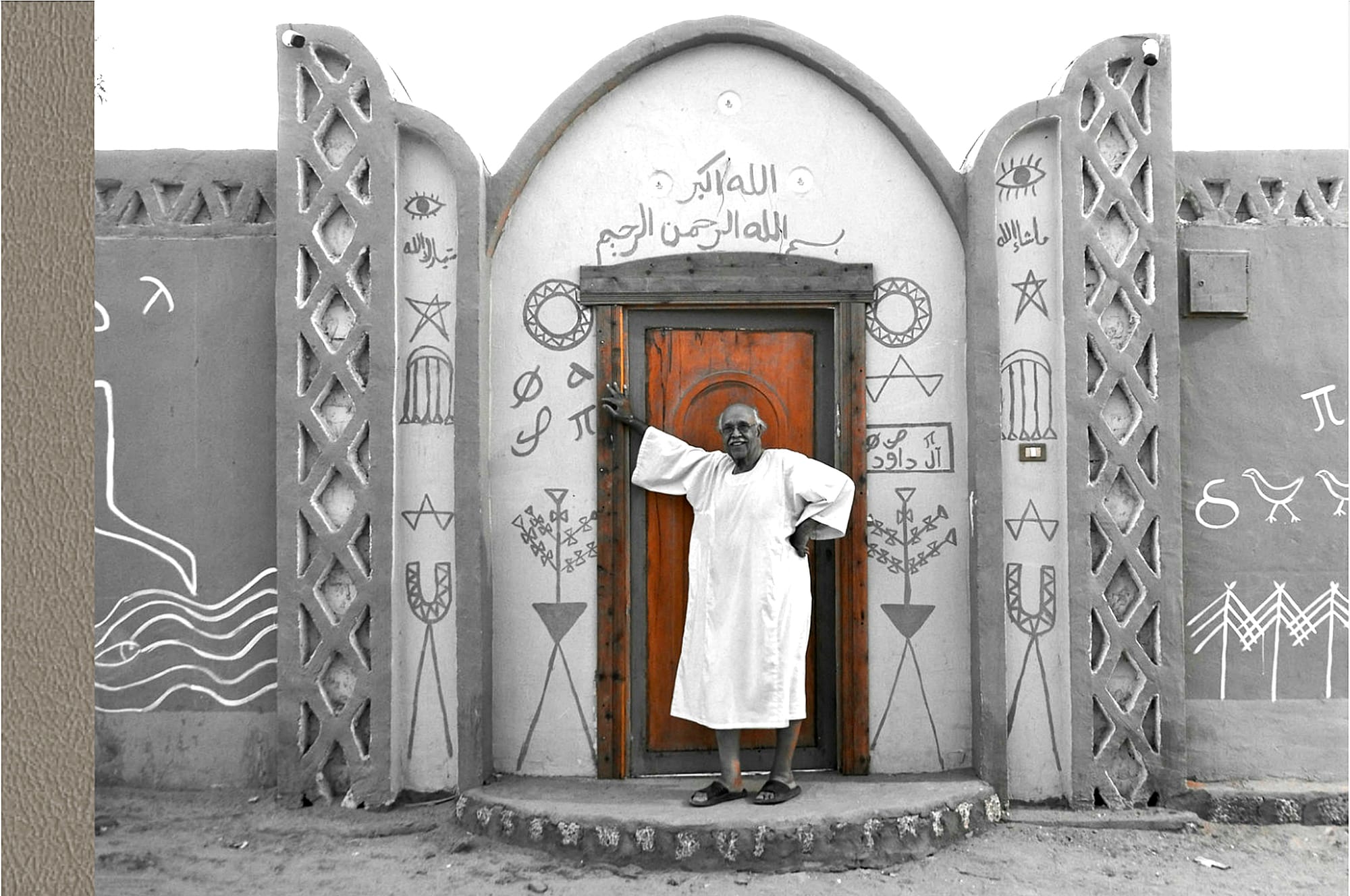
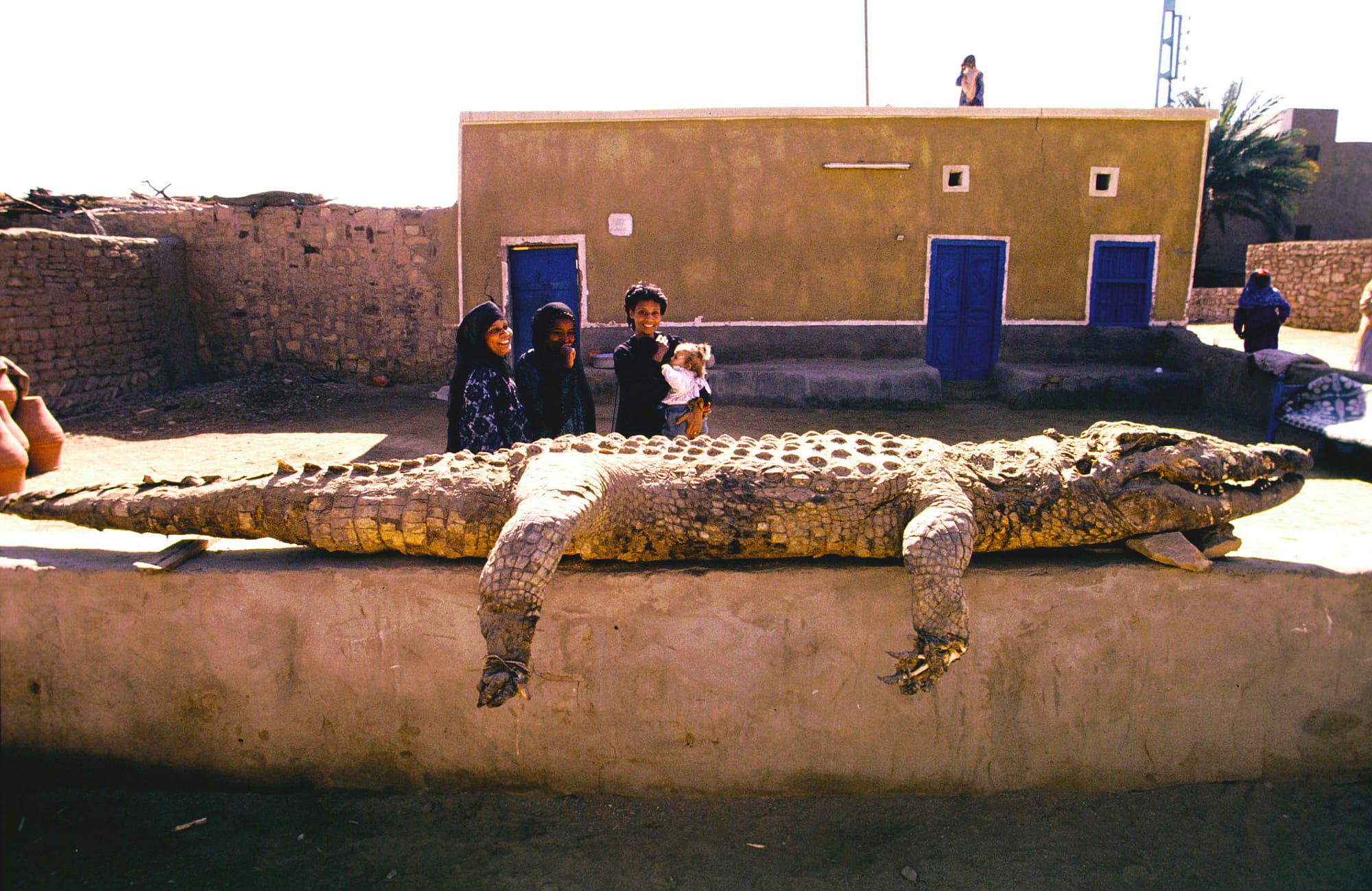
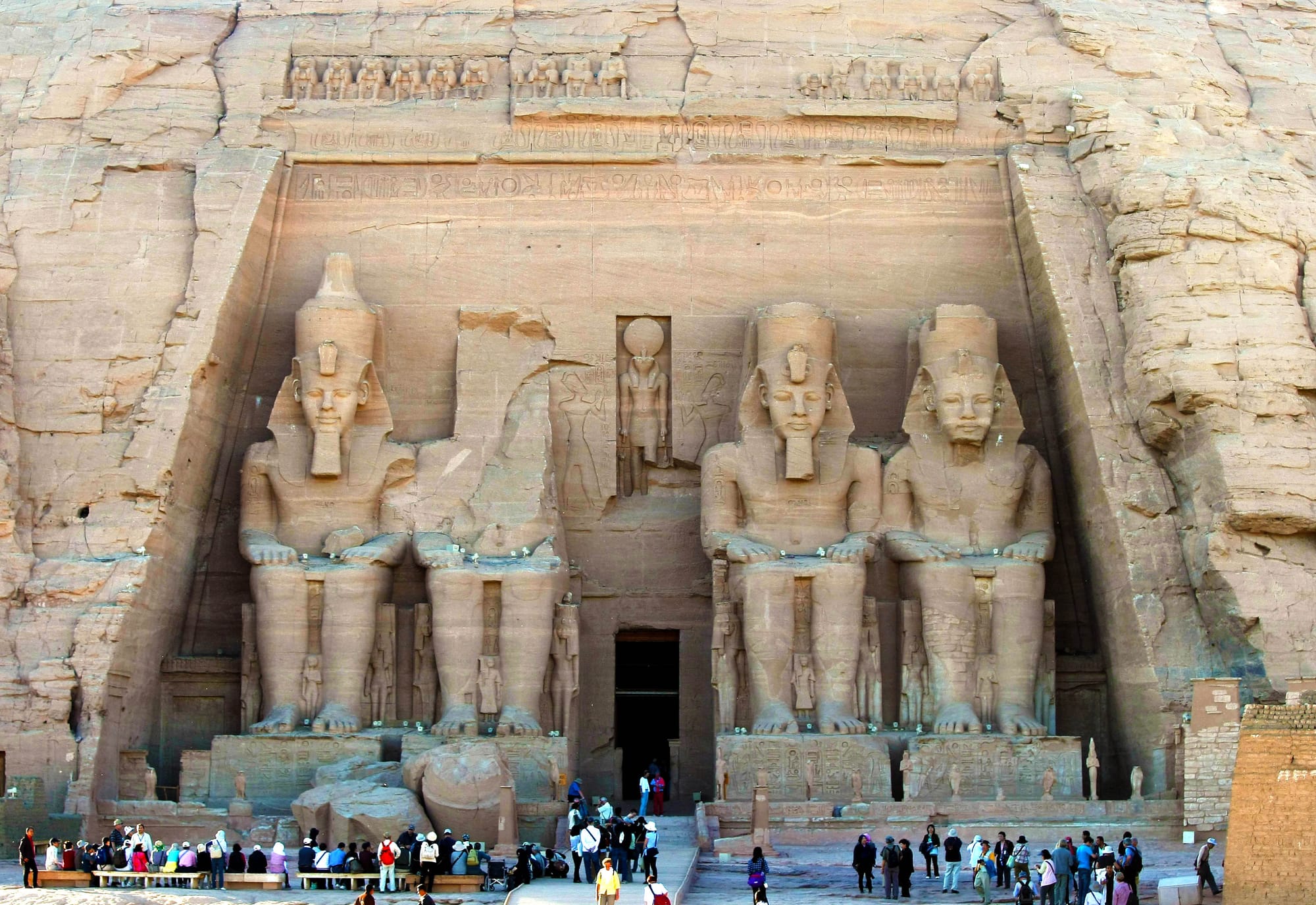
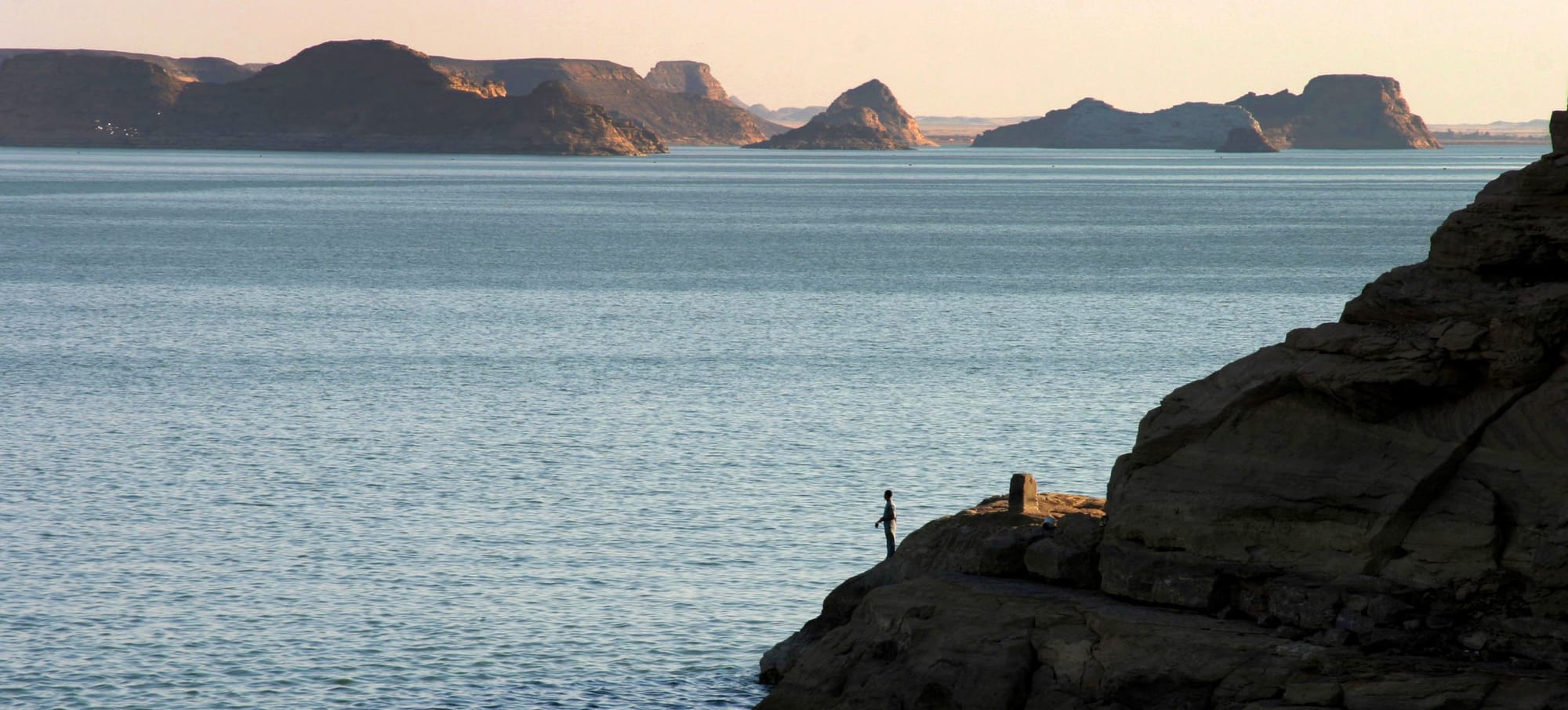
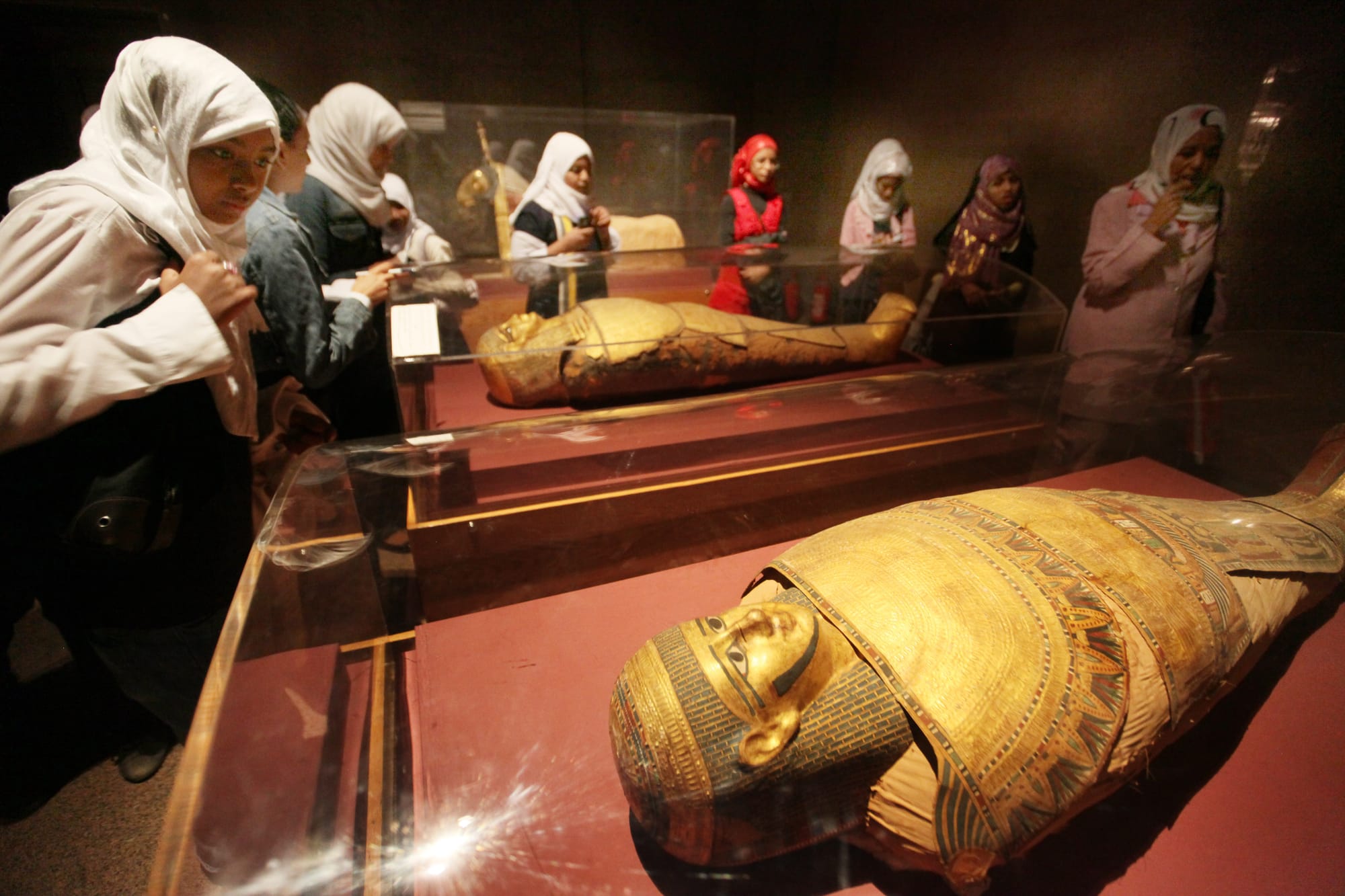
Mona's father, Mohy el din Sherif | Her uncle, Abdel Qader Dawood at the entrance of his home in Gharb Suheil | Mona with her mother, Fatma Badeen and cousin, Hoda, in the displacement village near Kom Ombo | Ramses II Temple | Abu Simbel | Lake Nasser | Nubian Museum | Aswan
Nubian house paintings |
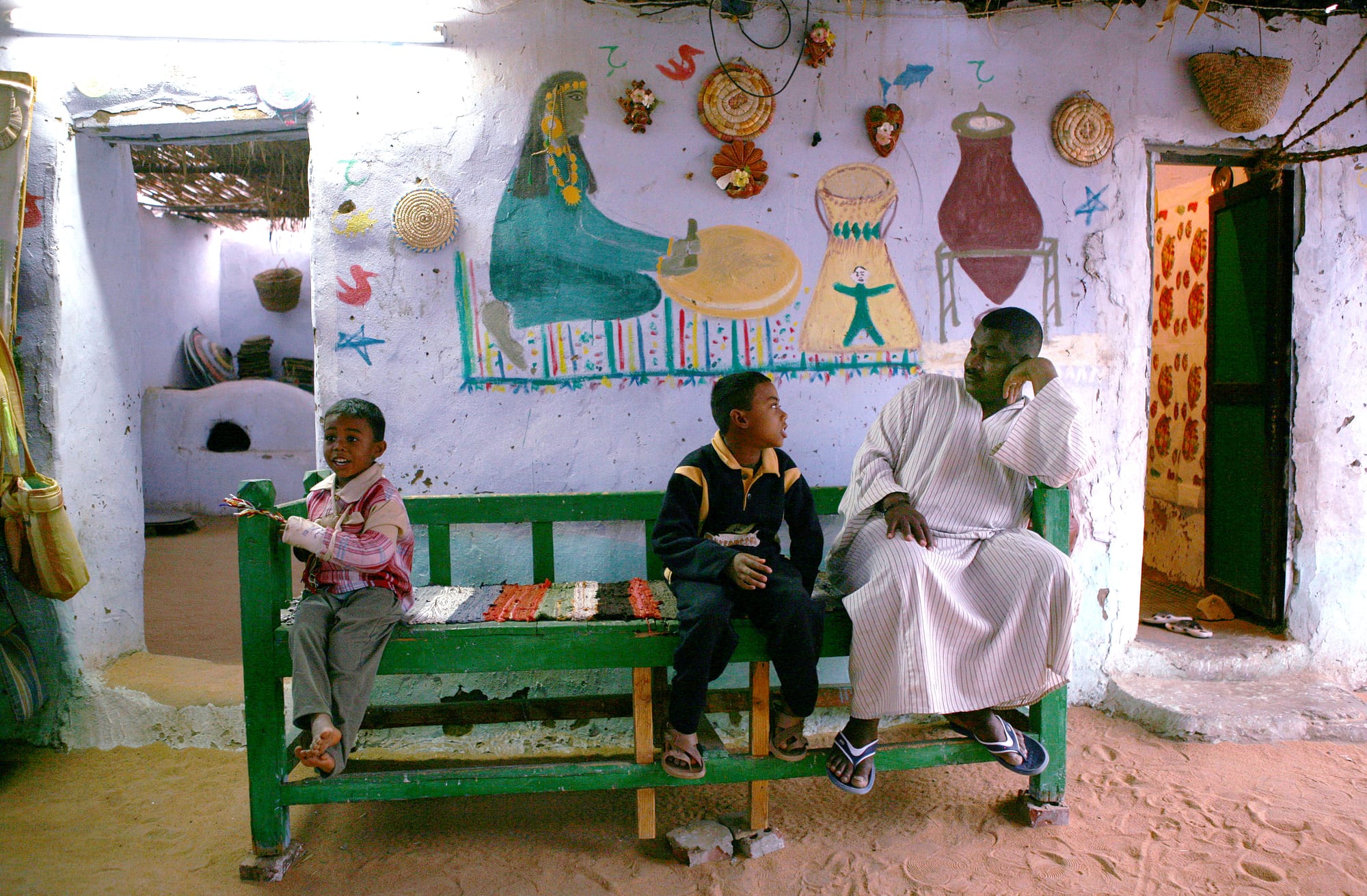
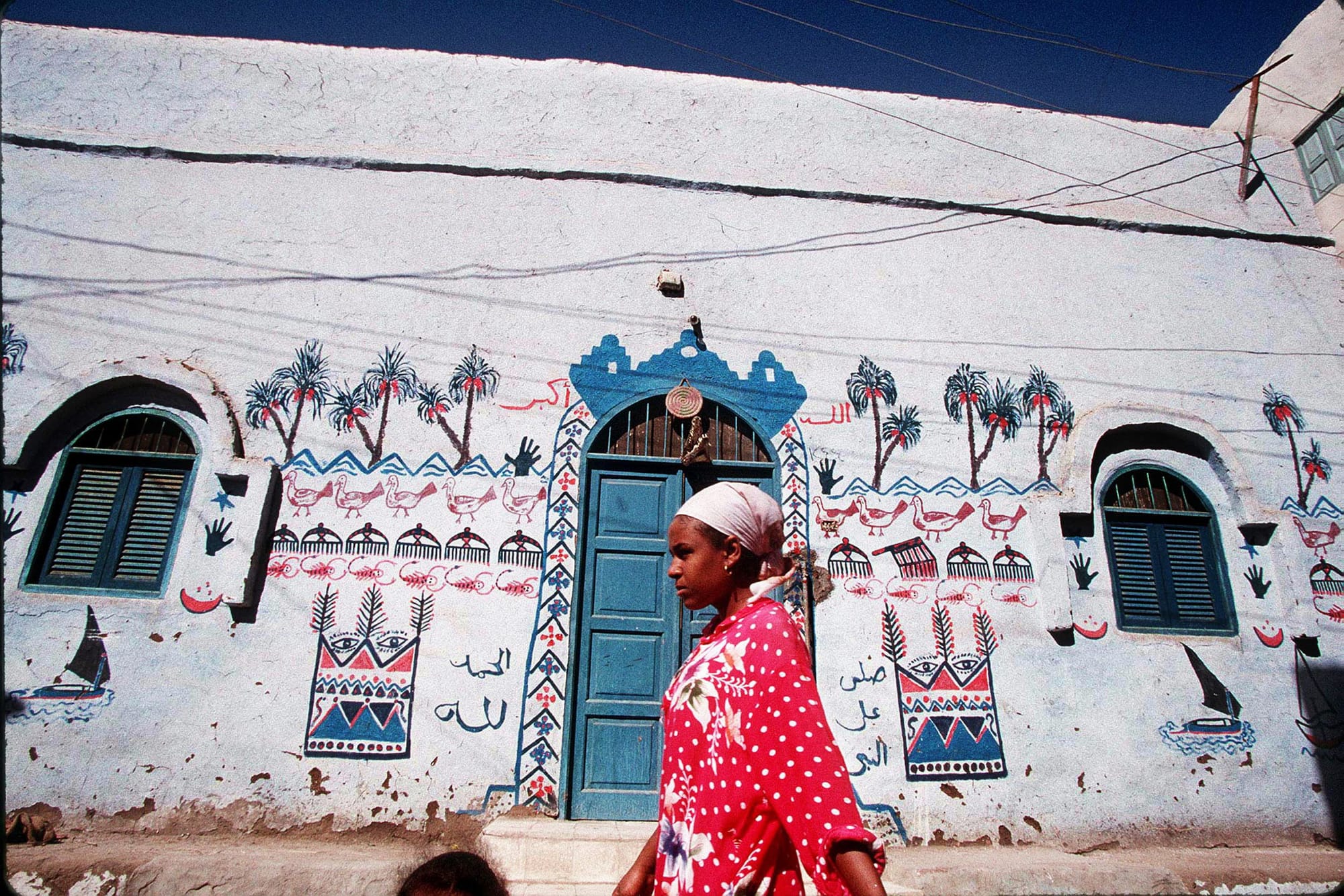
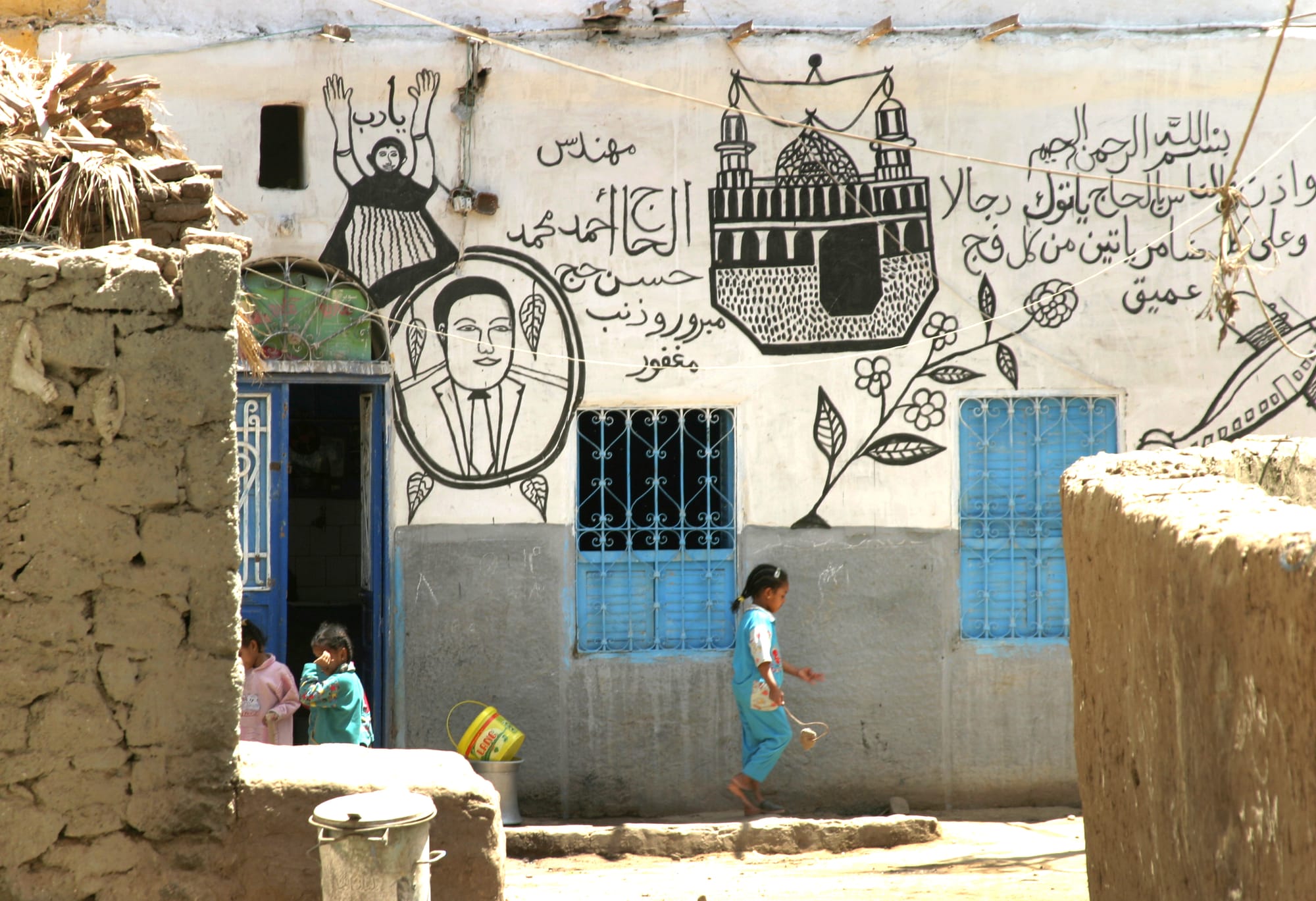
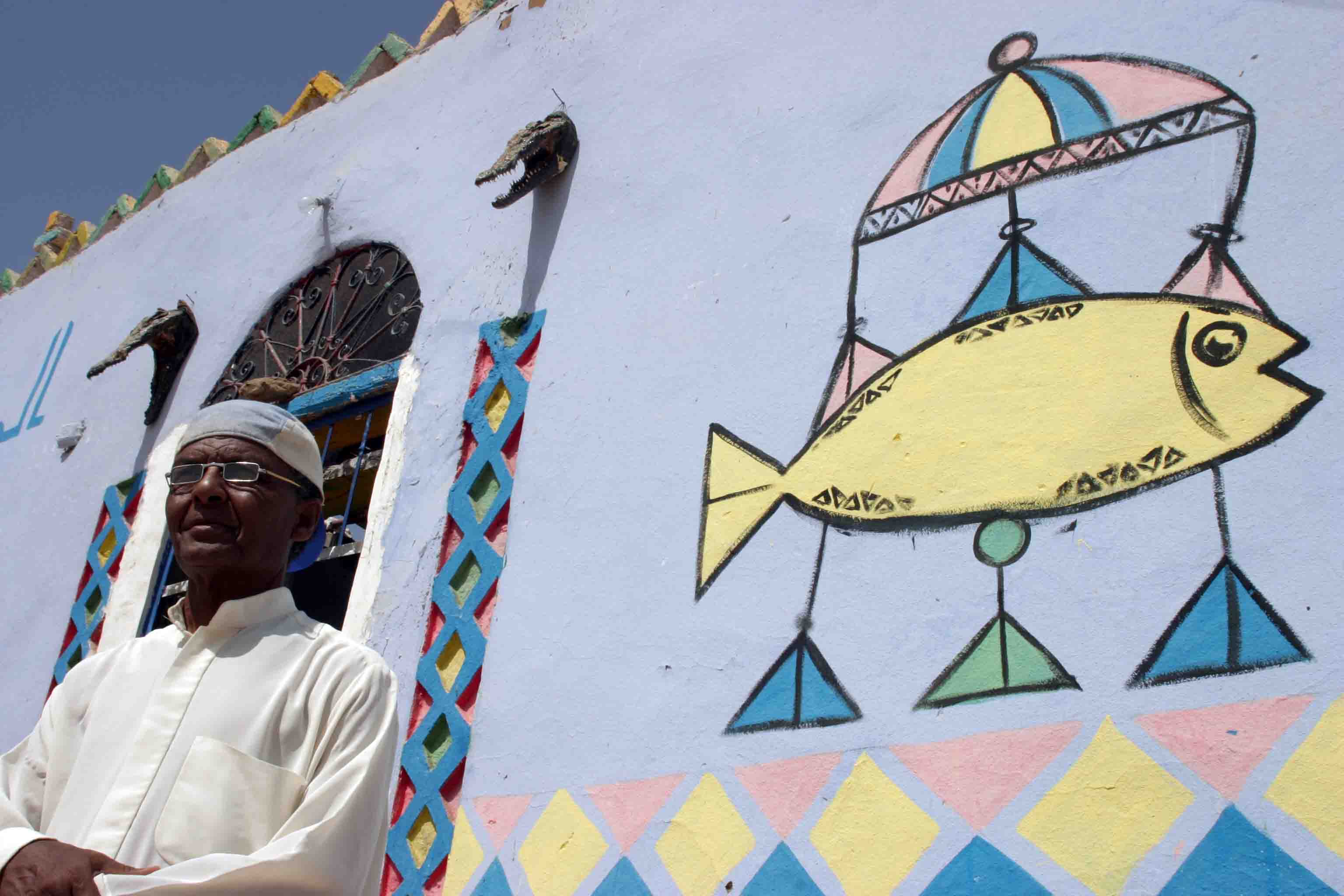
Nubia house paintings | Mona did her graduate dissertation on "The Symbolic & Impressionistic Significance of the Wall Paintings of Old & Present Nubian Fadija Home"
Village Life |
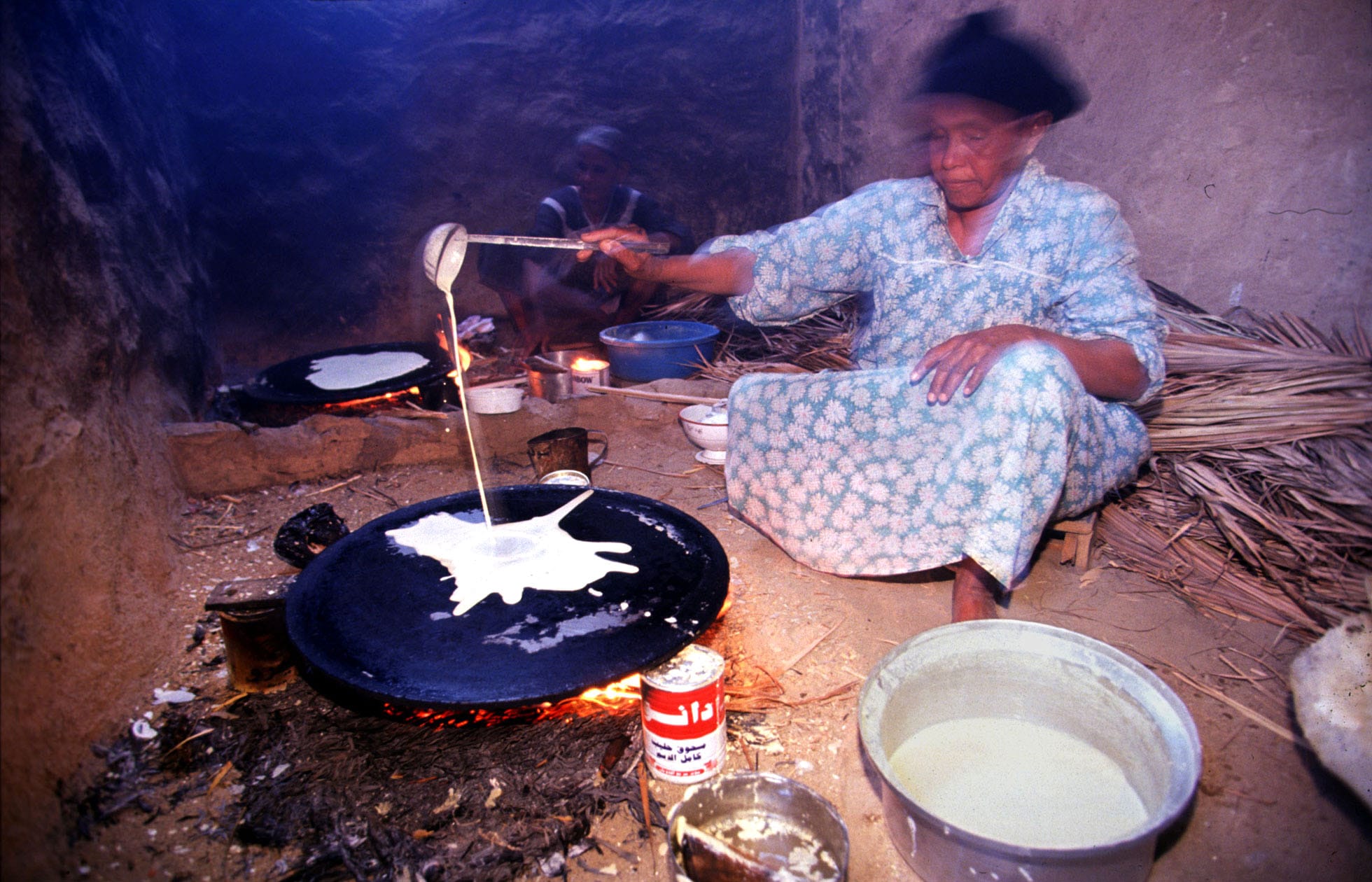
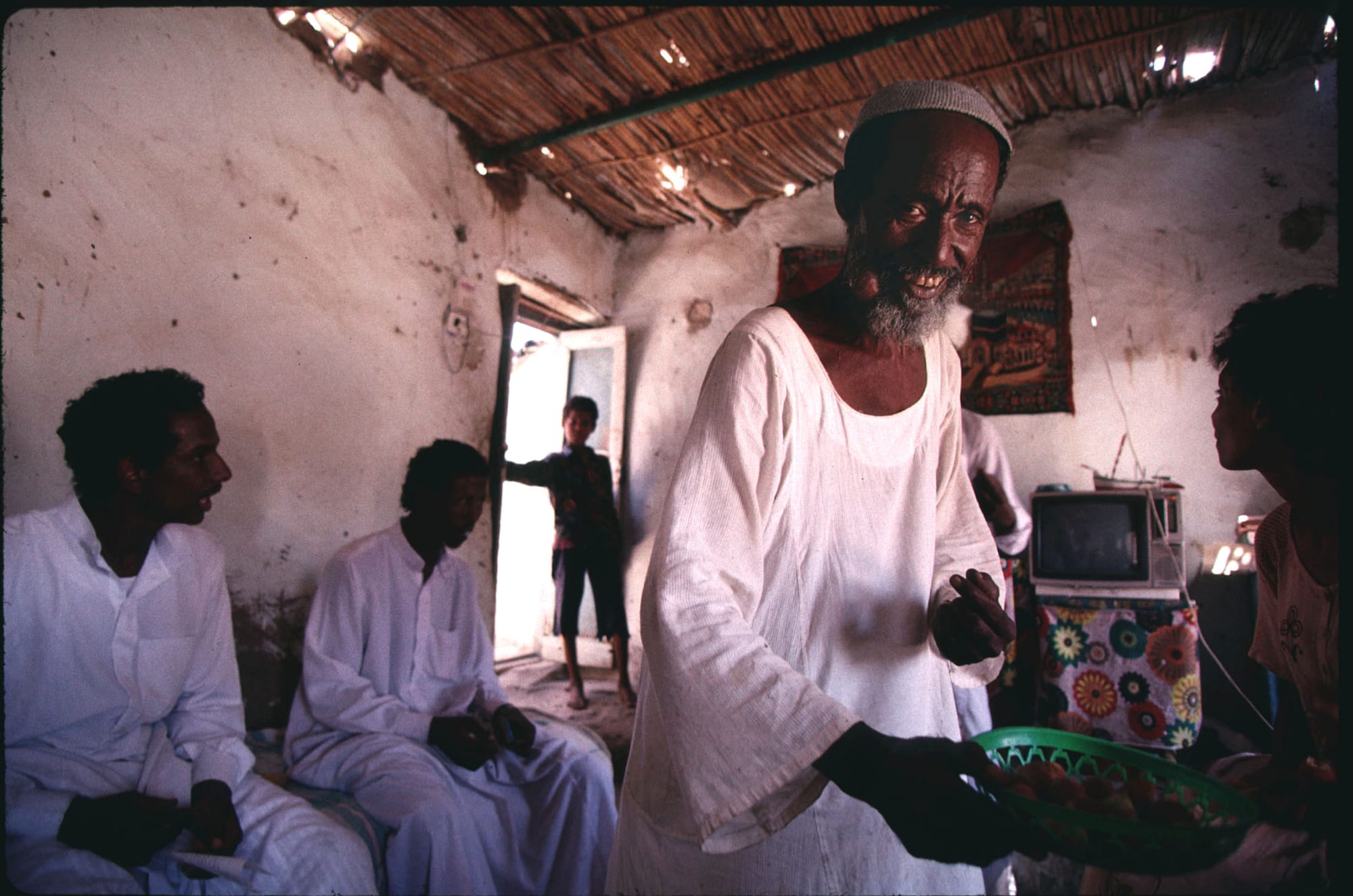
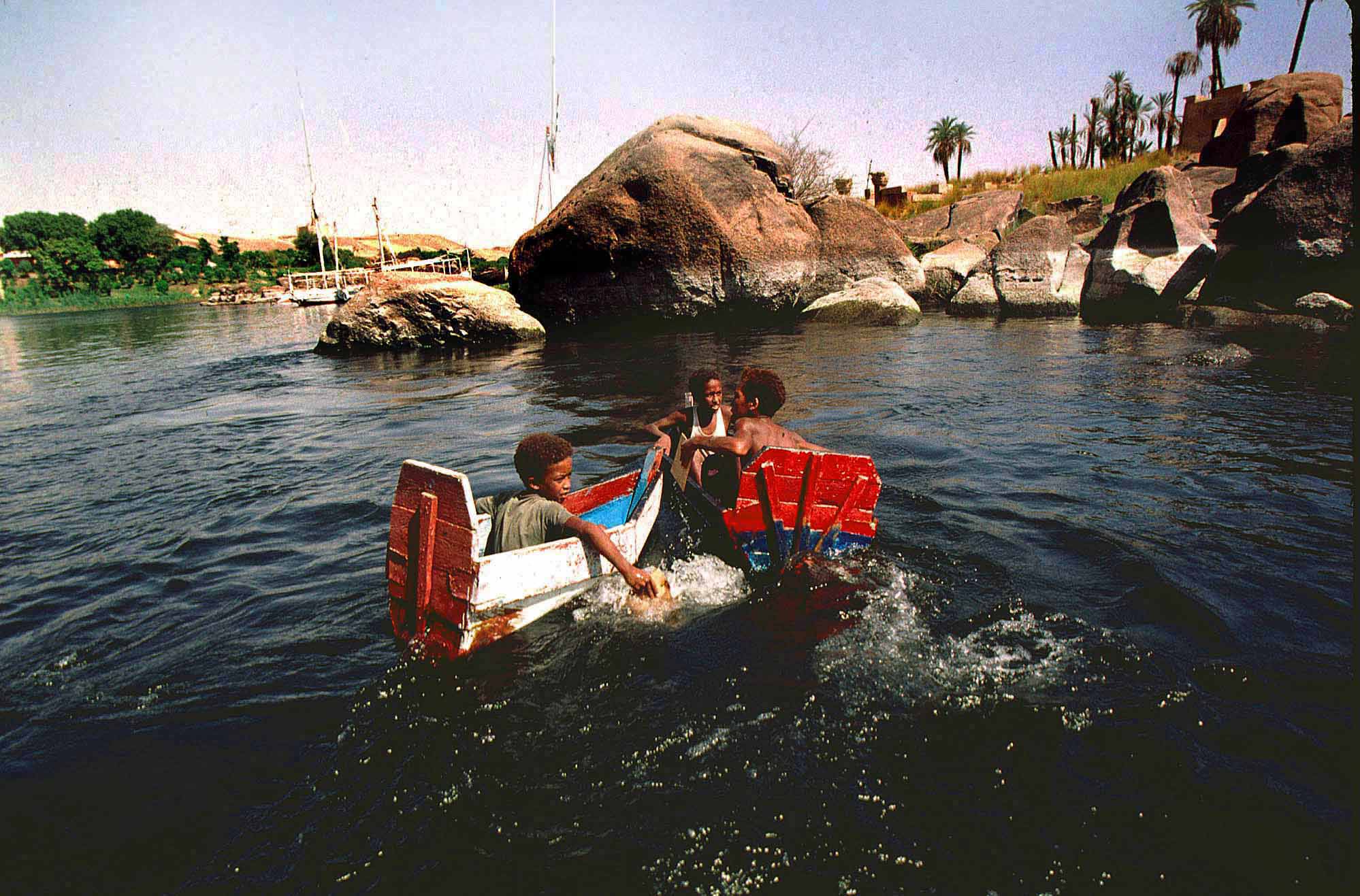
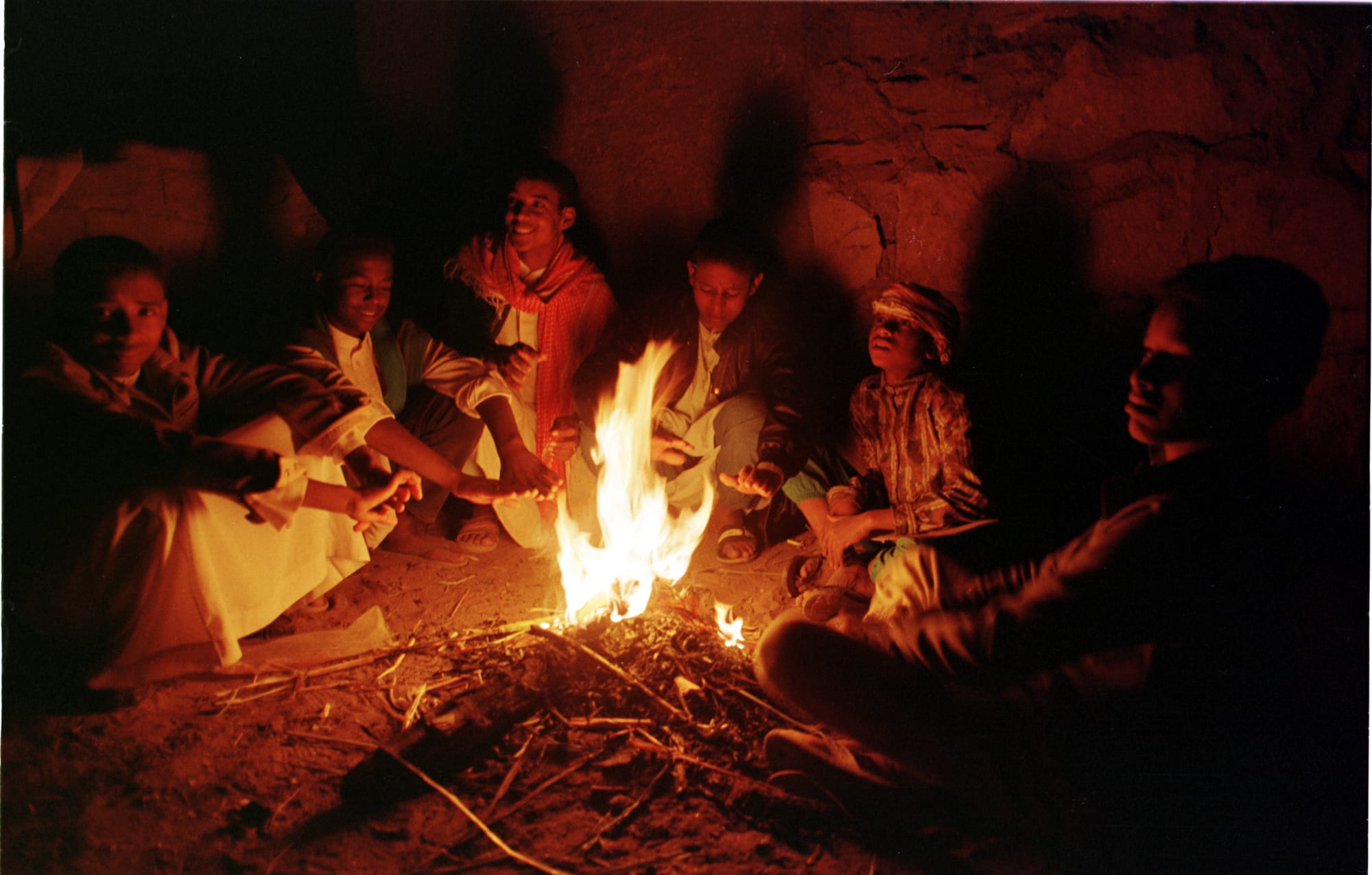
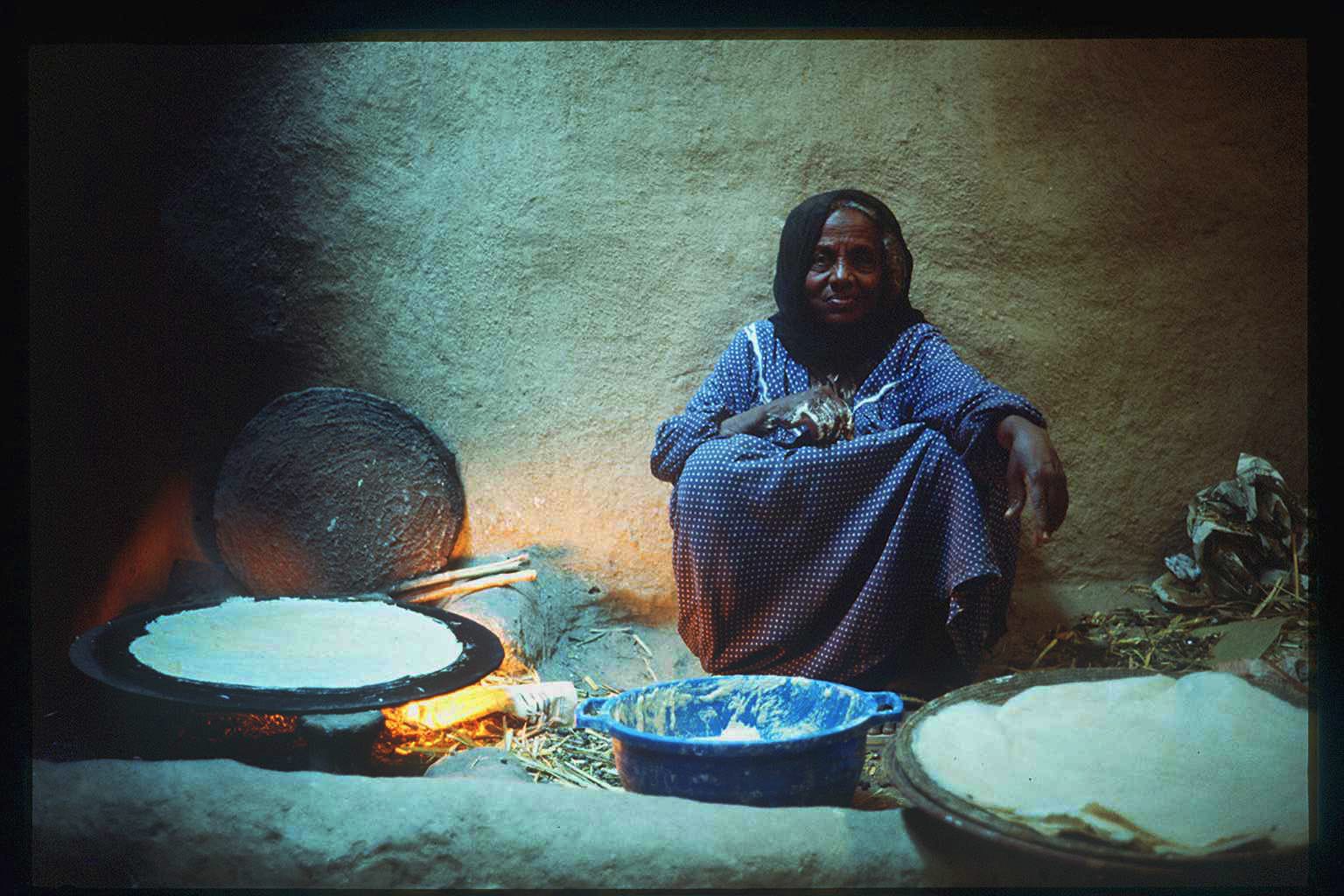
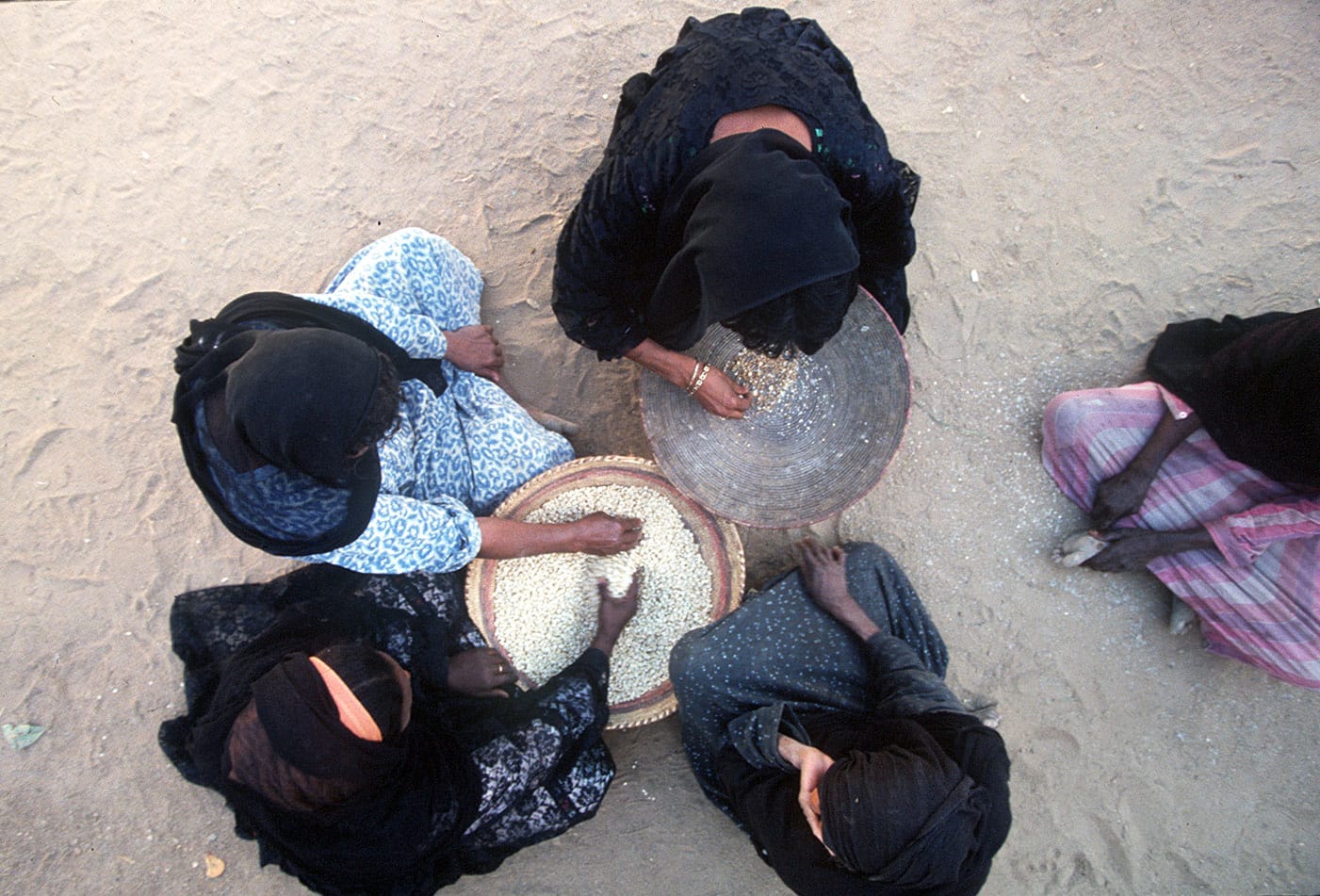
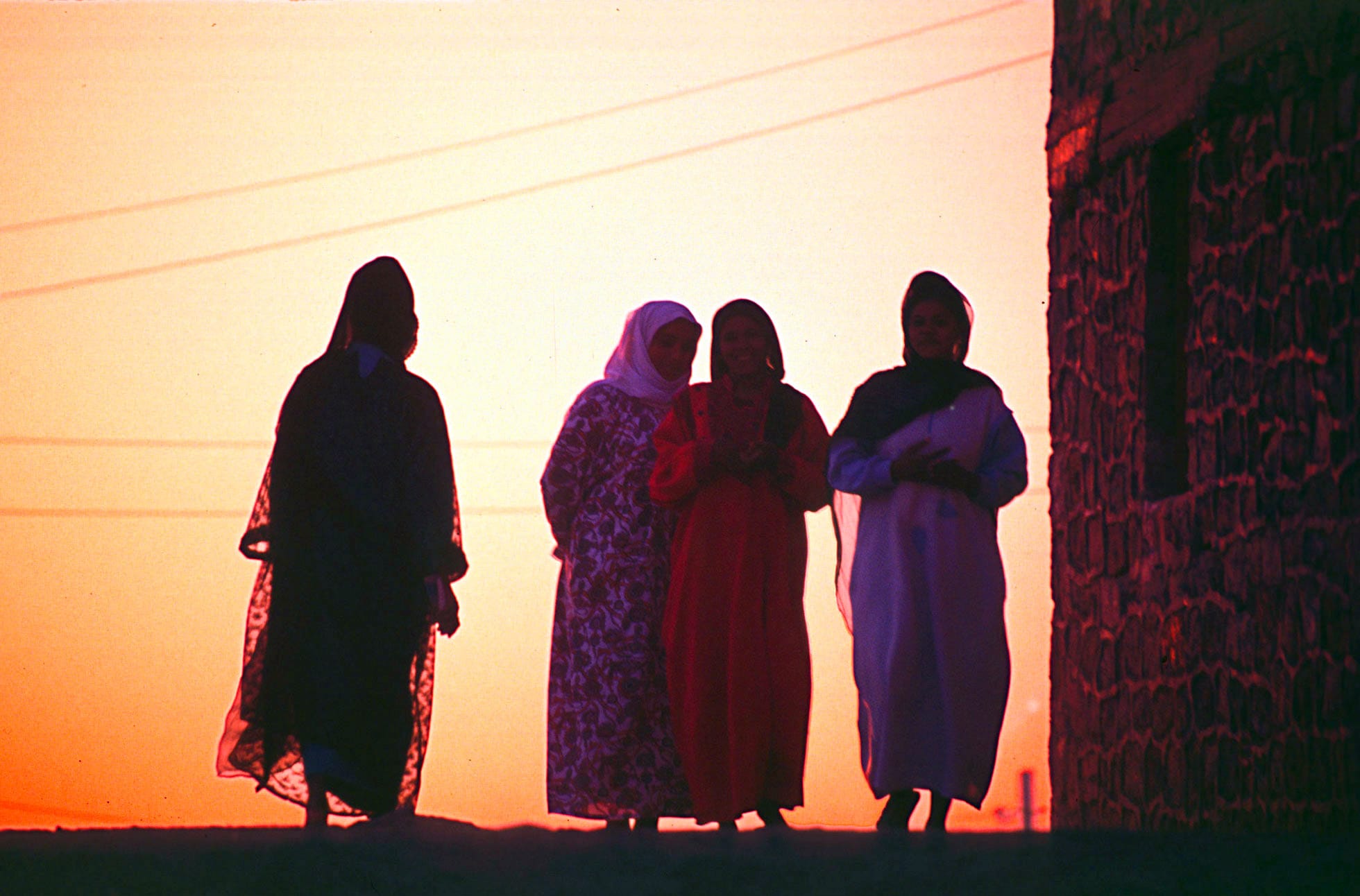
Cooking kabida | gathering for afternoon tea | boys, boats and campfires | sorting grains | sunset stroll
City Life and food | Cairo
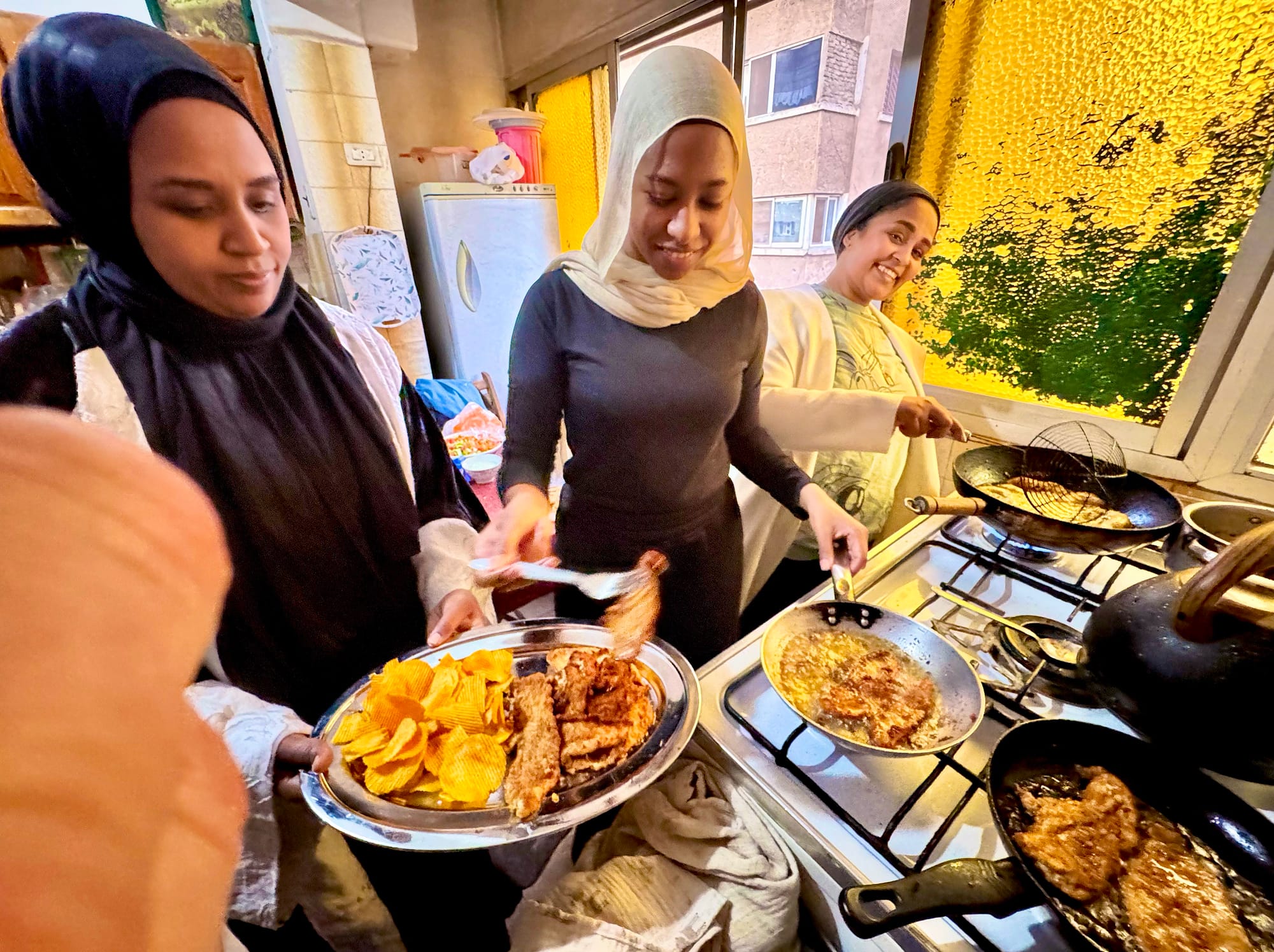
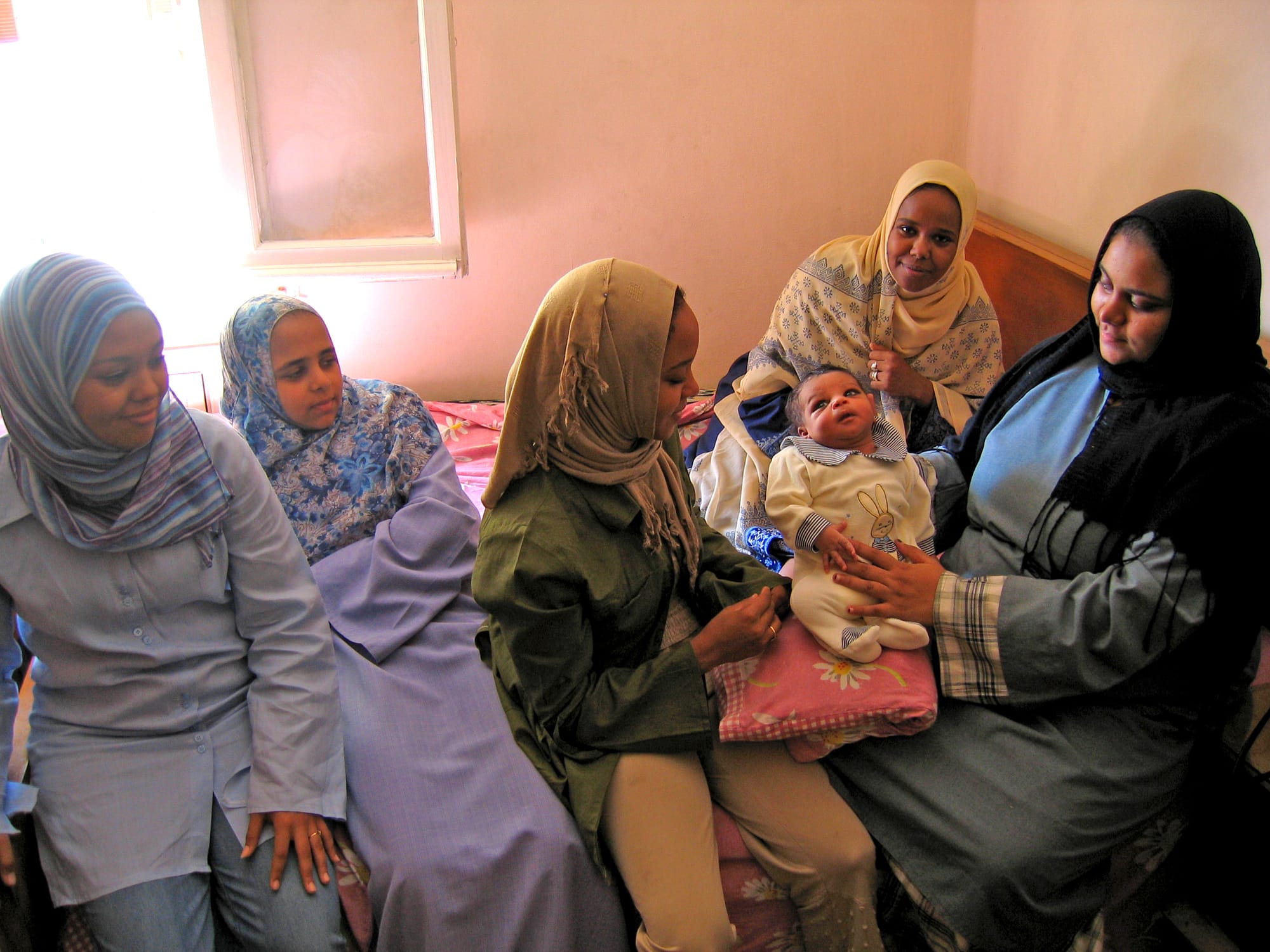
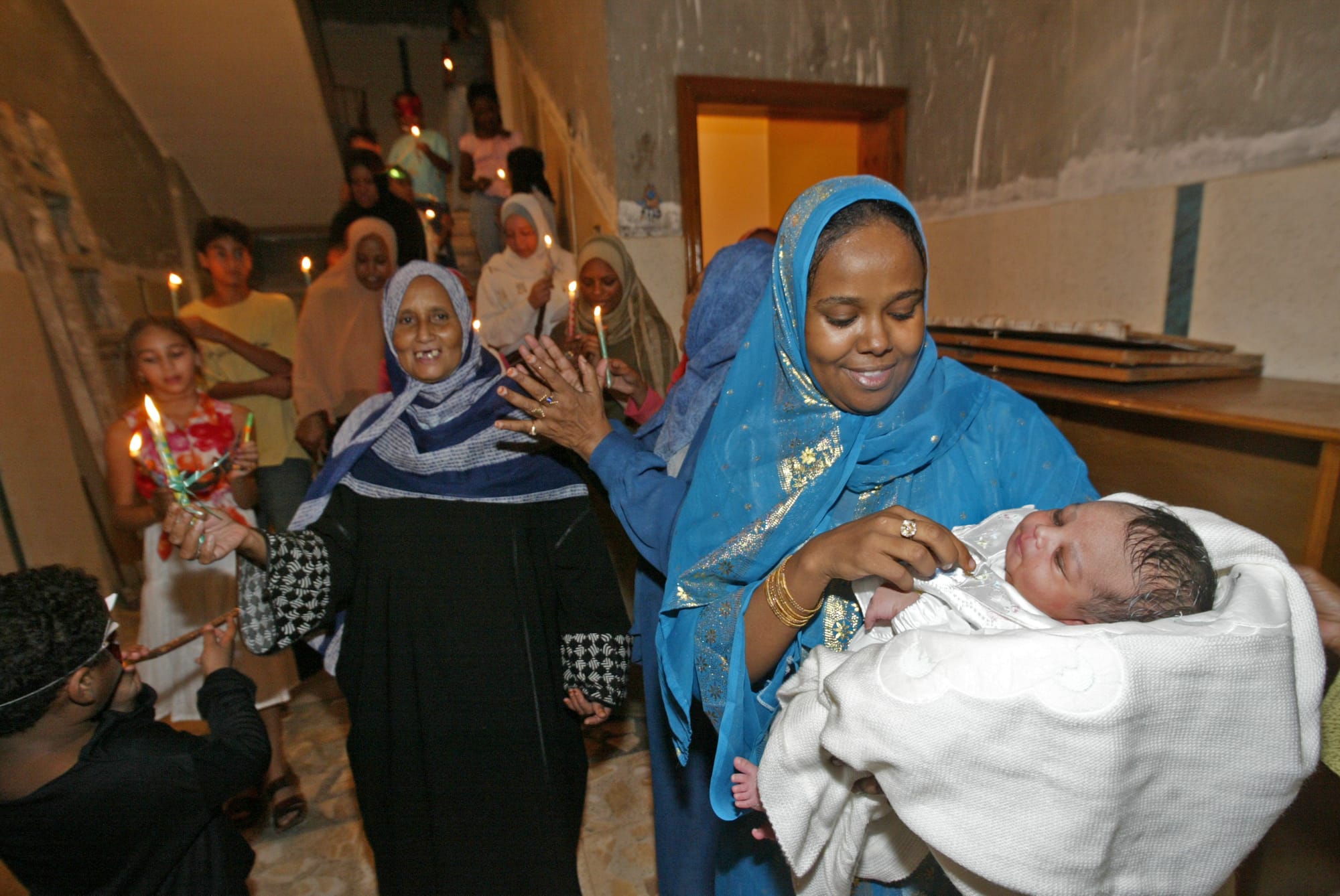
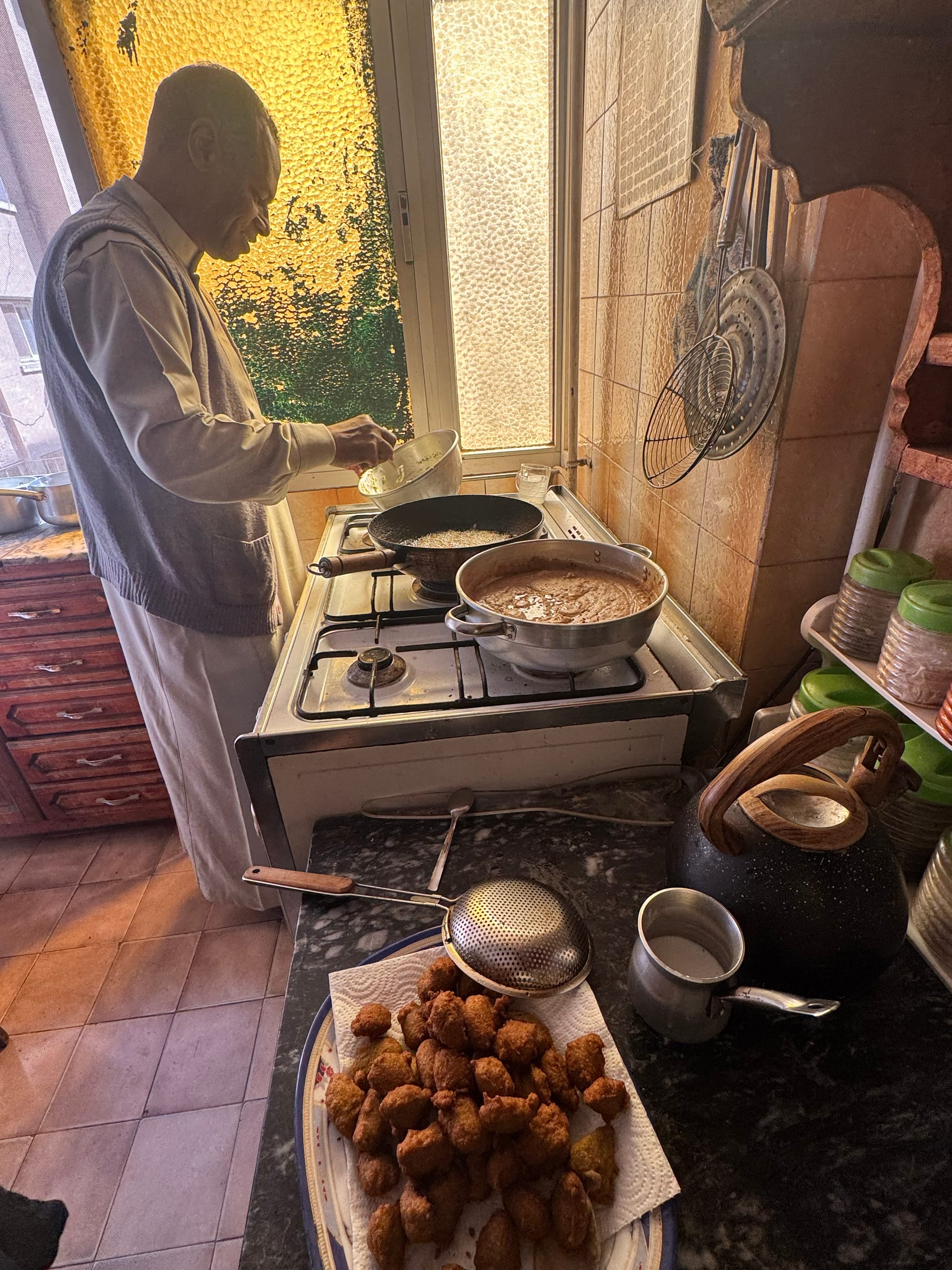
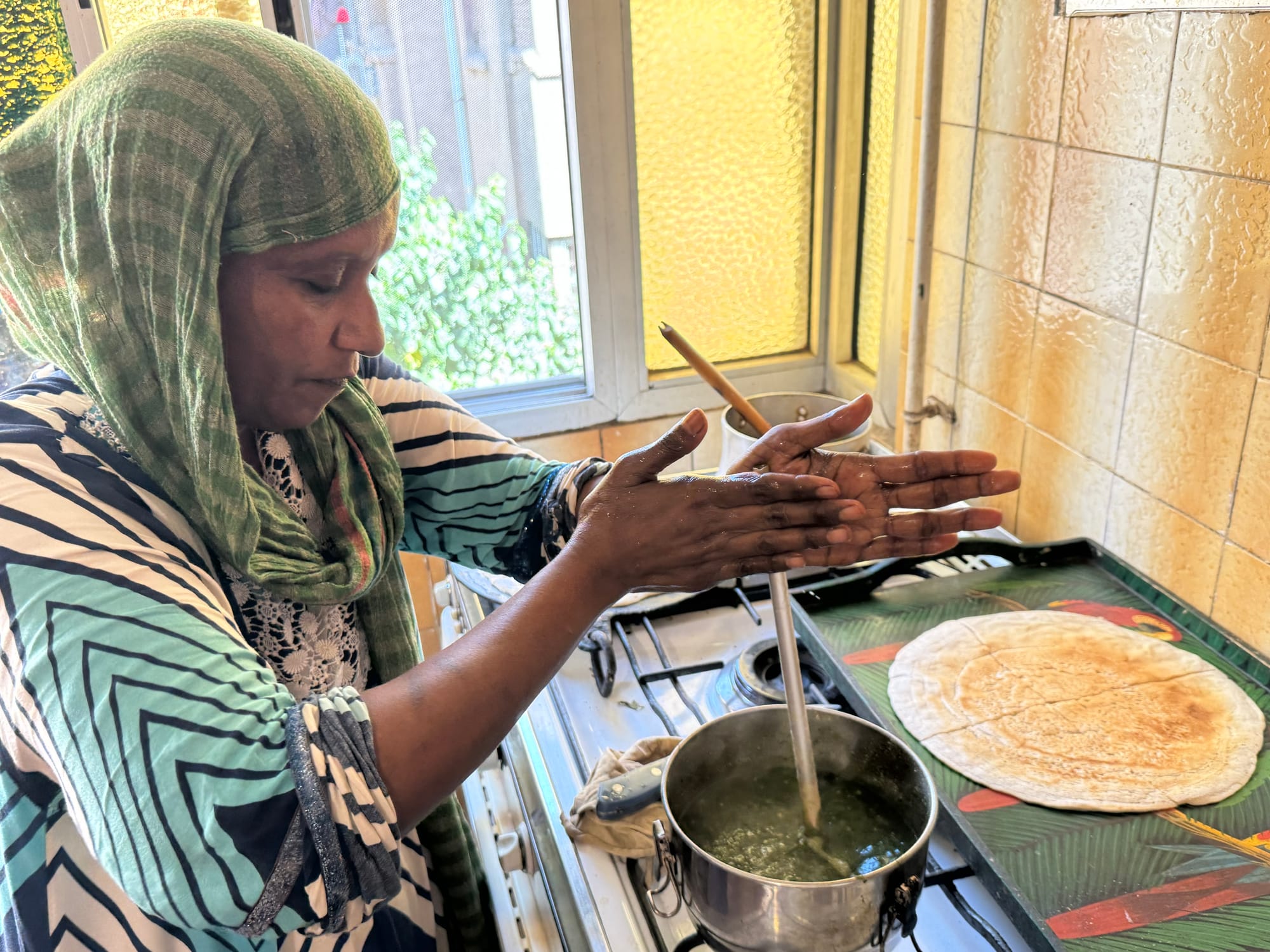
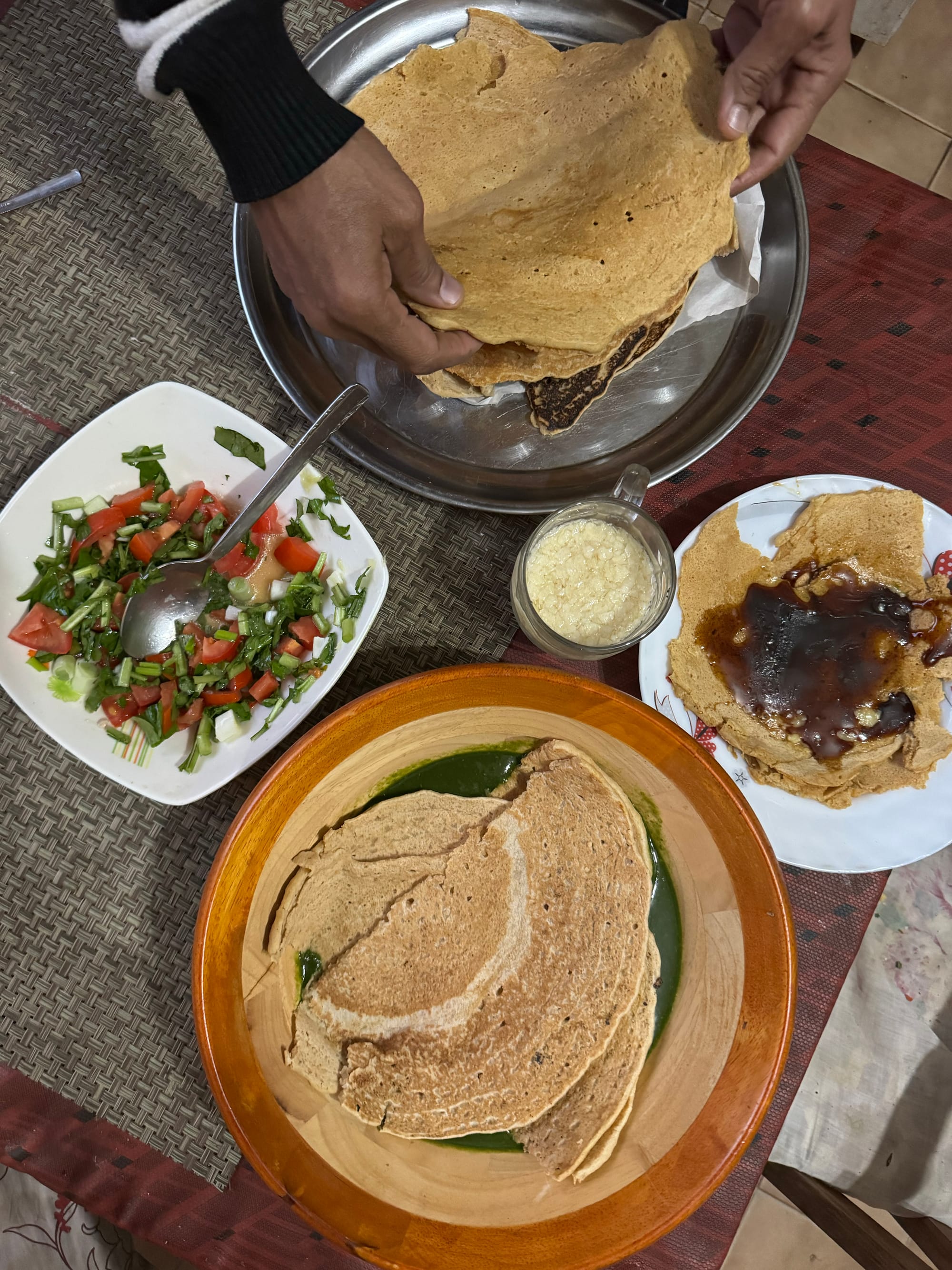
Preparing Friday lunch at her mother's Mit Oba home | the nieces prepare lunch, Daoud makes breakfast, Hajar makes "itter" |new born with family and procession | Cairo
Nubian wedding celebrations |
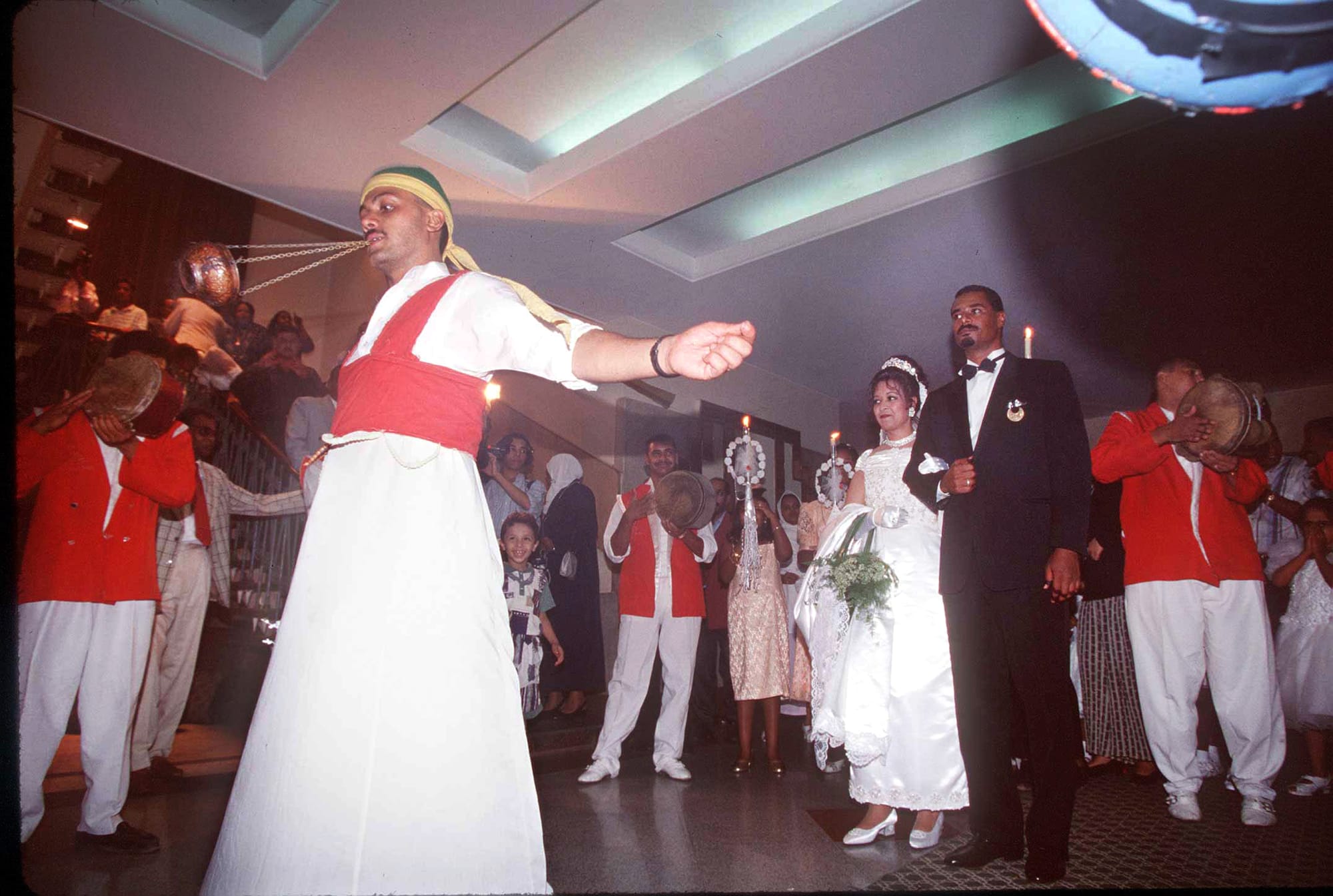
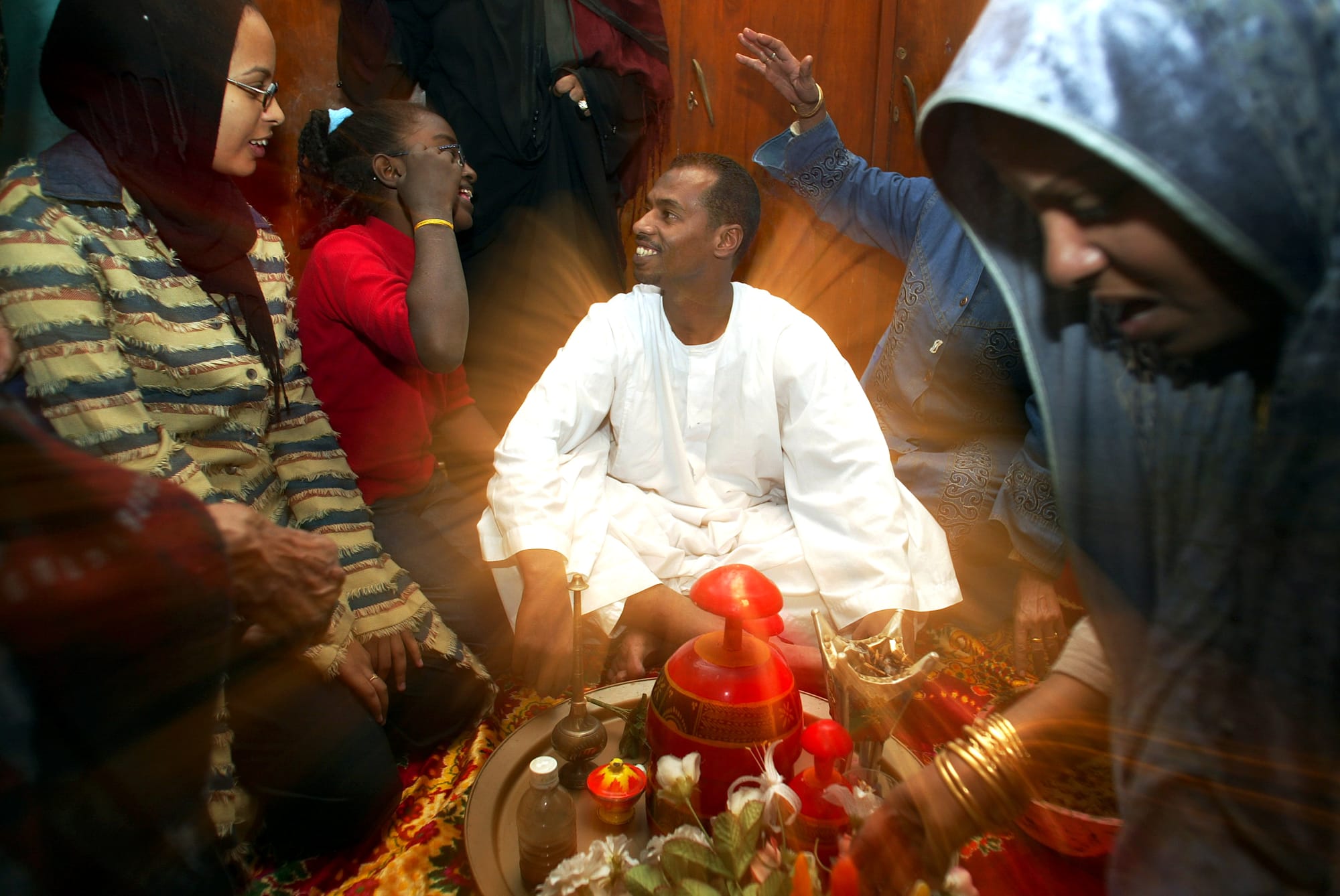
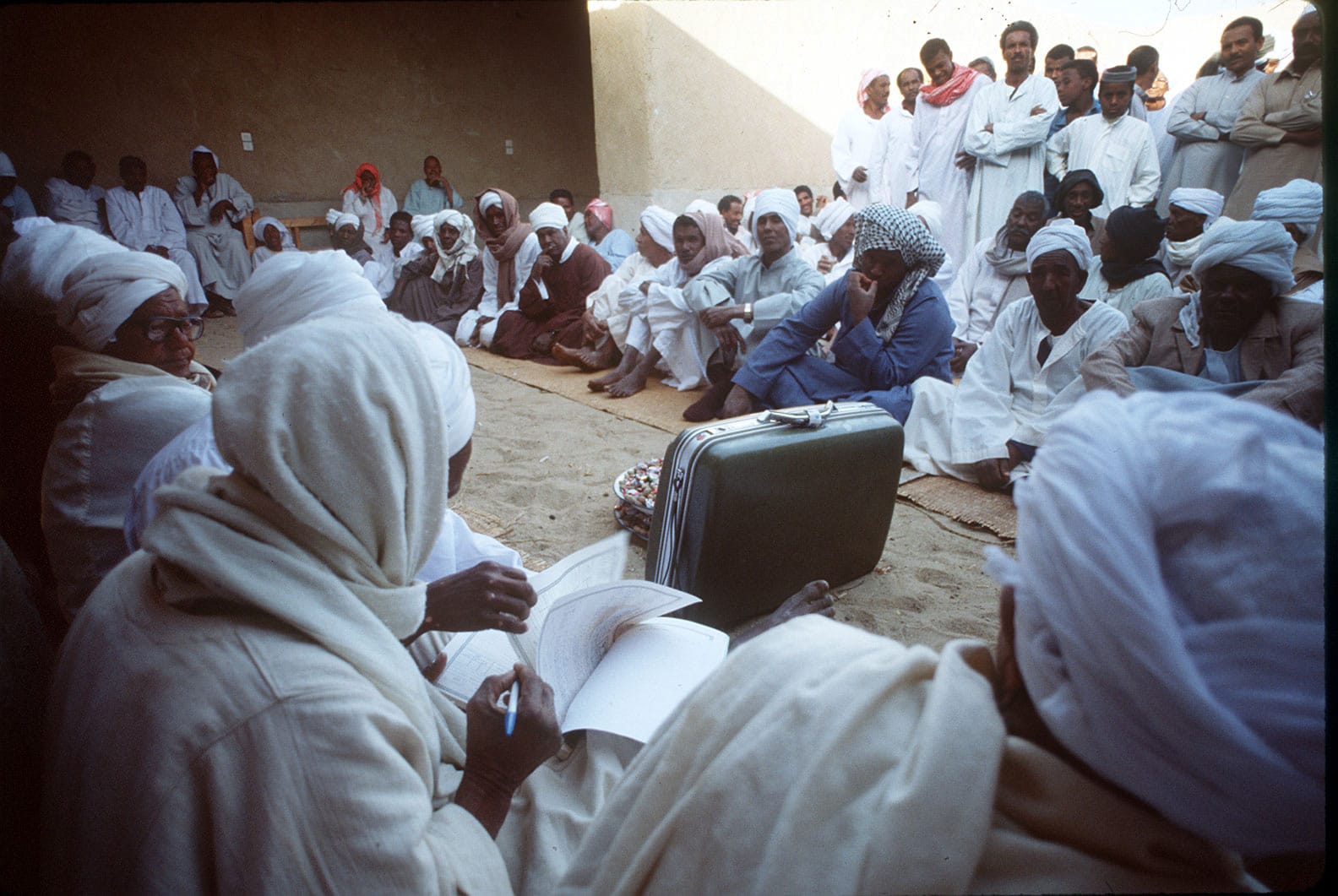
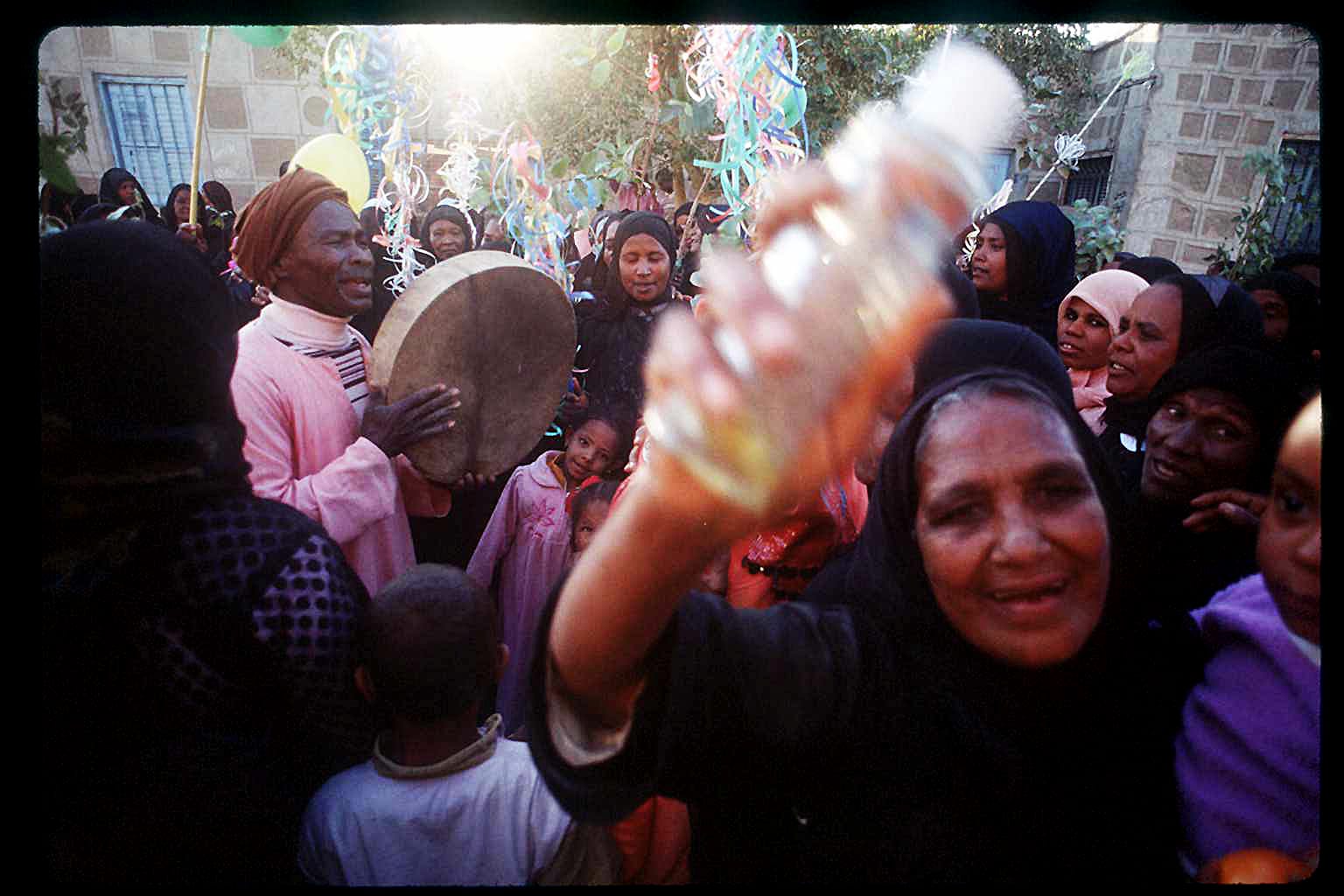
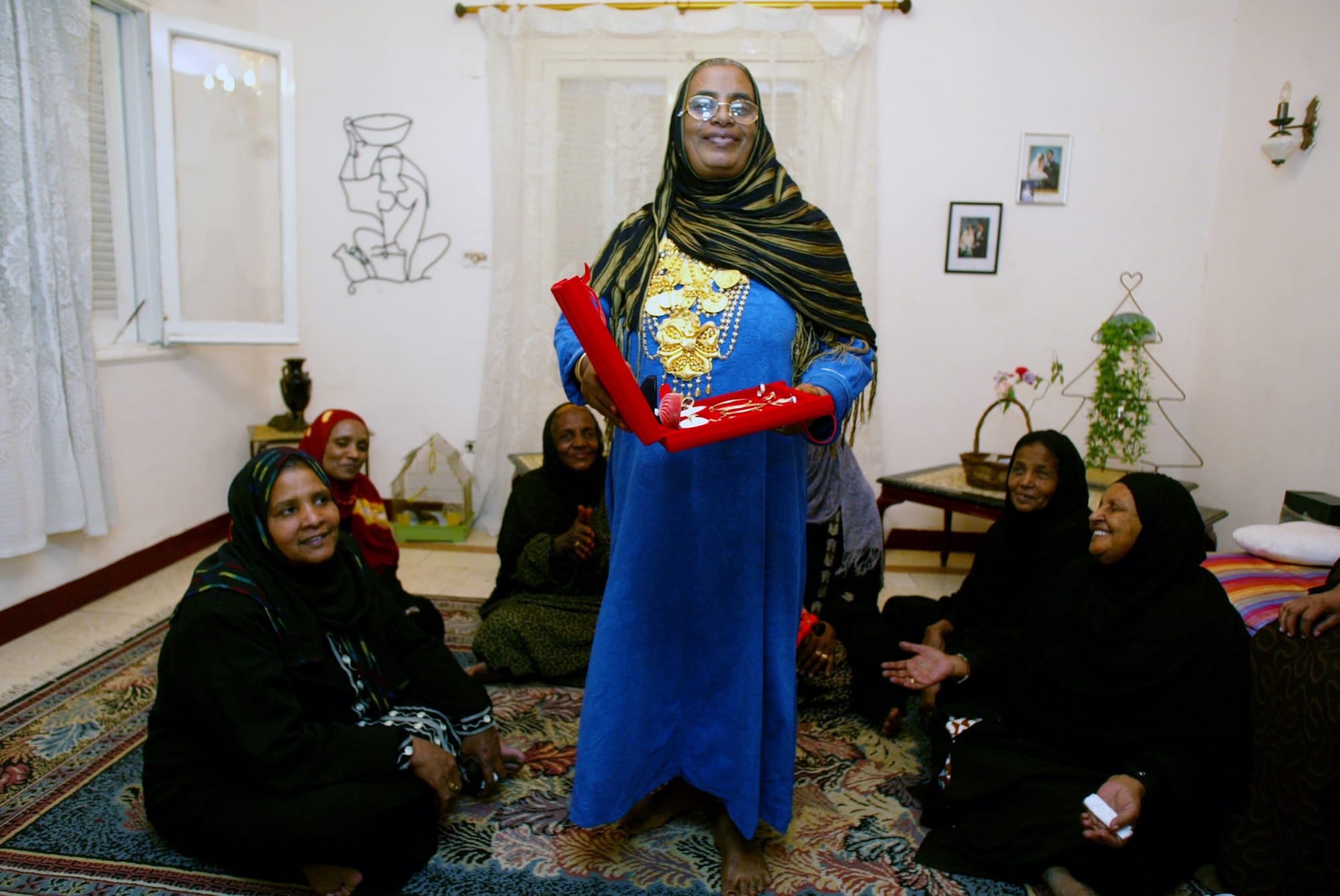
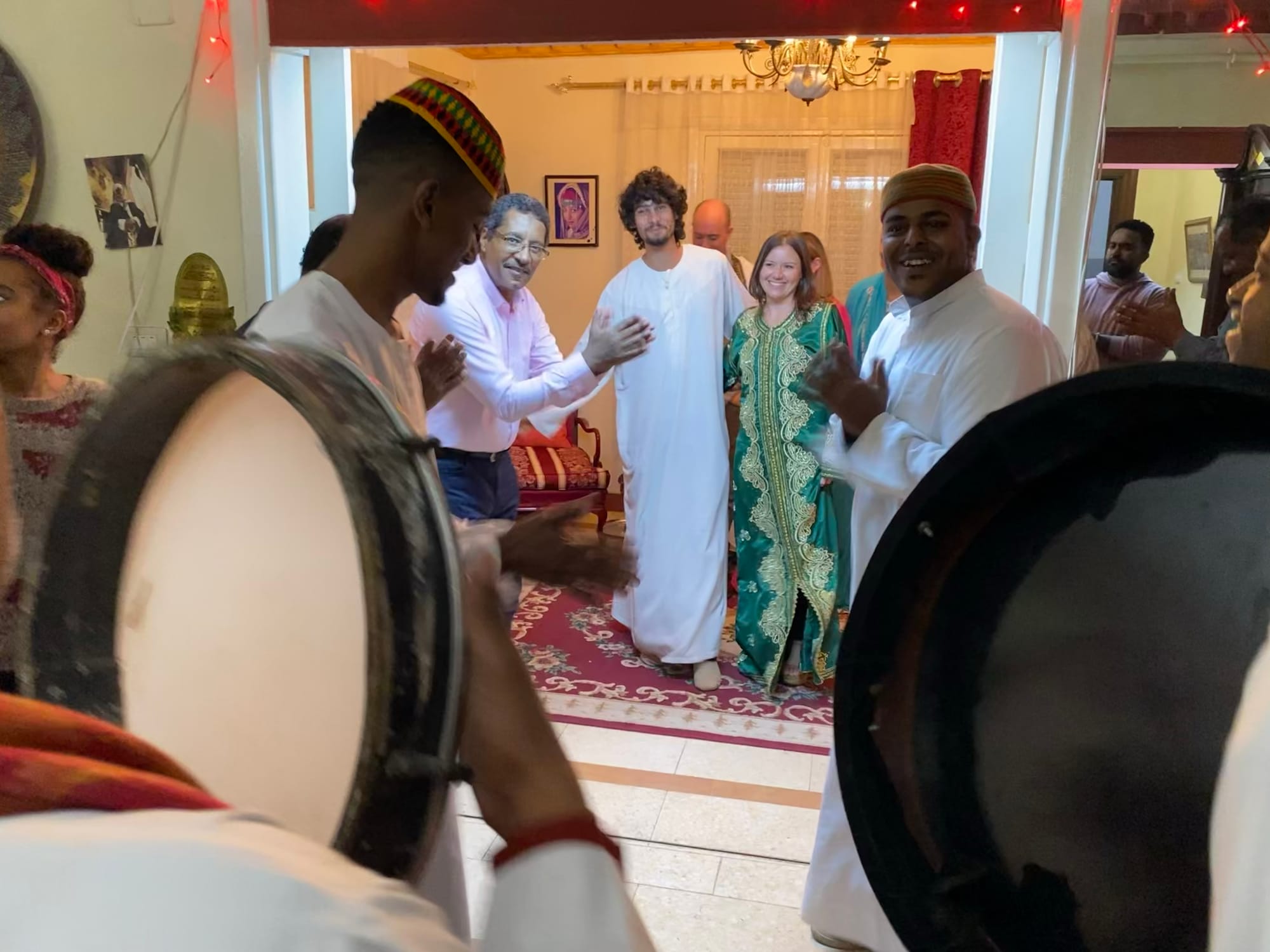
Hassan, Mona's brother at Cairo hotel | Daoud, her brother, at henna | sister Mounira with gold | son Shams and his South African wife, Sophia celebrate Nubian style
The Nile |
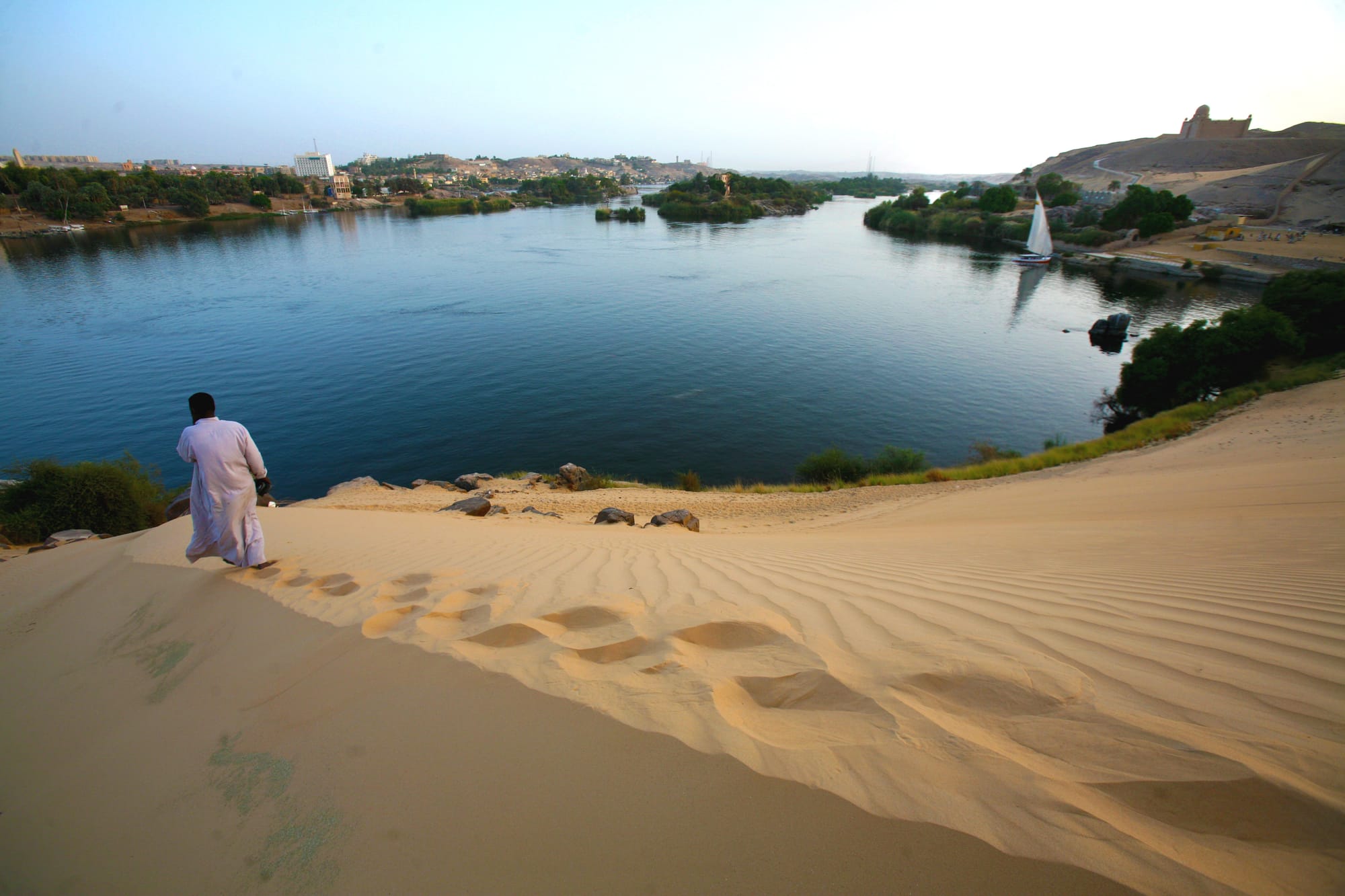
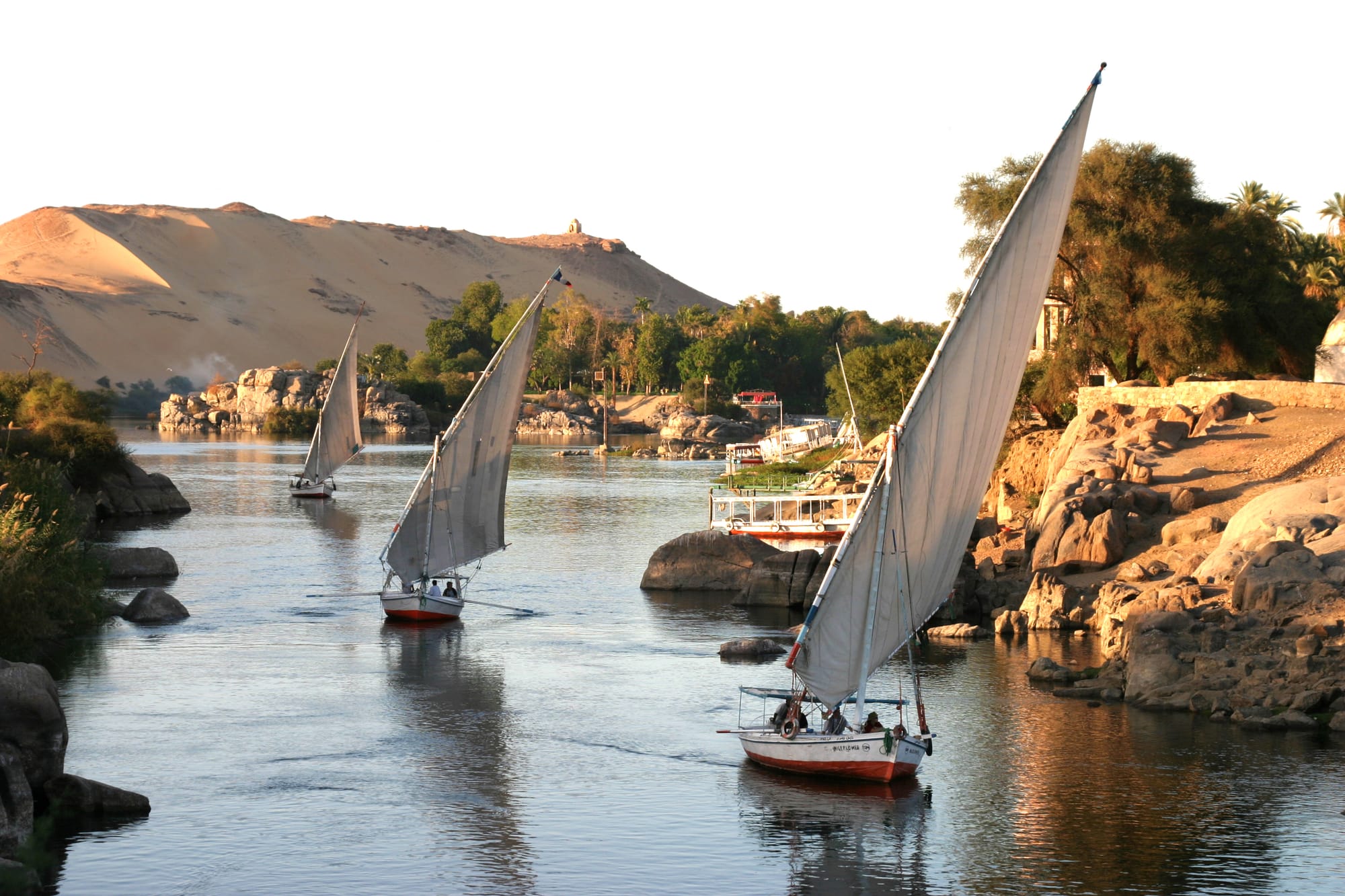
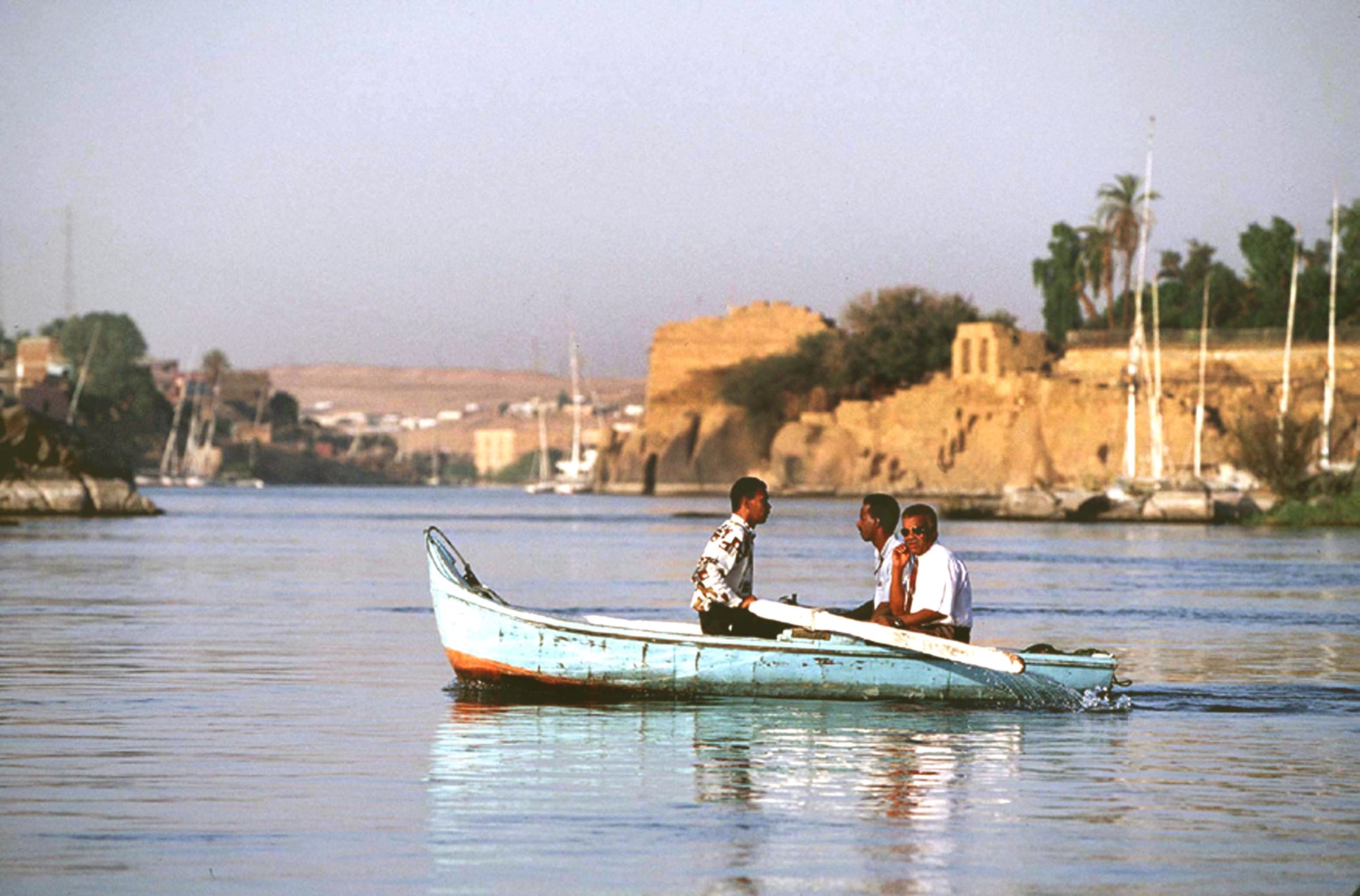
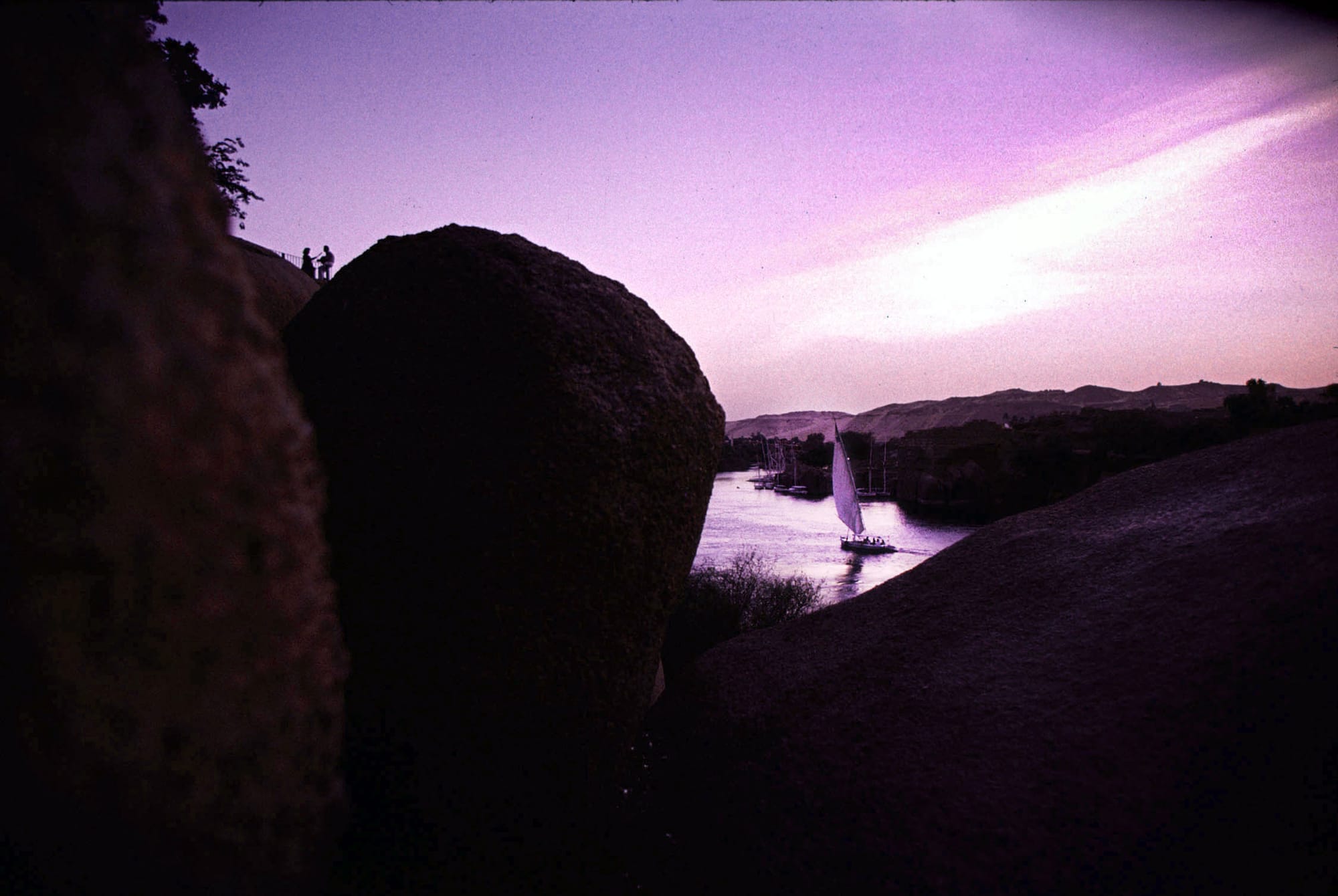
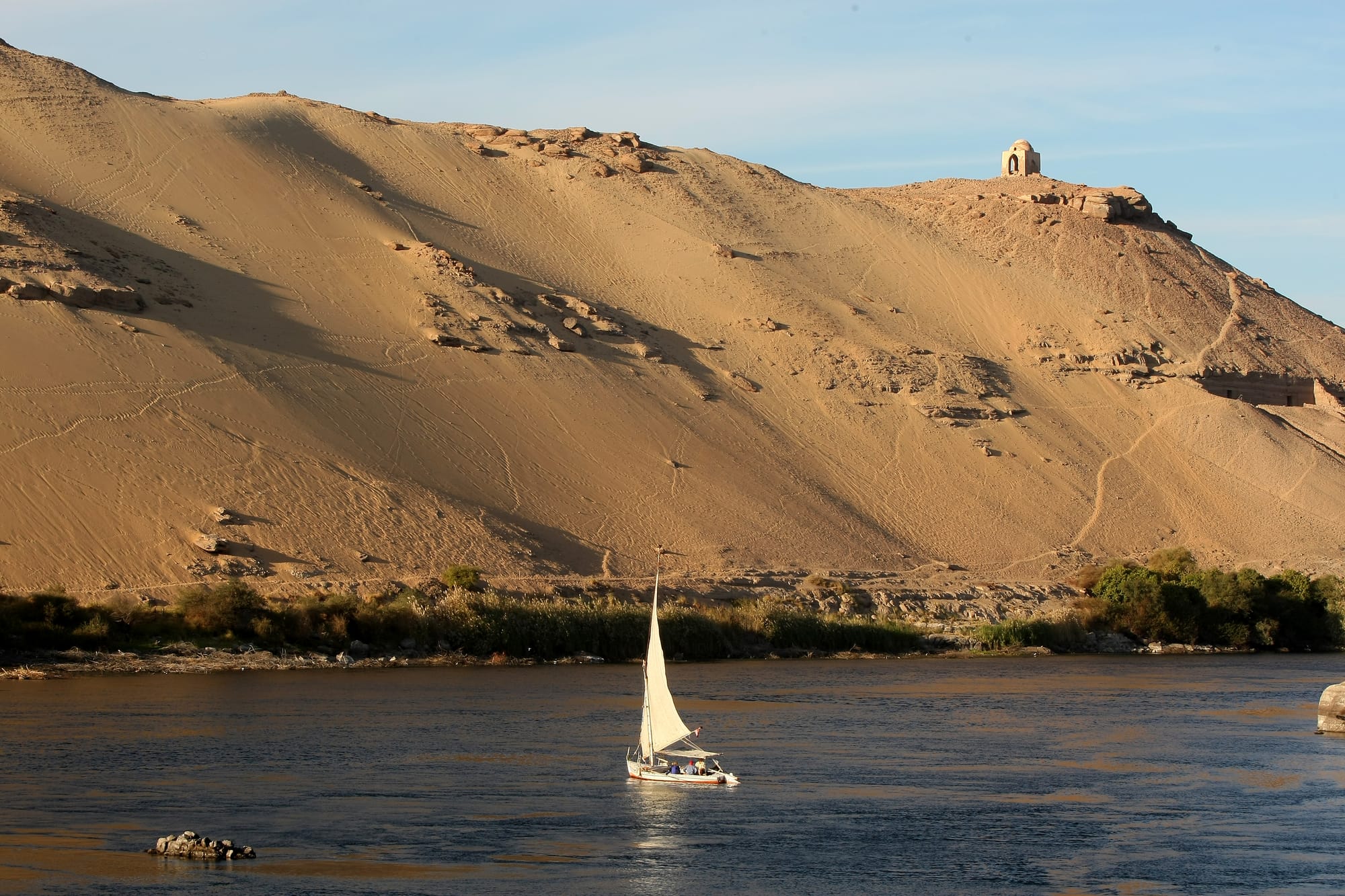
River scenes | Aswan
The Monuments |
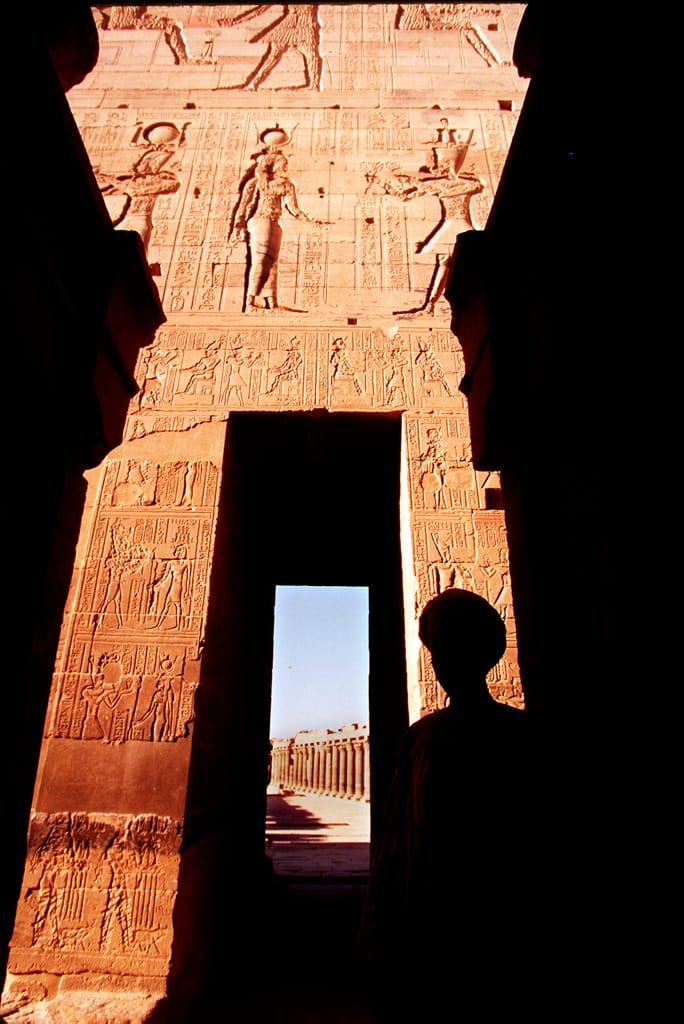
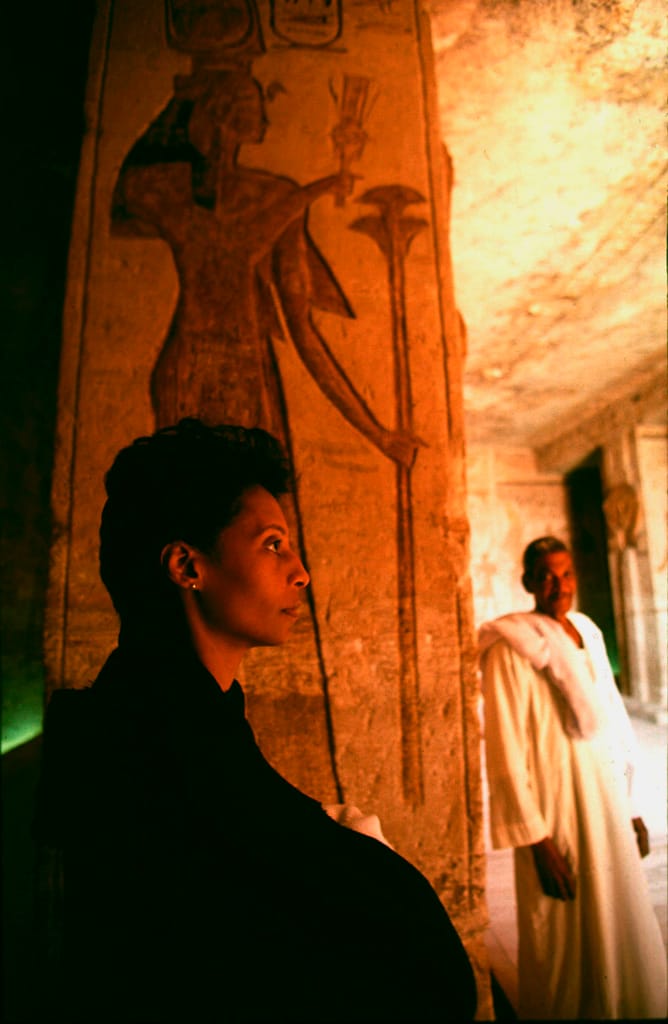
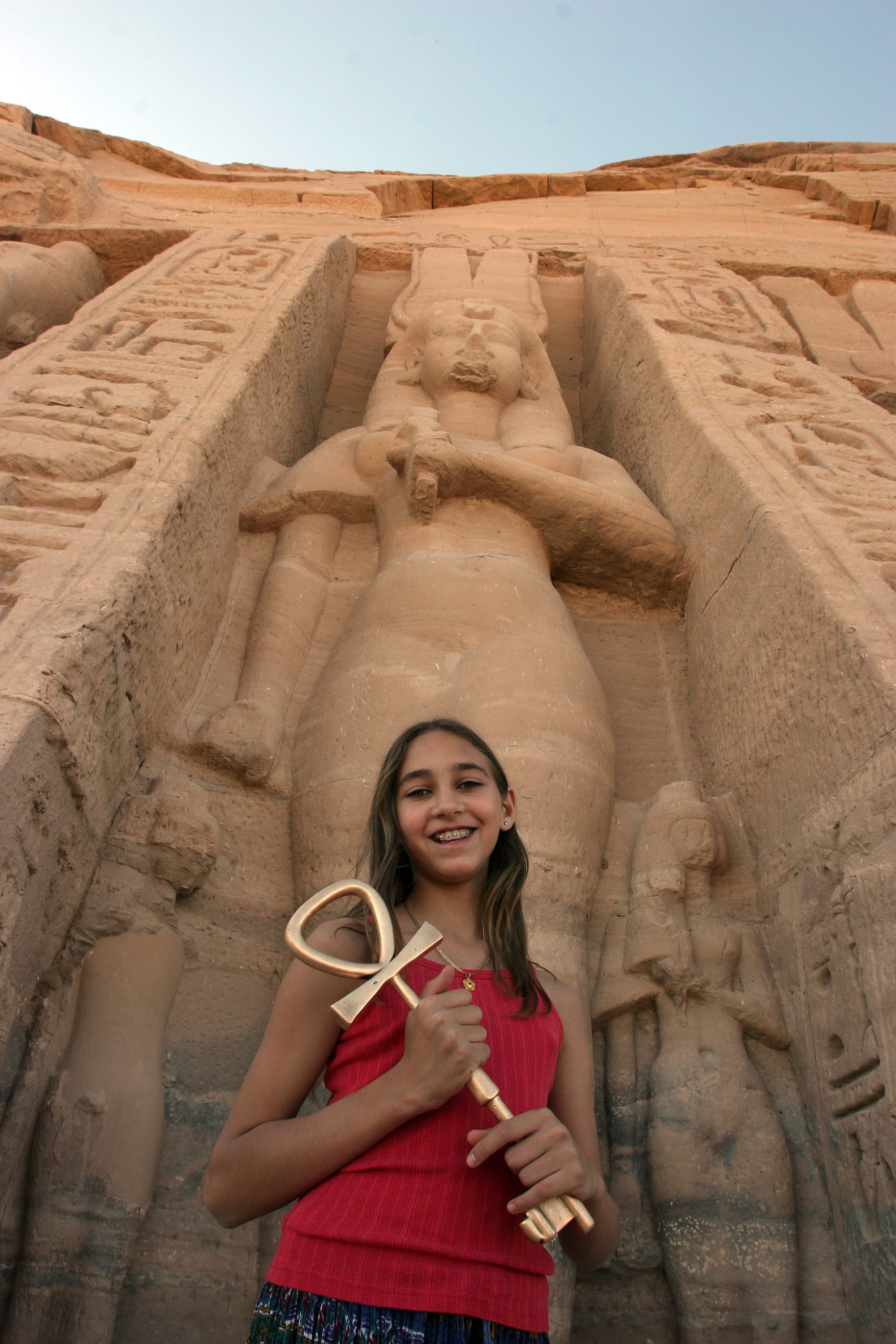
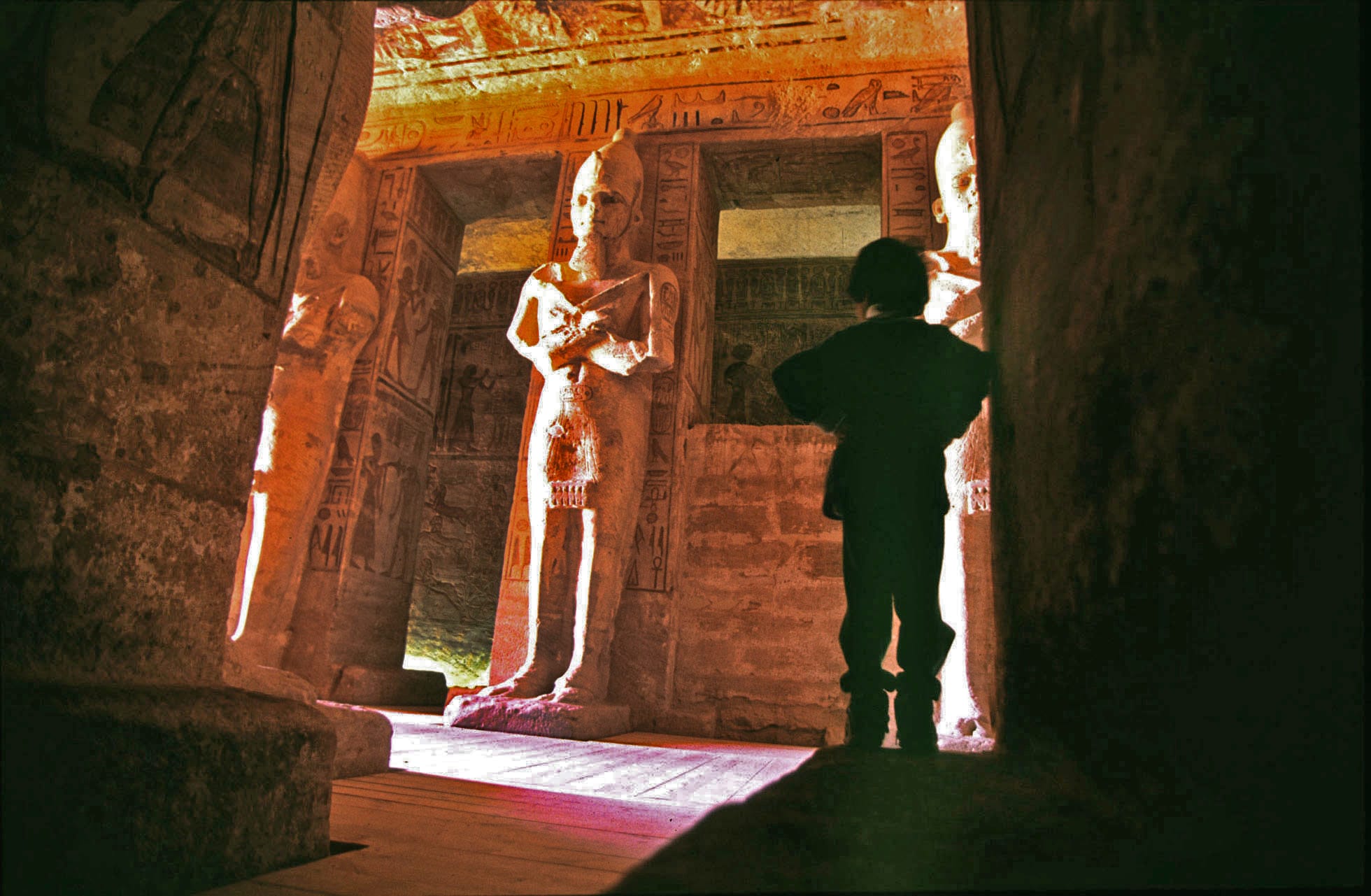
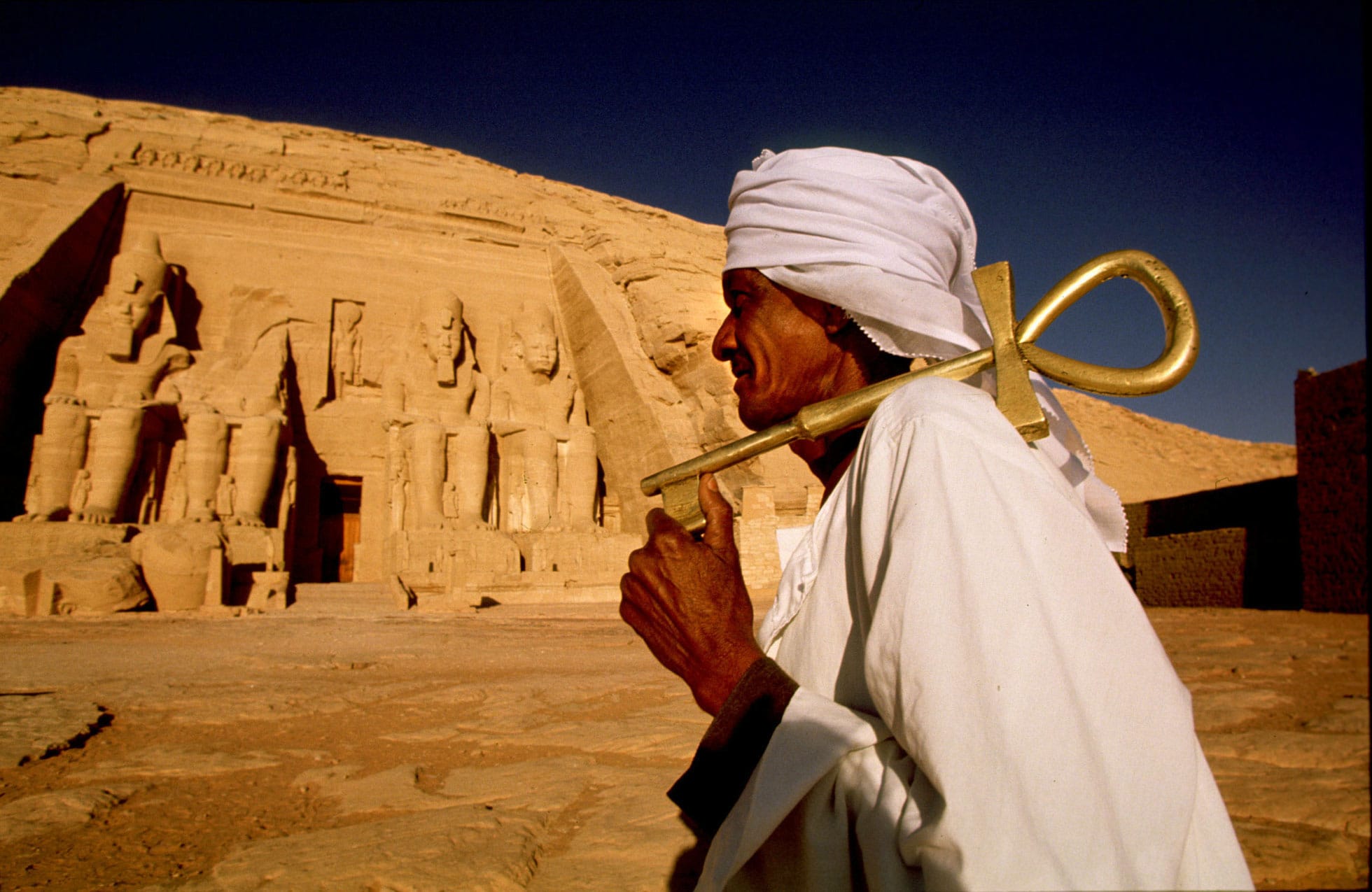
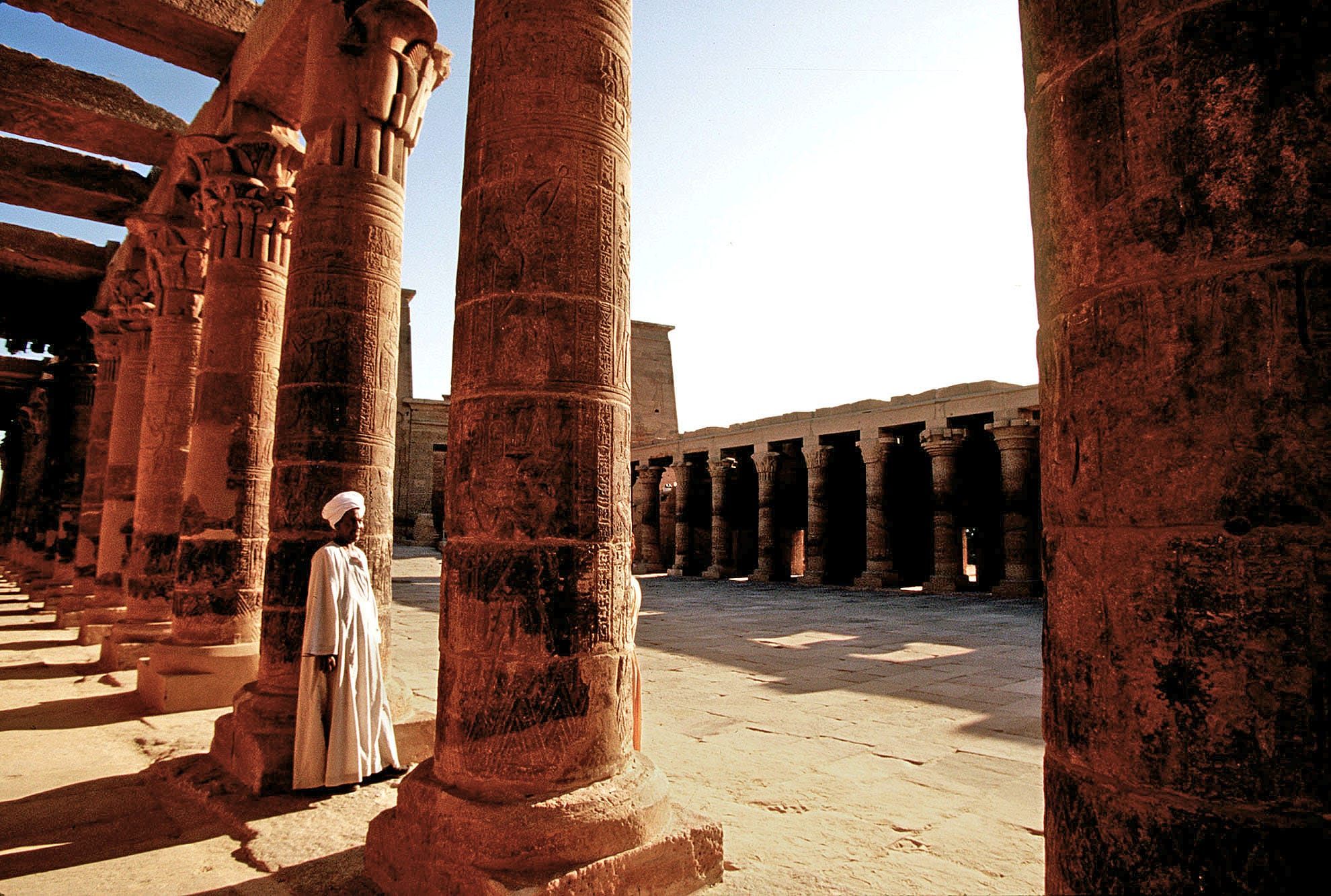
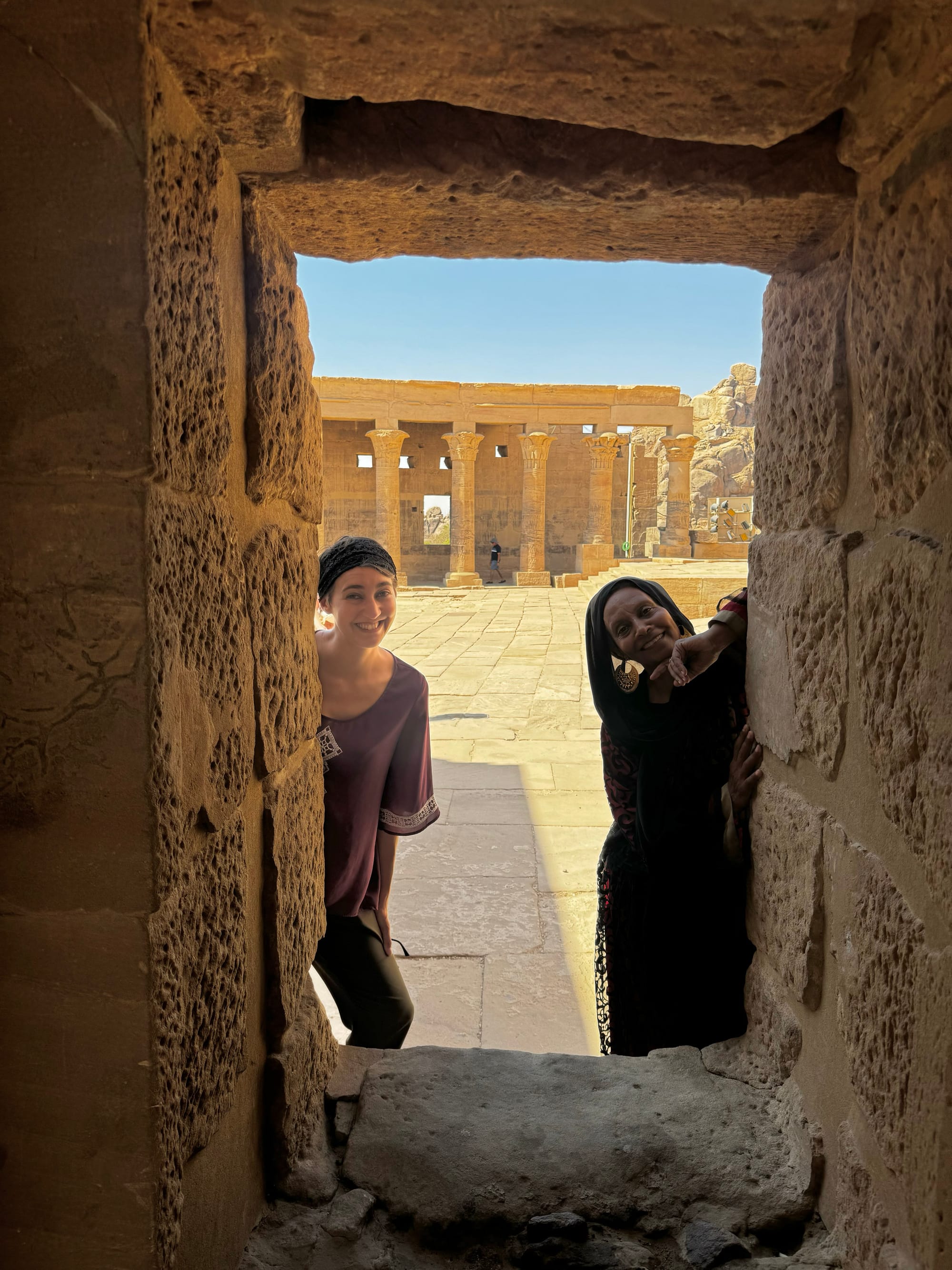
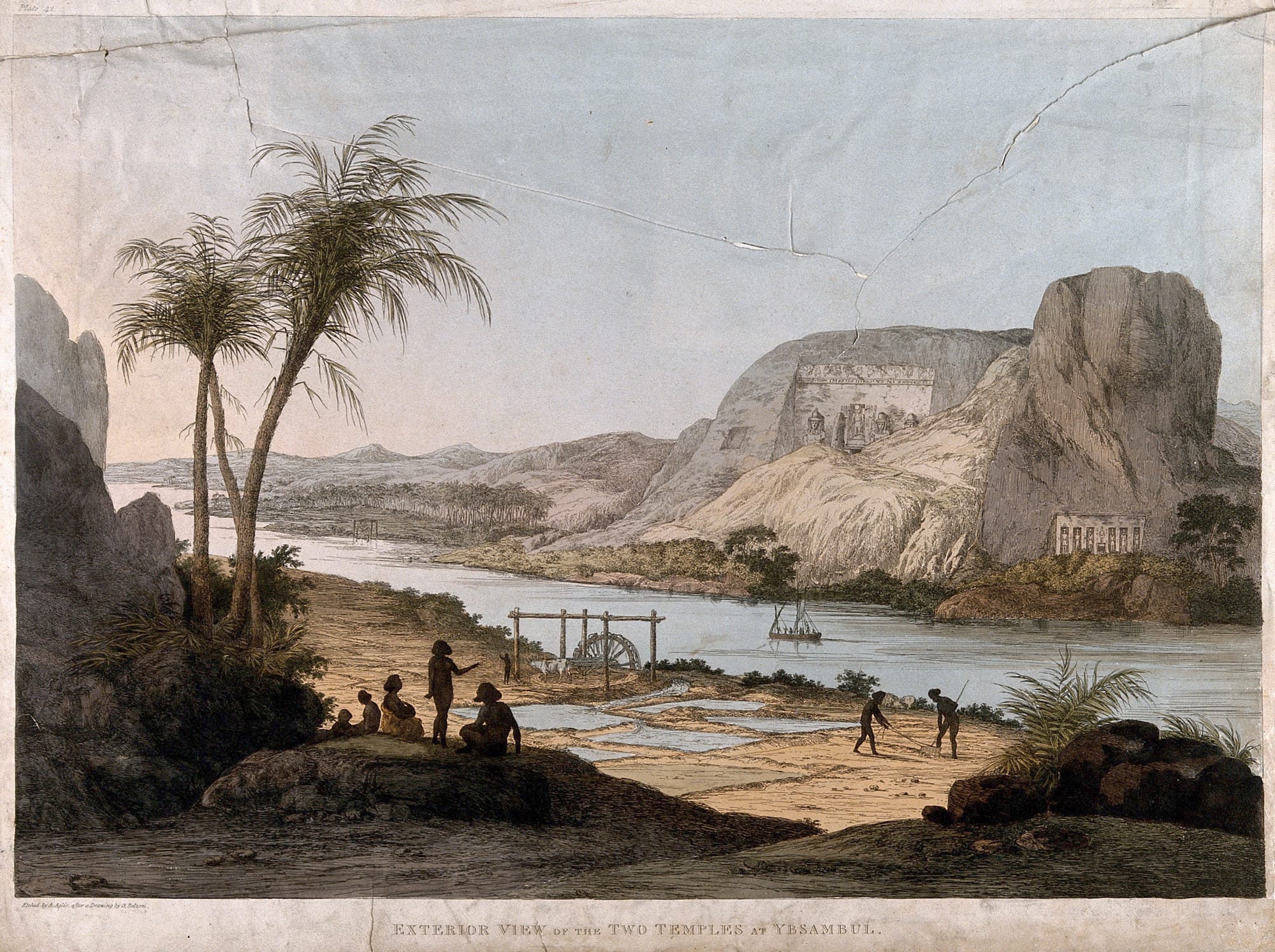
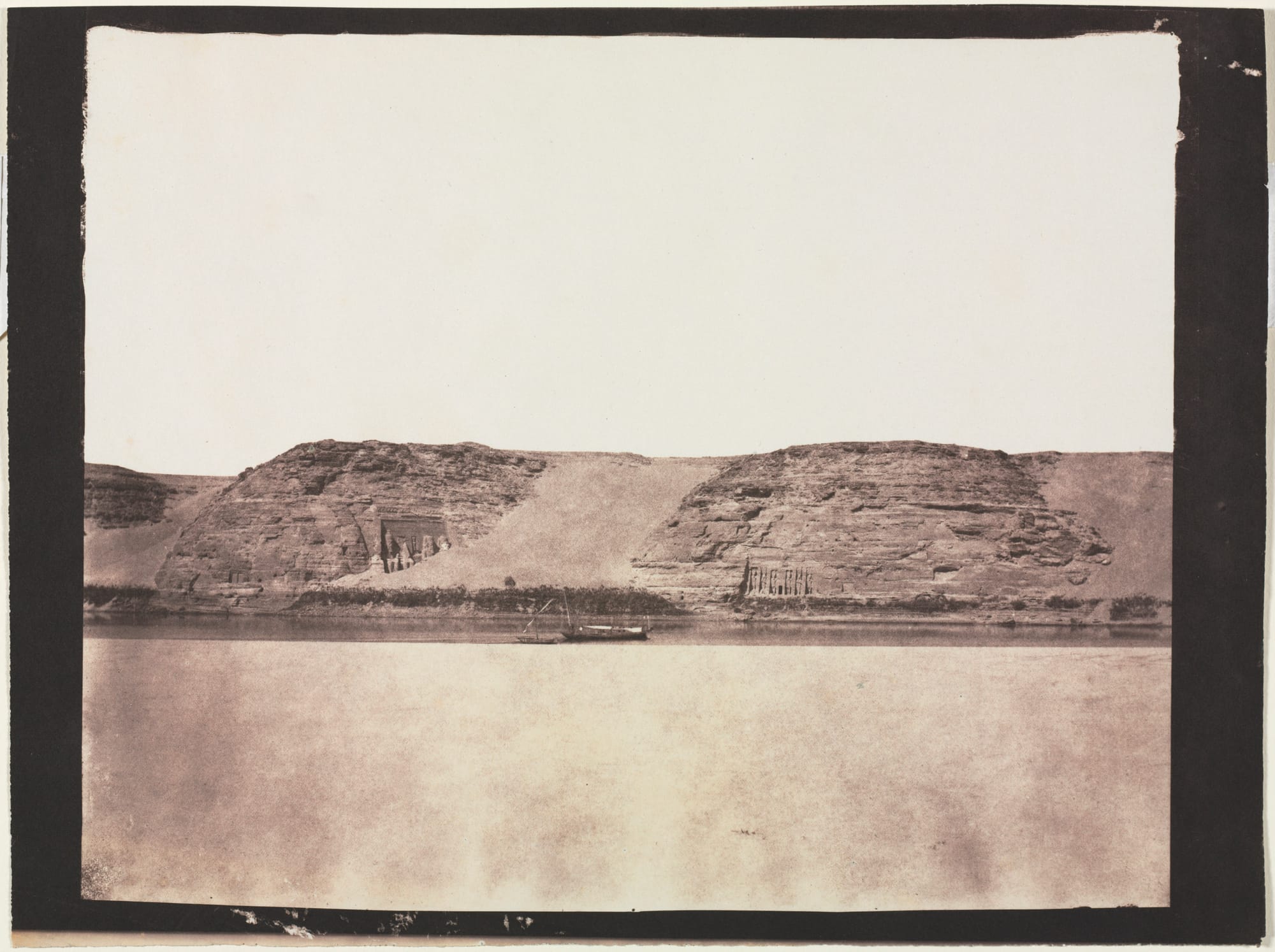
Philae and Abu Simbel Temples | Nubia
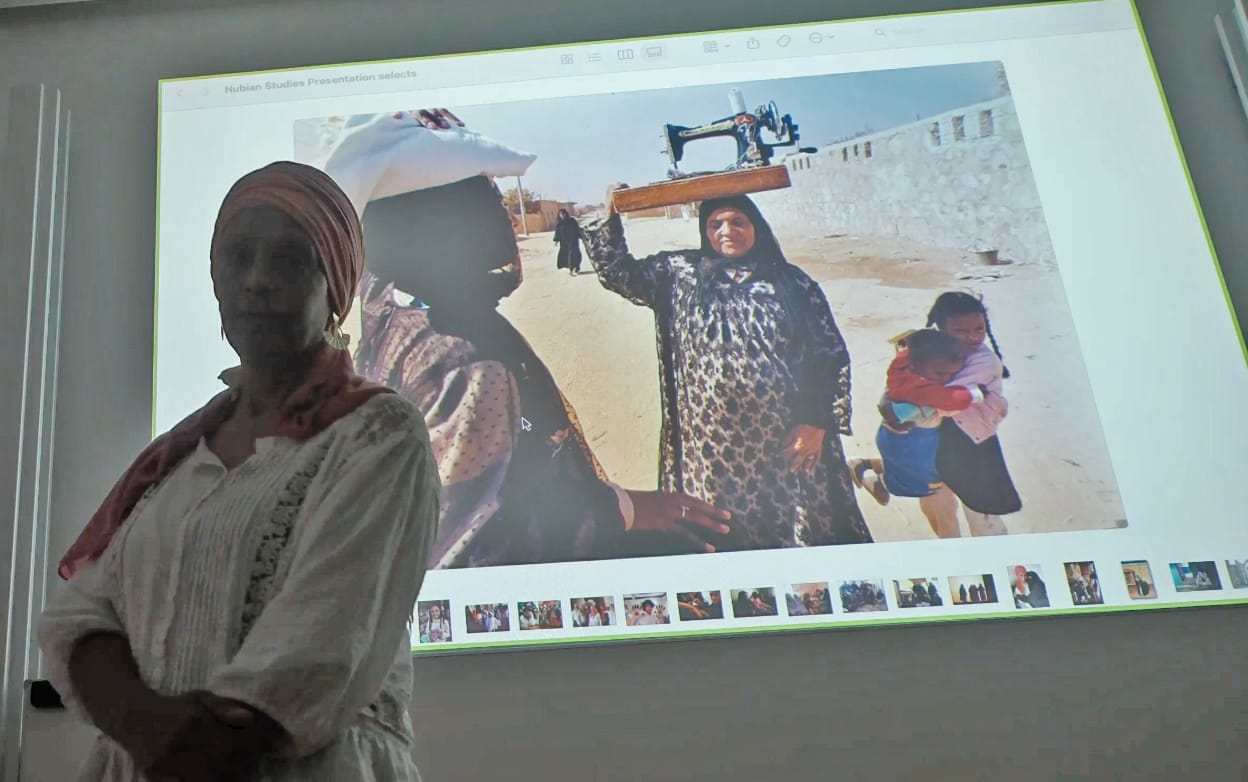
New friends and presenters |
At the conference, we met so many new friends and actually came across a friend from our early Cairo days back in the 1980s. There were over hundreds sessions on diverse subjects over the five day conference. Fve meeting rooms and each with 10 to 15 sessions per day. Each day in the conference rooms there were different themed topics. Here are just a few of them | Fieldwork, Ceramics, Museums, Archaeometallurgy, Sensor Worlds of Nubia, Religion & Beliefs, Text and Languages, History, Tales of Entanglement, Bioarchaeology, Animals and Men, Photographic Archives, Heritage Conflict, Urbanism, Art and many more. (you can see the full list on the ISNS website)
Our presentation on the photographic exploration of contemporary Nubian life fell under the category of Anthropology.
Obviously it was only possible to attend a fraction of the presentation. What amazed me was the number of disciplines and exhaustive studies that are happening all over the world on the study of Nubia. I, of course, have known about Nubia and its amazing history and culture, but few people I meet even in Egypt know much or anything about this ancient civilization, their rich heritage and the tragic displacement of most of Egypt's Nubians.
My main interest was on the social and photographic aspects of Nubia, though I did attend presentations on the anthropological and archaeological endeavour on Nubia.
Here are some of the people we met and their contributions to the study of Nubia.
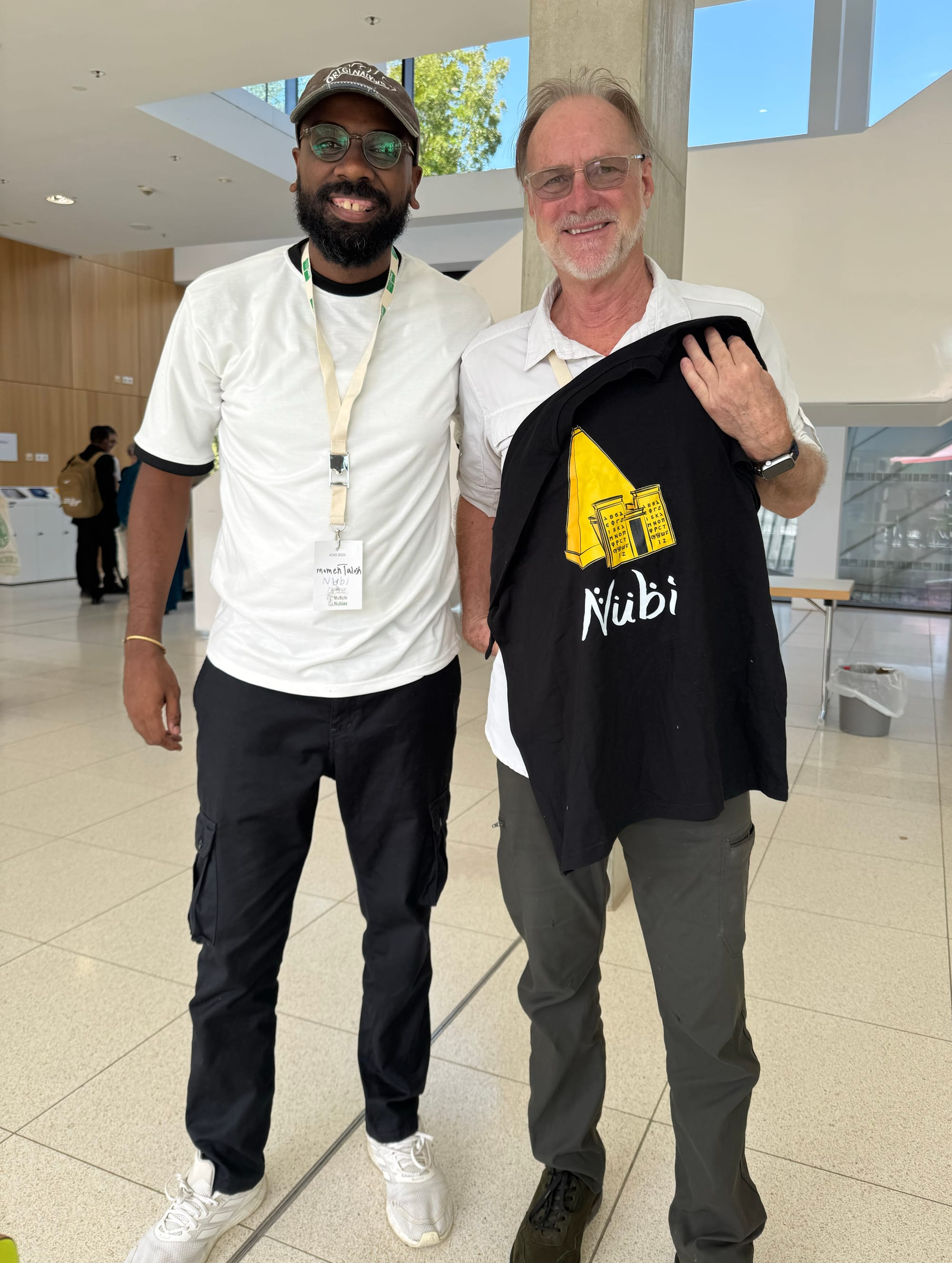
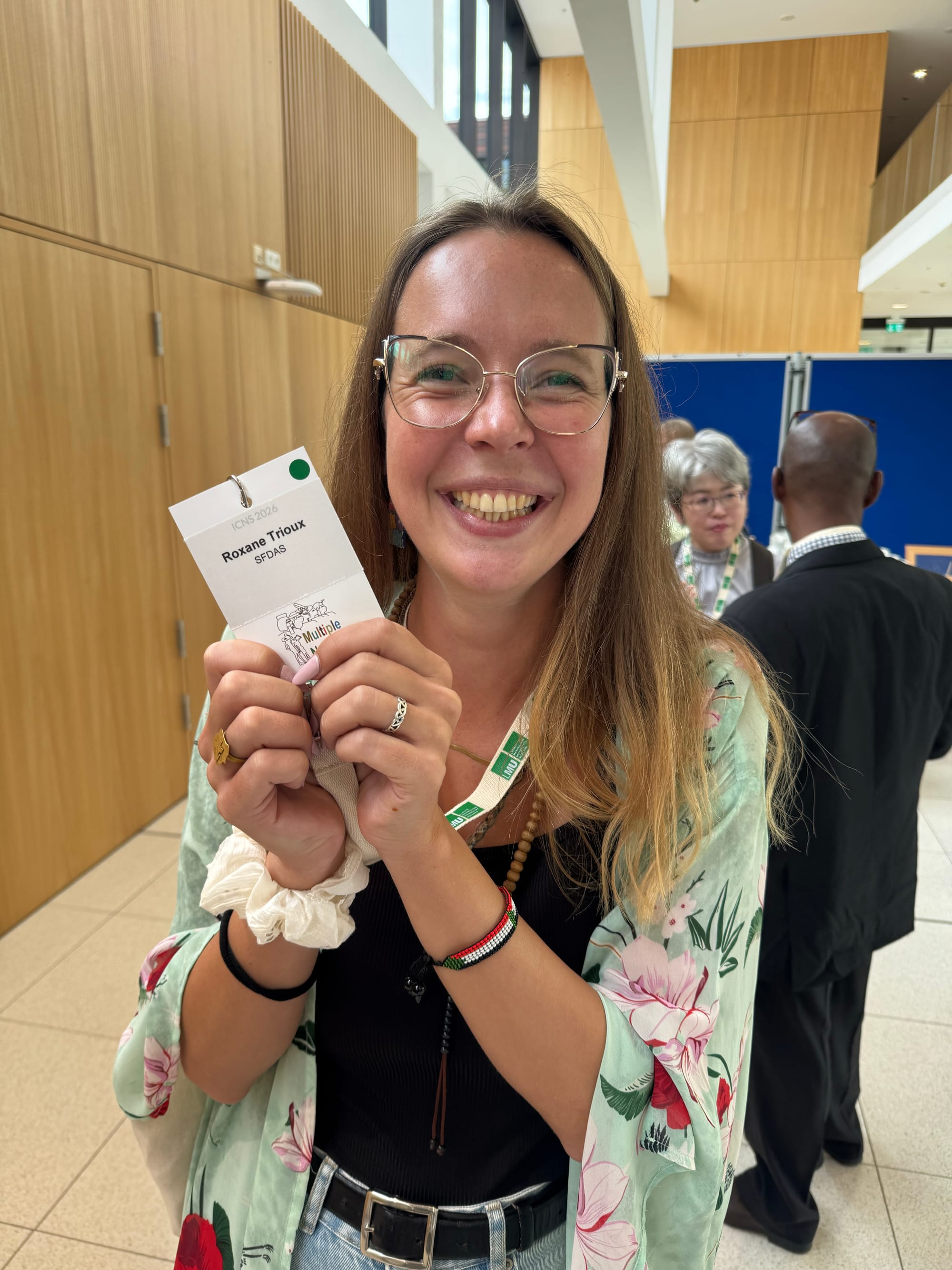
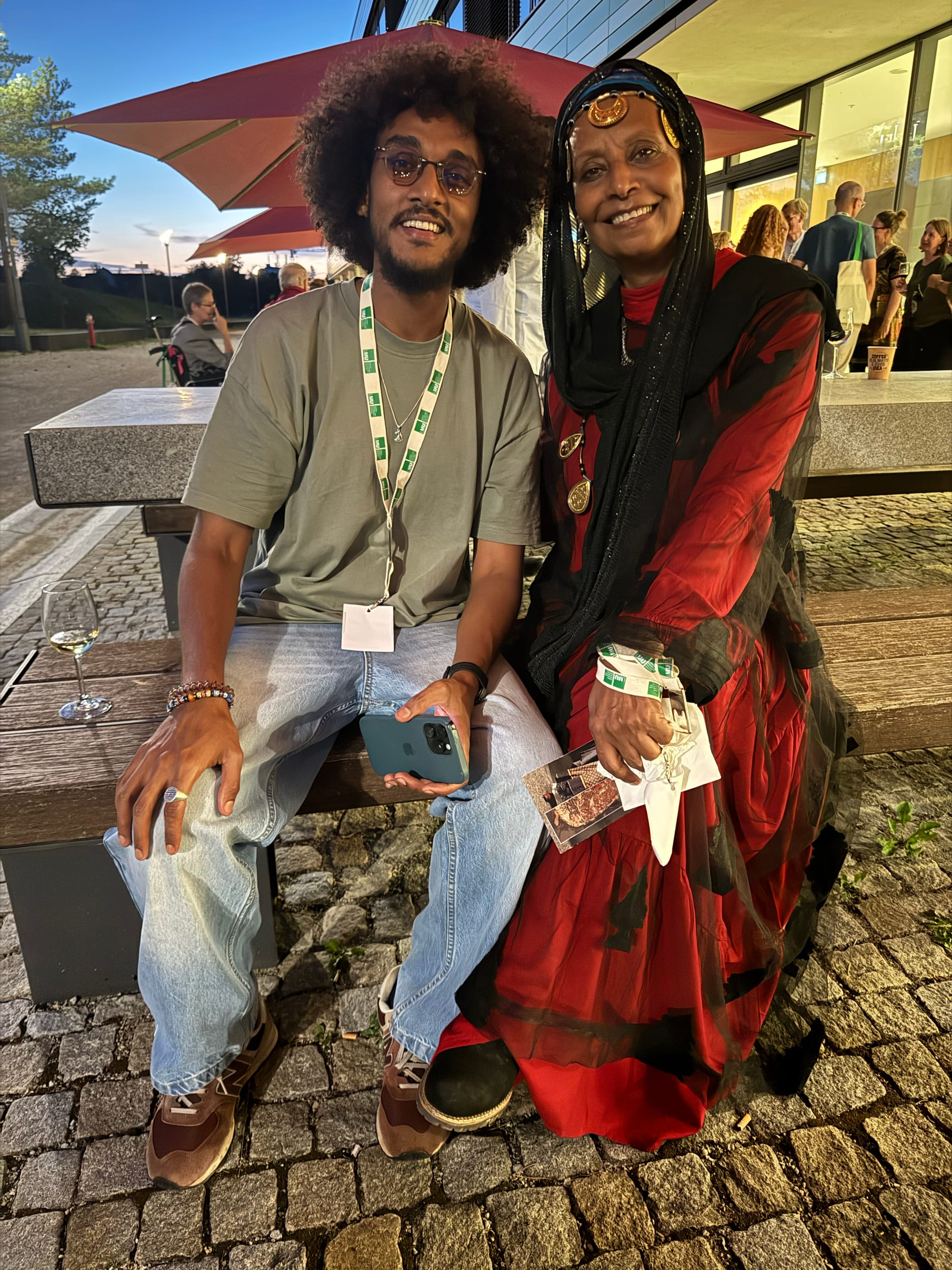
Momen Talosh | Nubian language app developer | Michael Nelson | American documentarian | Roxane Trioux | French archaeologist | Wael Gzloy | Filmmaker | Mona Sherif | Nubian Foundation for Preserving a Cultural Heritage
The Role of Digital Tools in Documenting Endangered Languages - Nubi app example | Momen Talosh
Today there are no organisations – governmental, corporate, or non-profit – dedicated to teaching or developing Nubian Language. Nubi has an urgent and time-sensitive mission to protect the Nubian language, connecting young Nubian generations with their heritage before it is lost. Nubi is the first initiative teaching the Nubian language in its two dialects Kenzi and Fadicca using the Nubi App – now with more than 10,000 downloads.
Roxane Trioux Research Assistant Section Française de la Direction des Antiquités du Soudan
Cairo, Egypt · On-site
Virtual Sudan National Museum Project
- Verify and refine artefact label descriptions to ensure accuracy and clarity.
- Conduct bibliographical research and compile scholarly sources for museum documentation.
- Manage and structure artefact-related data to support high-quality digital curation.
- Identify copyright holders and research the appropriate contacts for obtaining artefact photographs.
-Translate museum texts from French to English while preserving cultural and historical nuance.
Photographic Exploration of Contemporary Nubian Life | Michael Nelson (The Documentarian) Mona Sherif (The Nubian Foundation)
Through photographs taken by documentary photographer Michael Nelson and with explanations and narratives by Nubian cultural expert Mona Sherif, we will explore how Nubians have adapted to life after the displacement caused by the construction of the Aswan High Dam. With unique access to being a part of the Nubian family, Nelson has documented facets of Nubian life from wedding customs and celebrations to cuisine, musical events and family gatherings. The journey will take us from Abu Simbel in the far south of Nubia to desert displacement villages near Kom Ombo, to glimpses of traditional life along the Nile which still exist in Gharb Suheil and Aswan, to Nubian integration in Egyptian society in cities such as Cairo and Alexandria. Everywhere Nubians have settled after being displaced by the creation of Lake Nasser, they have maintained their traditions and family connections. This visual journey will take us into their homes and lives. We will witness close family bonds manifested through music, stories, genealogical lineage, food and language.
Mona Sherif will provide background narrative and storytelling to bring the imagery to life and provide telling observations of how Nubians are preserving their heritage and unique customs, culture, history and language. While much of the existing visual record of Nubians comes from institutional archives, this presentation seeks to read those histories against the grain by recentring the Nubian experience, memory, and agency through long-term access to Nubian family life, paired with cultural knowledge. This photo lecture offers an alternative, more progressive, archive, grounded in lived experience. By documenting weddings, celebrations, daily life, and community traditions across both ancestral and resettled Nubian spaces, the presentation helps create a visual record that restores Nubians as authors of their own narrative. In doing so, it enables a richer, more truthful understanding of Nubian identity and preserves the cultural continuities that have sustained the community through displacement and change.
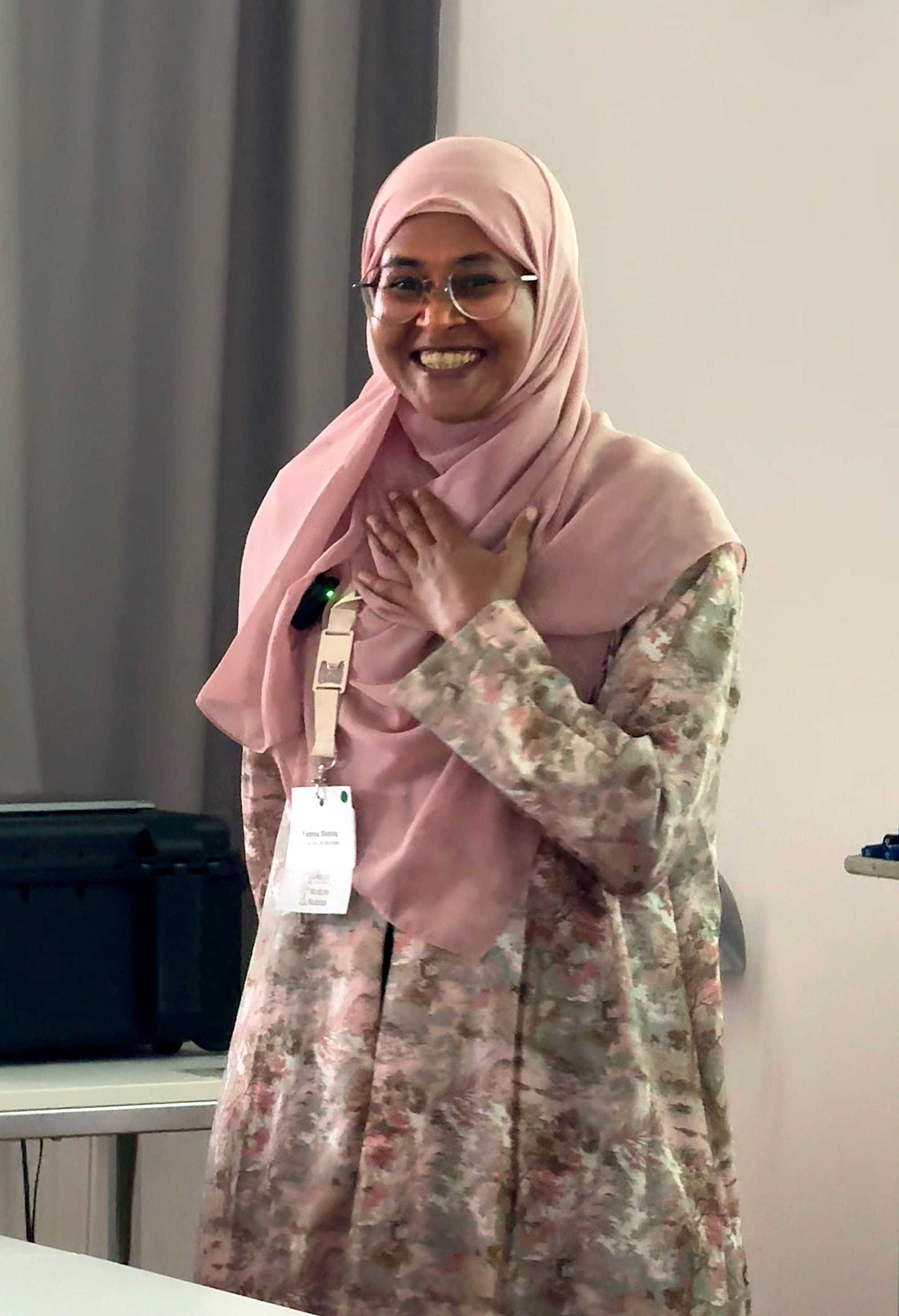
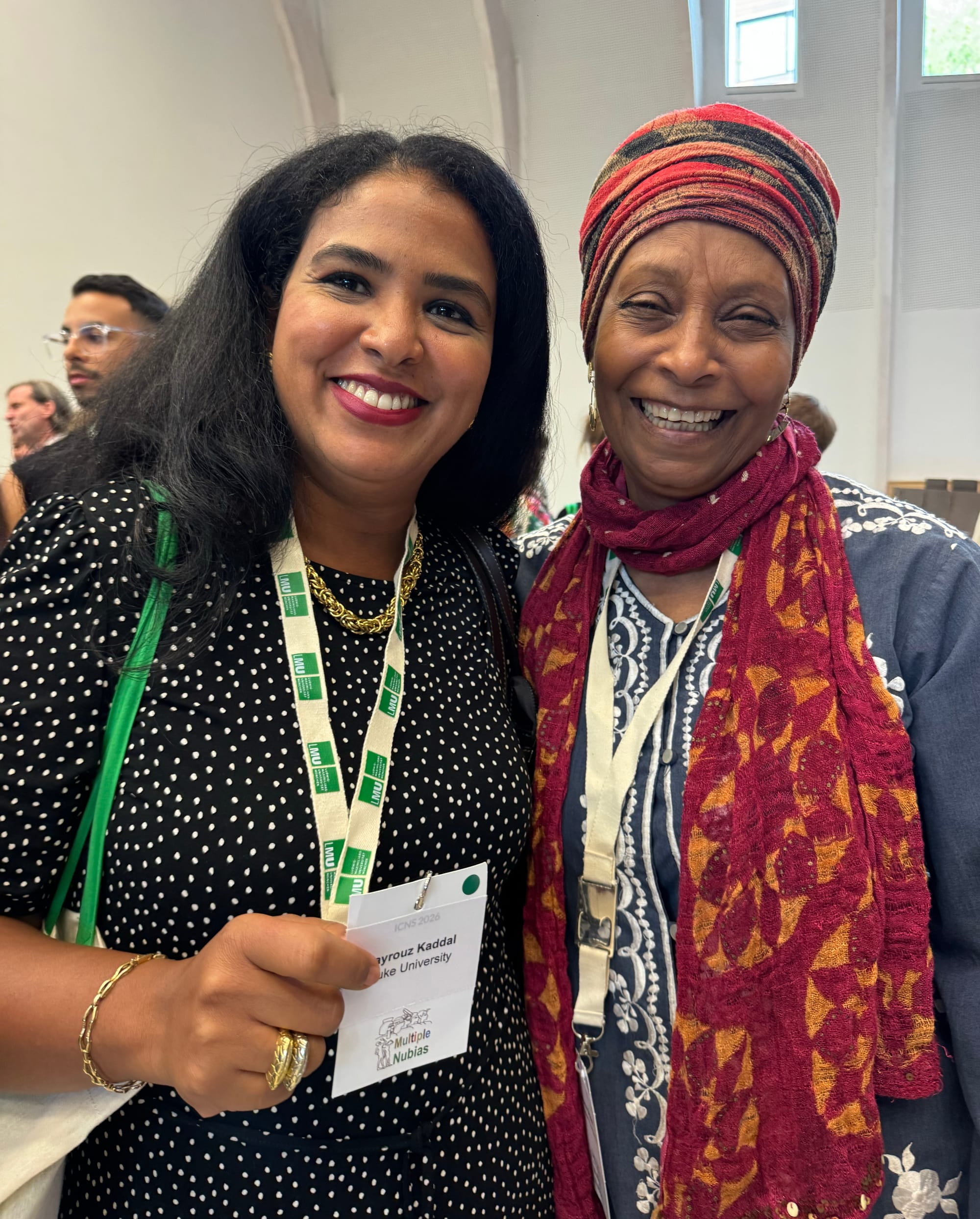
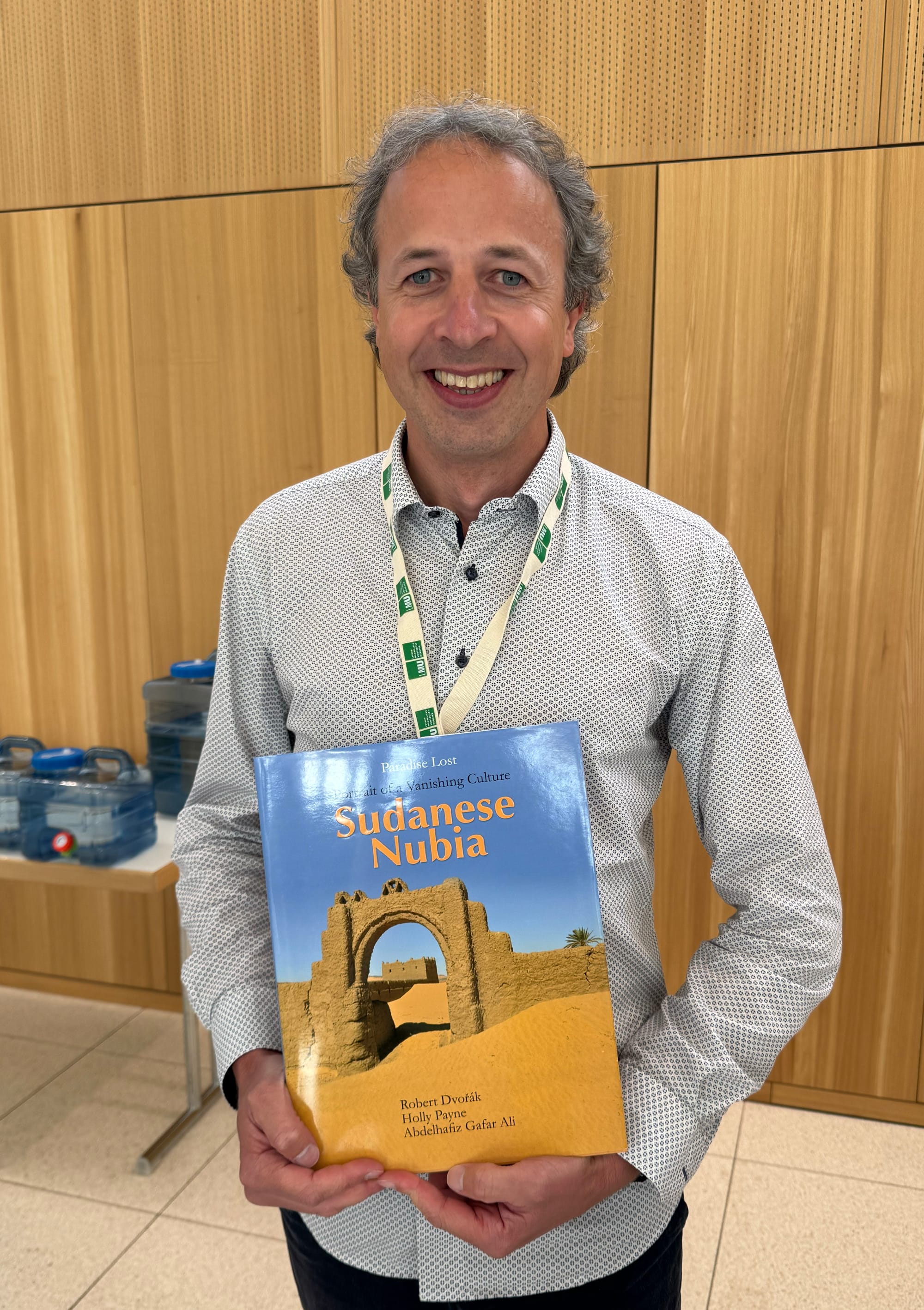
Fatima El Bashir Siddig | analytical chemist | Fayrouz Kaddal | Anthropologist | Robert Dvorak | Czech photographer and anthropologist
Ancient Sudanese Make-Up: Multi-Analytical Insights into Ingredient Diversity for Cosmetic and Medicinal Uses | Fatima Siddig (University of Münster)
This paper presents ongoing doctoral research at the Institute of Egyptology and Coptology, University of Münster, on the multi-analytical investigation of ancient Sudanese cosmetic and medicinal substances. It examines organic and inorganic components preserved in archaeological containers, such as kohl pots and vessels associated with perfumed oils.
From World Exhibition Fair to Save Nubia: A Genealogy of European Attachment to Nubia | Fayrouz Kaddal (Duke University)
Drawing on the concept of attachment as an affective theoretical lens, this paper seeks to argue that UNESCO’s Save Nubia campaign (1959) did not emerge from a spur of an urgent moment. Instead, the campaign reflects a much older fascination with Nubia. This paper traces a genealogy of European attachment to Nubia by examining how different layers of engagement – travel writing, missionary encounters, and classic anthropological and archaeological work – collectively produced Nubia as an object of desire, study and later salvage.
Traditional Nubia in the Swirl of Modern Trends | Robert Dvorak
In recent decades, Nubia has experienced profound changes driven primarily by the construction of tarmac roads, the influx of new goods and the adoption of modern fashions. This paper aims to explore the impact of modernisation on Nubian traditional heritage, presenting photographic evidence collected from twenty-eight villages during field research conducted between 2009 and 2017.
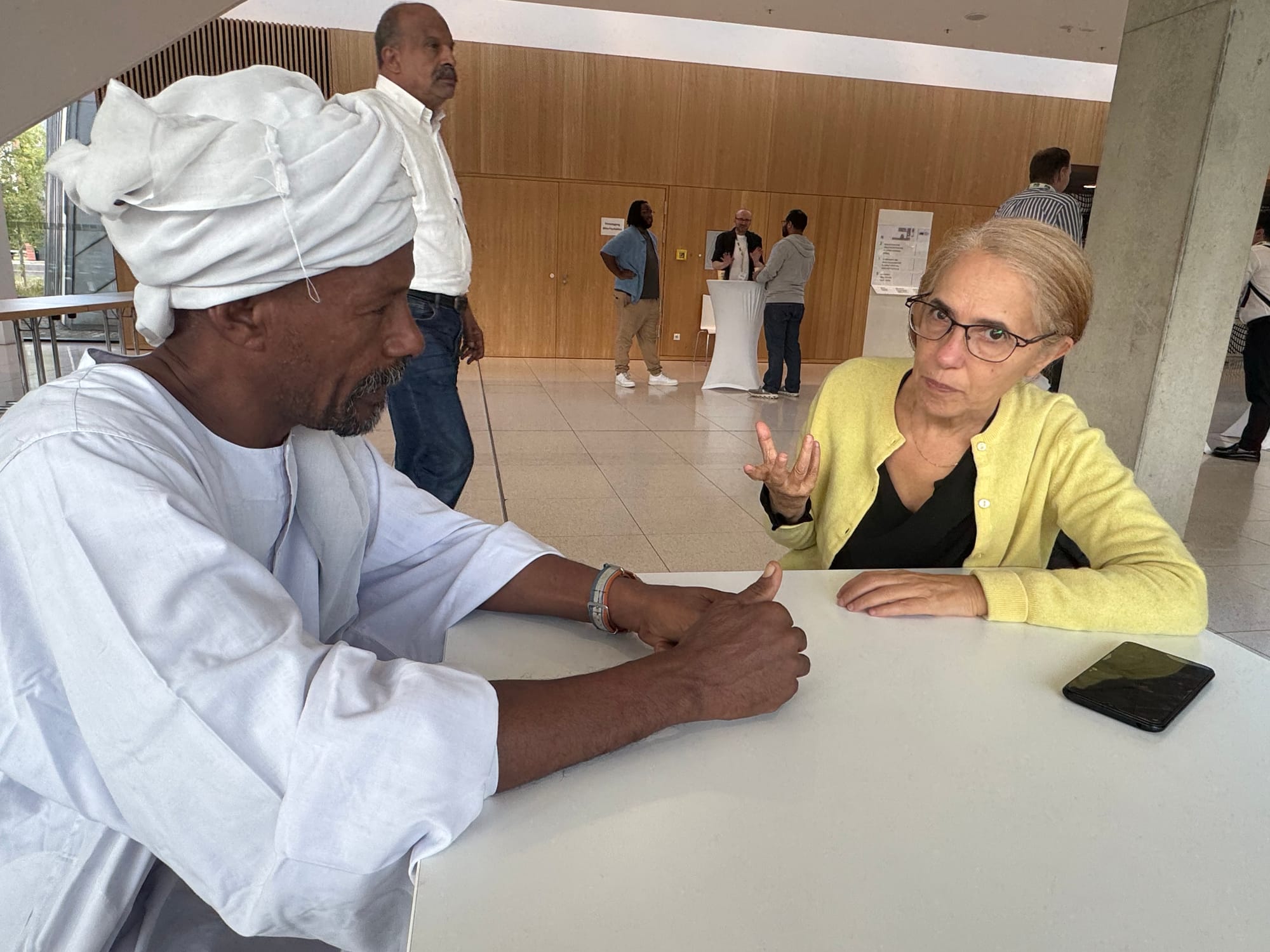
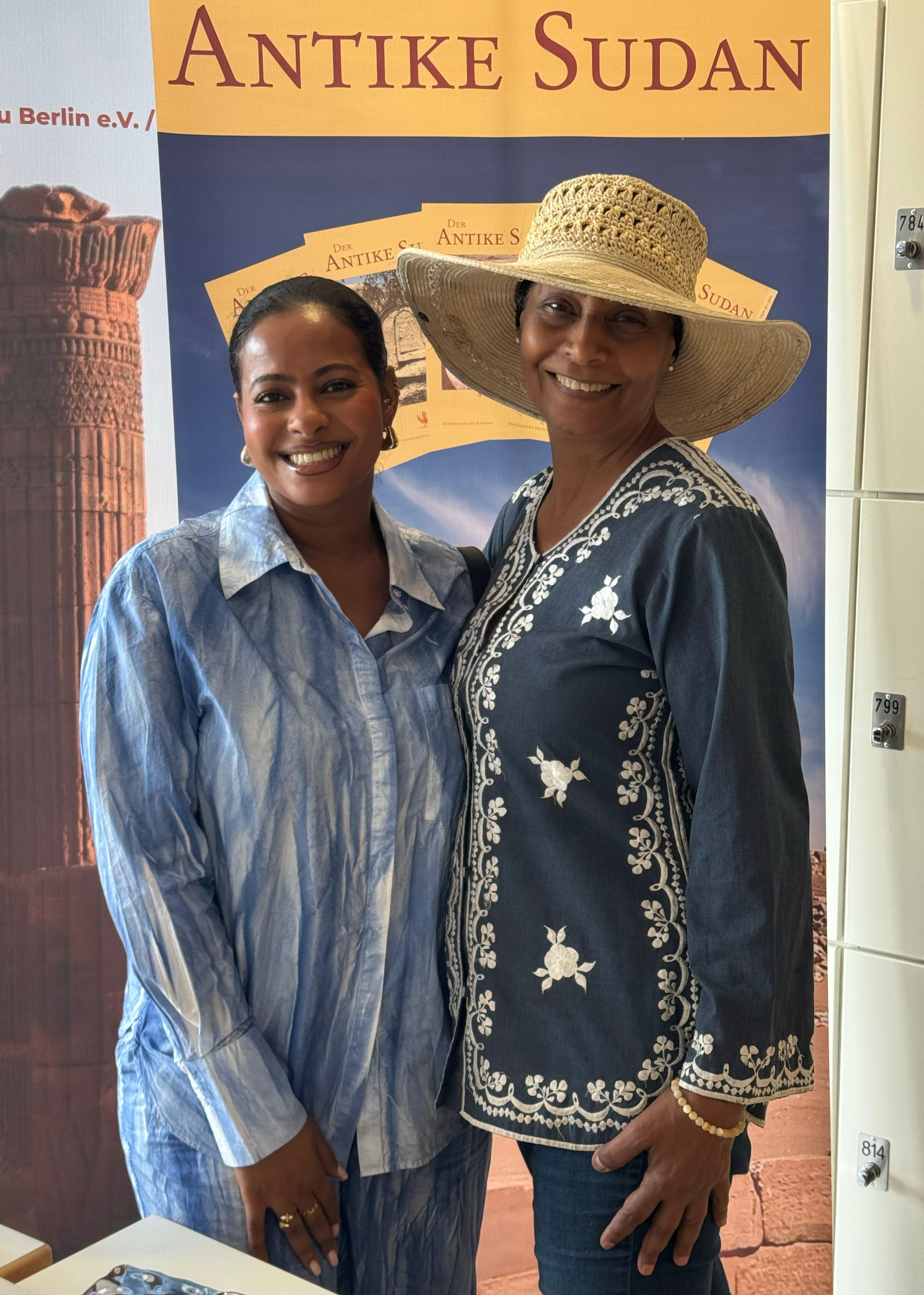
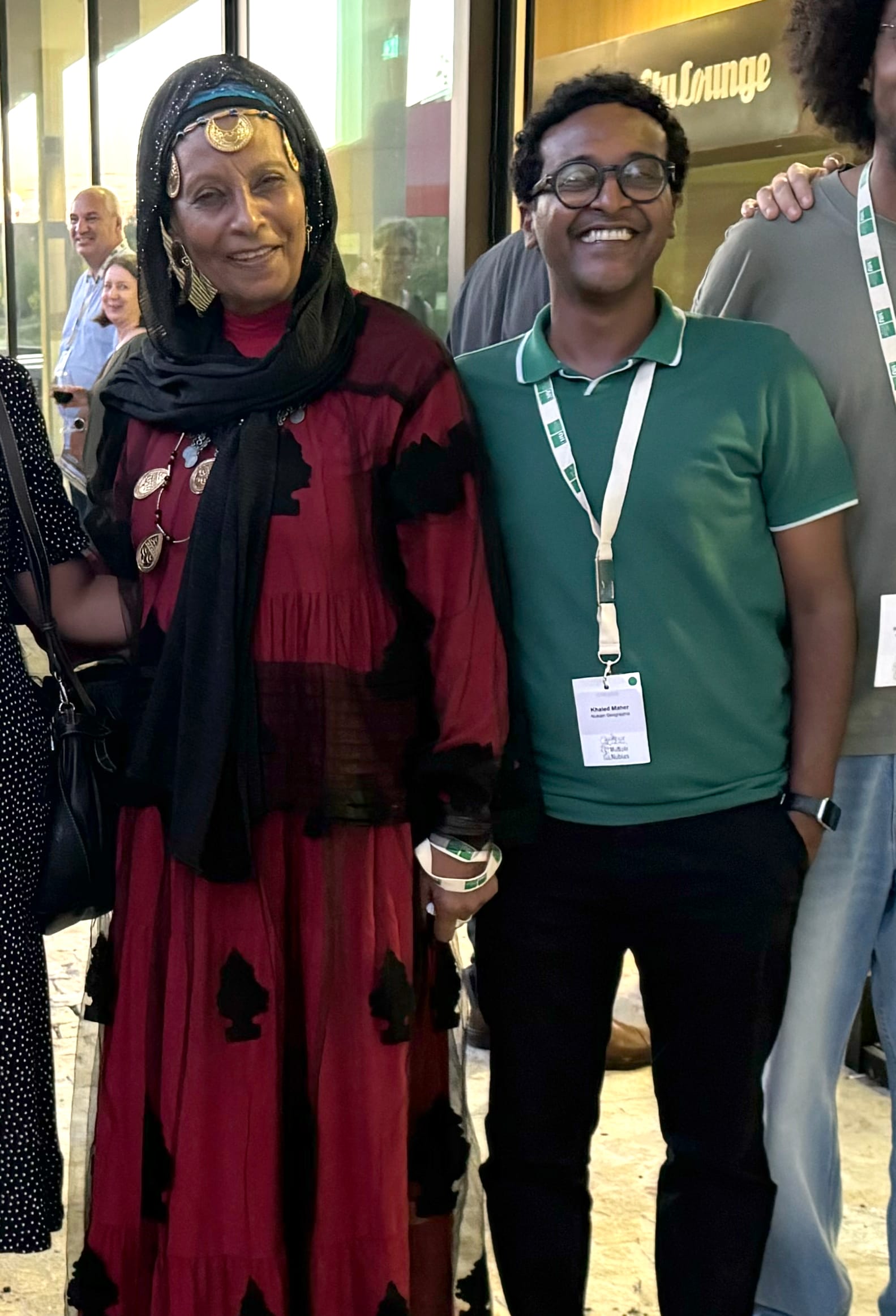
Costanza de Simone | Italian researcher | Yasmin Elnour | artist and designer | Khaled Hafiry | writer Nubian Geographic
“Civil Observatories” and “Cultural Heritage Monitoring Platform” in Sudan | Maria Costanza De Simone (Nubia Museum in Wadi Halfa Team)
Scientific and technical research and solutions, as well as institutional protection measures, are often ineffective without community-level involvement in defining, understanding, and protecting cultural heritage. In Sudan, local community participation in cultural heritage is deeply ingrained and recognised across many projects. When community participation deals with protection it is necessary to add two more elements: reliability and organisation. It is not possible to leave this to improvisation or entirely unknown entities. The spontaneous mobilisation of citizens, including in emergency contexts, has often highlighted that what is missing is not the will or solidarity of the people, but rather an organised public system capable of valuing and coordinating them.
Fragments into Power: Reassembling Nubian Heritage | Yasmin Elnour (Independent Researcher)
This paper presents an ongoing visual practice, primarily in collage, exploring Nubian and Sudanese heritage through archival material and visual storytelling. As a Nubian architect and artist working from within the diaspora, I respond to what the session organisers identify as archival representations of Nubia as “unpeopled space” – where living Nubians appear only as anonymous representatives of labour or village life – by creating works that re-centre Nubian experience, agency, and beauty.
Tracing Nubian Magazines across Time: Reconstructing Forgotten Archival Networks through Digitization and Cultural Memory | Khaled Hafiry (Nubian Geographic)
This paper examines one of the earliest and least-documented printed heritage collections from southern Egypt: a set of rare early 20th-century Nubian magazines that circulated among local intellectuals, community leaders, and cultural associations along the Nile Valley. Although modest in appearance, these magazines constitute a dispersed and fragile archive that preserves indigenous Nubian perspectives on language, identity, community life, and socio- political change during a transformative historical period.
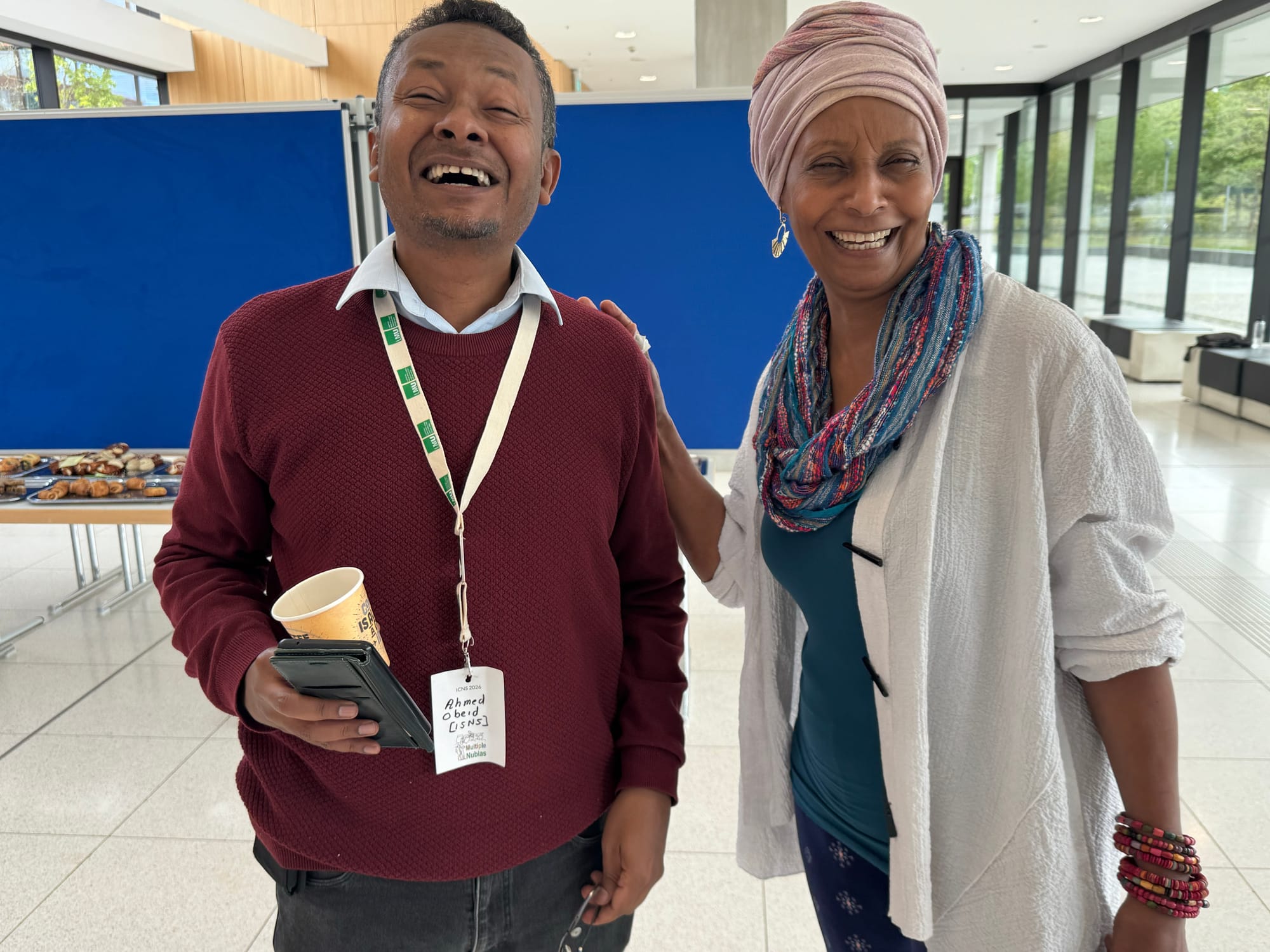
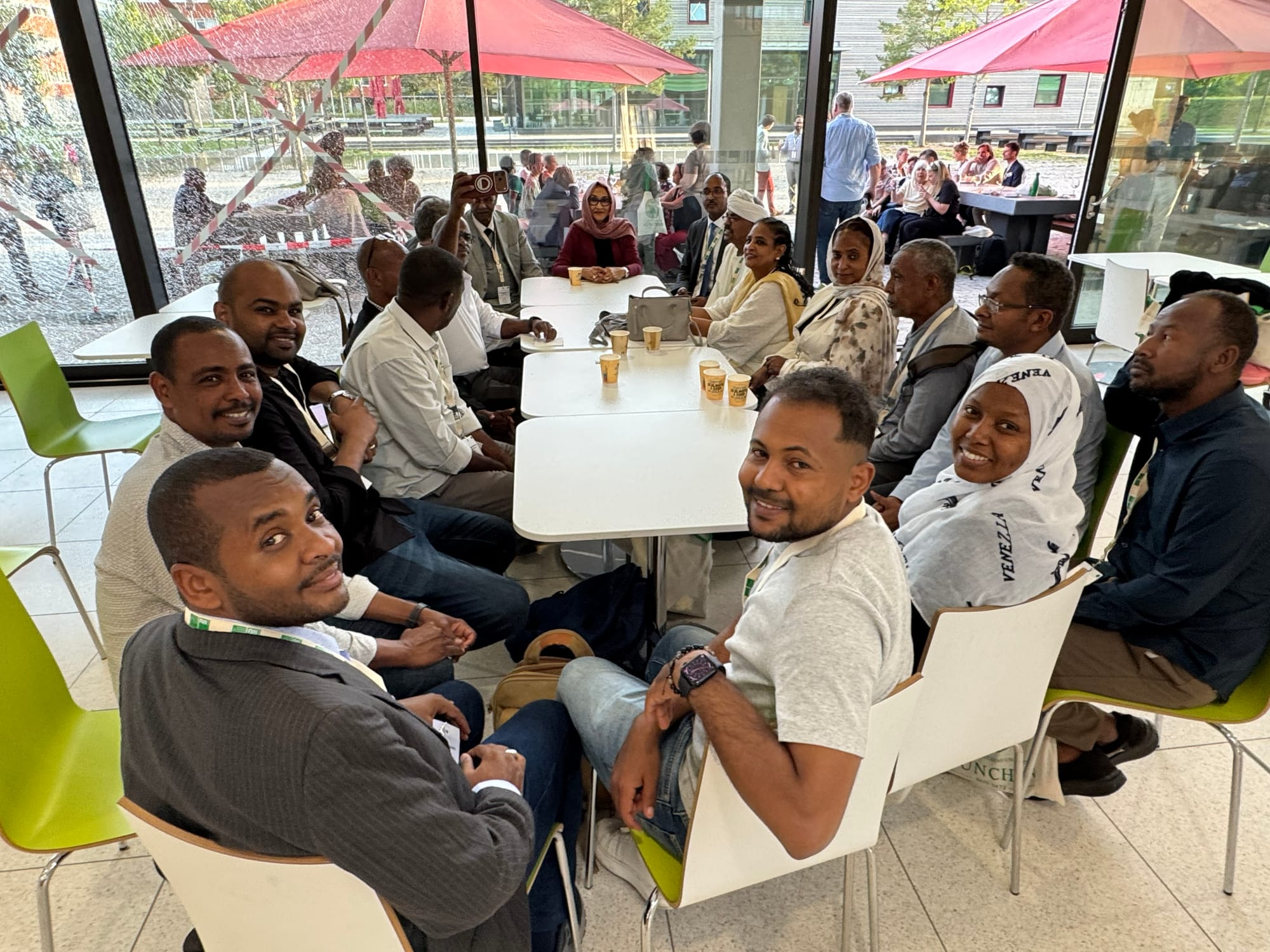
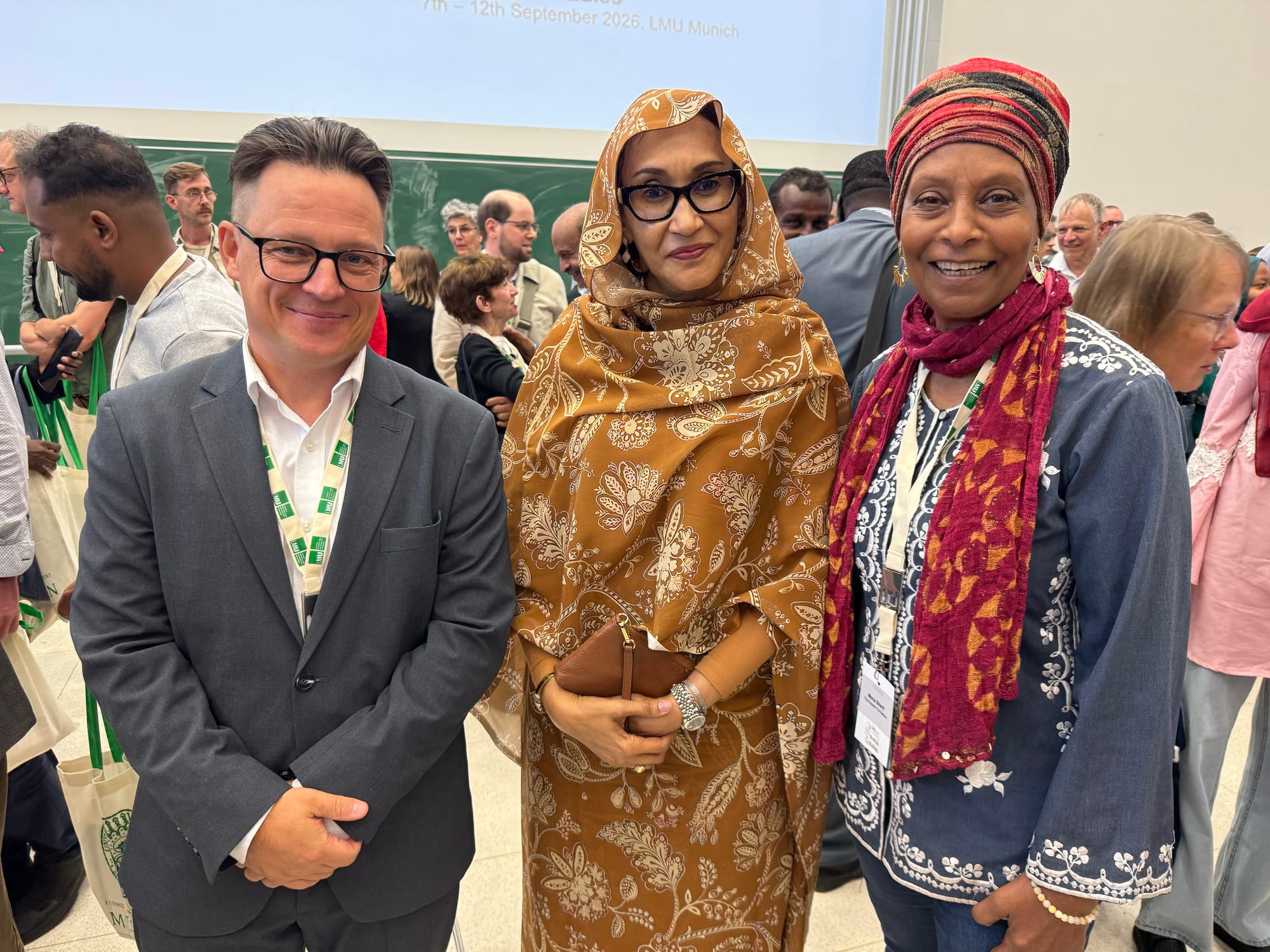
Ahmed Obeid | International Society for Nubian Studies | Sudanese Embassy delegation | Artur Obluski | Nubiologist and President of ISNS | Ilham Ahmed | Sudanese Ambassador to Germany
Dress to Impress | Nubian Kingdom Christian era fashion show
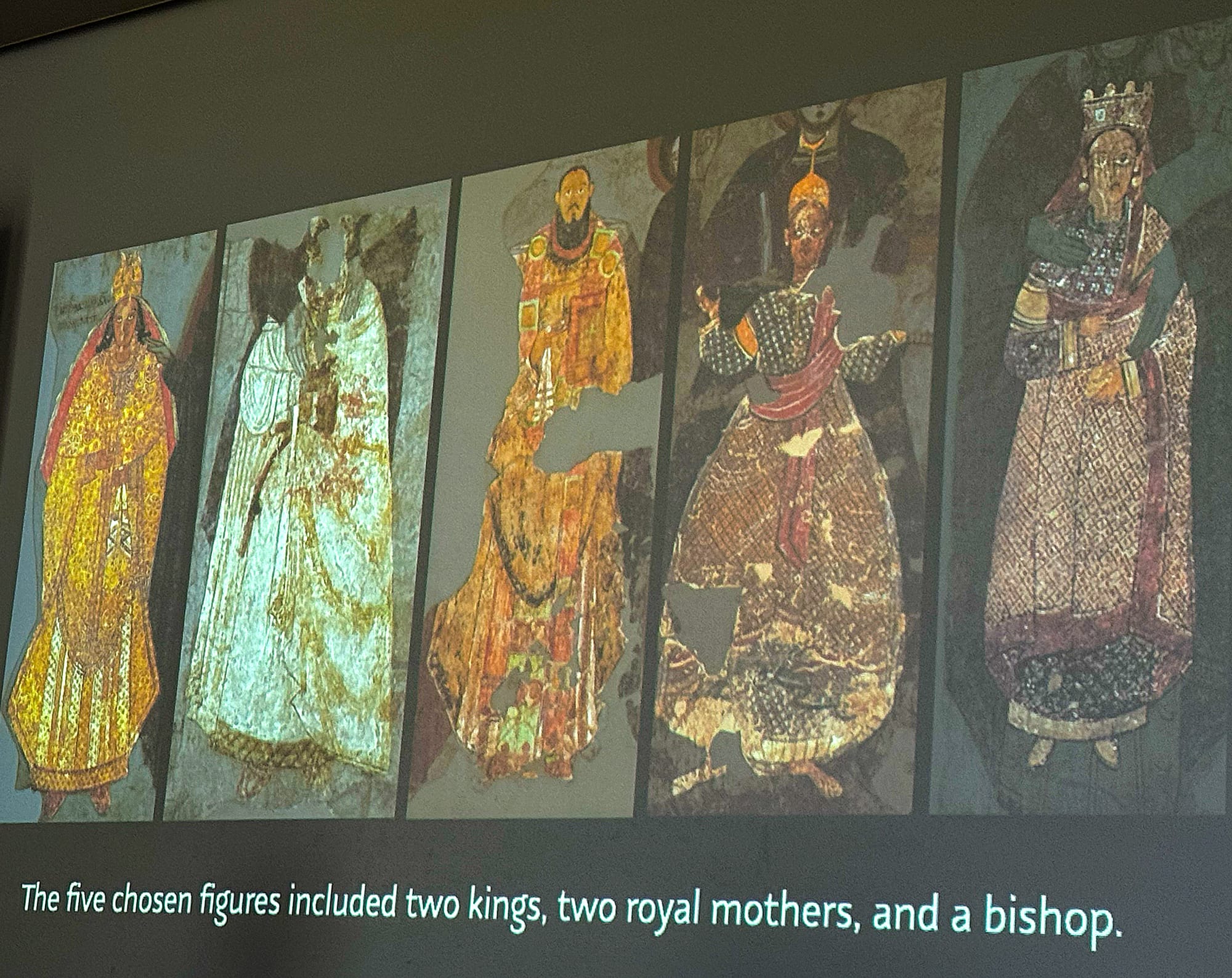
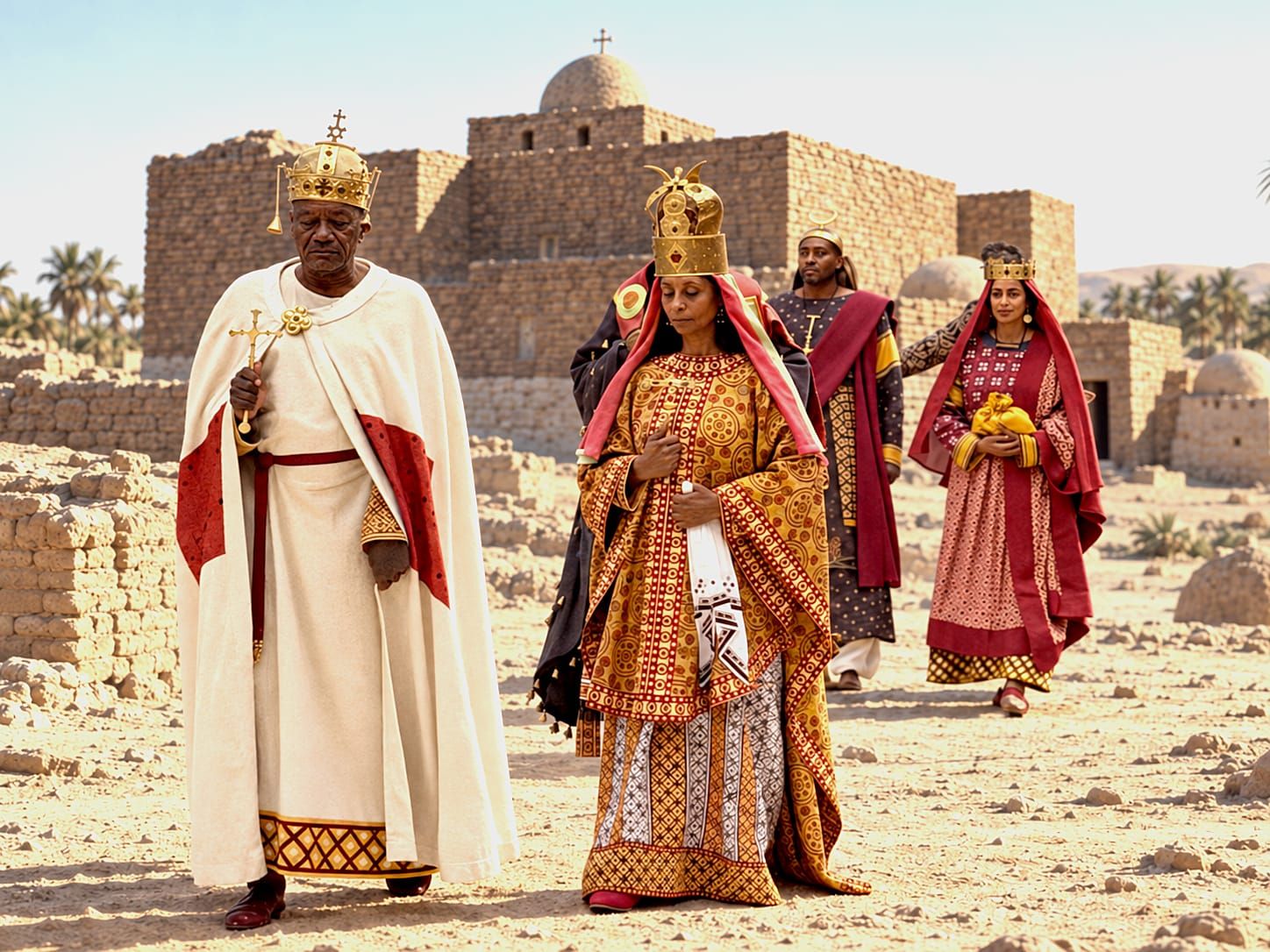
The final event of the conference was a fashion show depicting "costumes of authority" from the royal family and clergy in medieval Christian Nubia. A transdisciplinary team of archaeologists and designers from the University of Poland and SWPS University painstakingly recreated five costumes from cupola wall paintings of the Faras Cathedral that had been perserved and photographed before the area was inundated by the flooding of most of Egyptian Nubia in the 1960s. From the murals they recreated the designs and tried to replicate the actual fabric material. Mona and other presenters were pressed into service as models and made a dramatic entrance to the applauds of the audience.
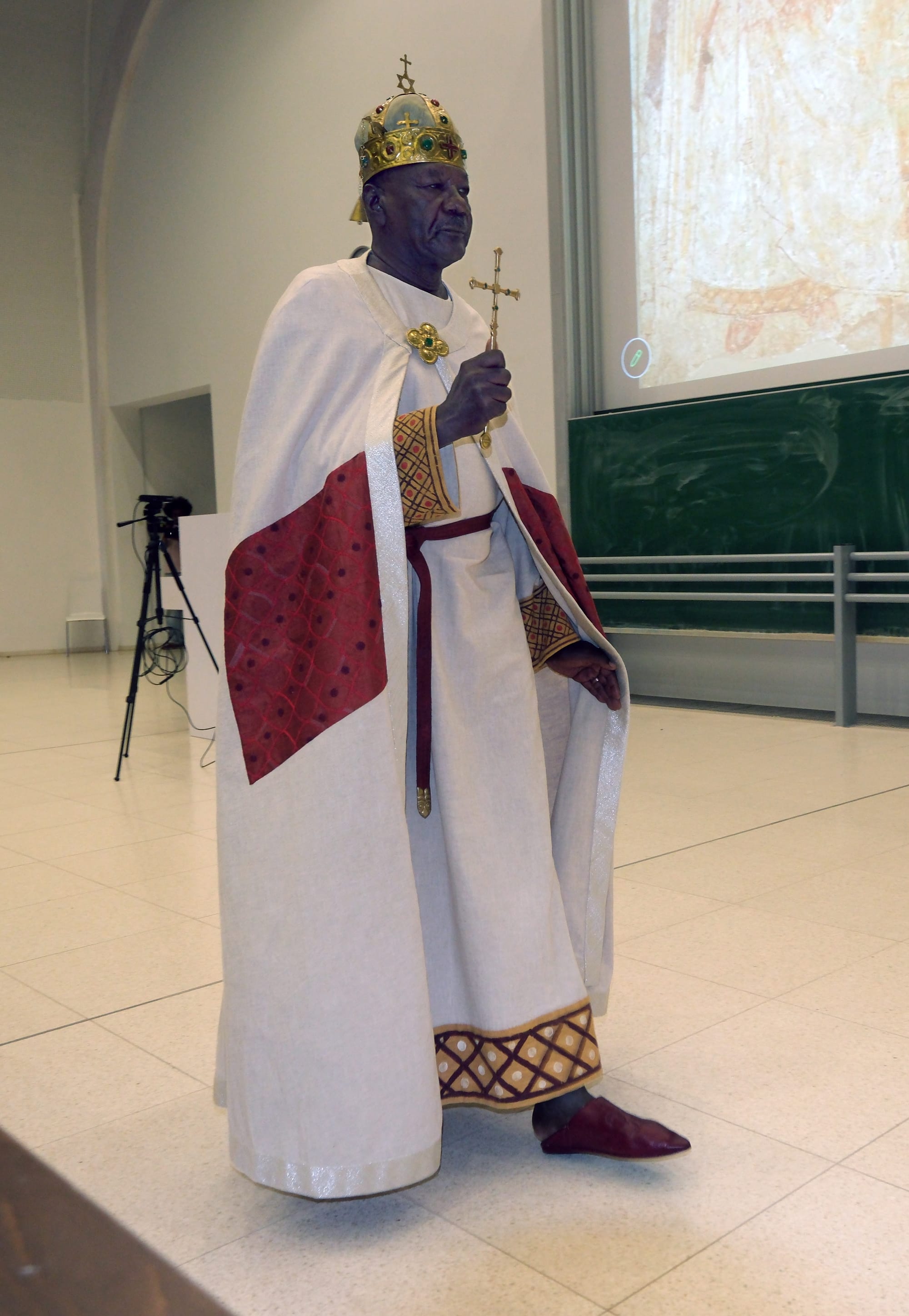
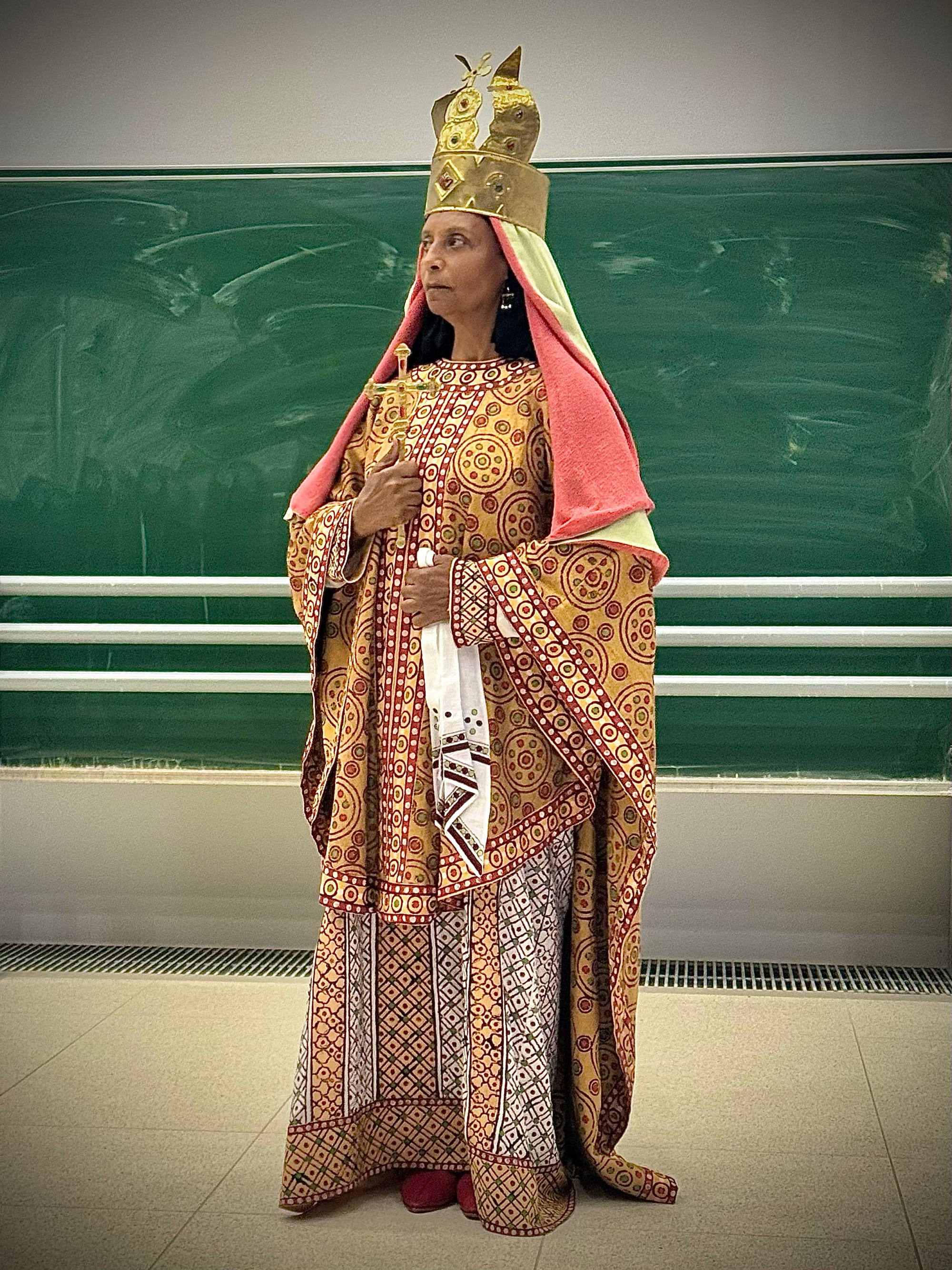
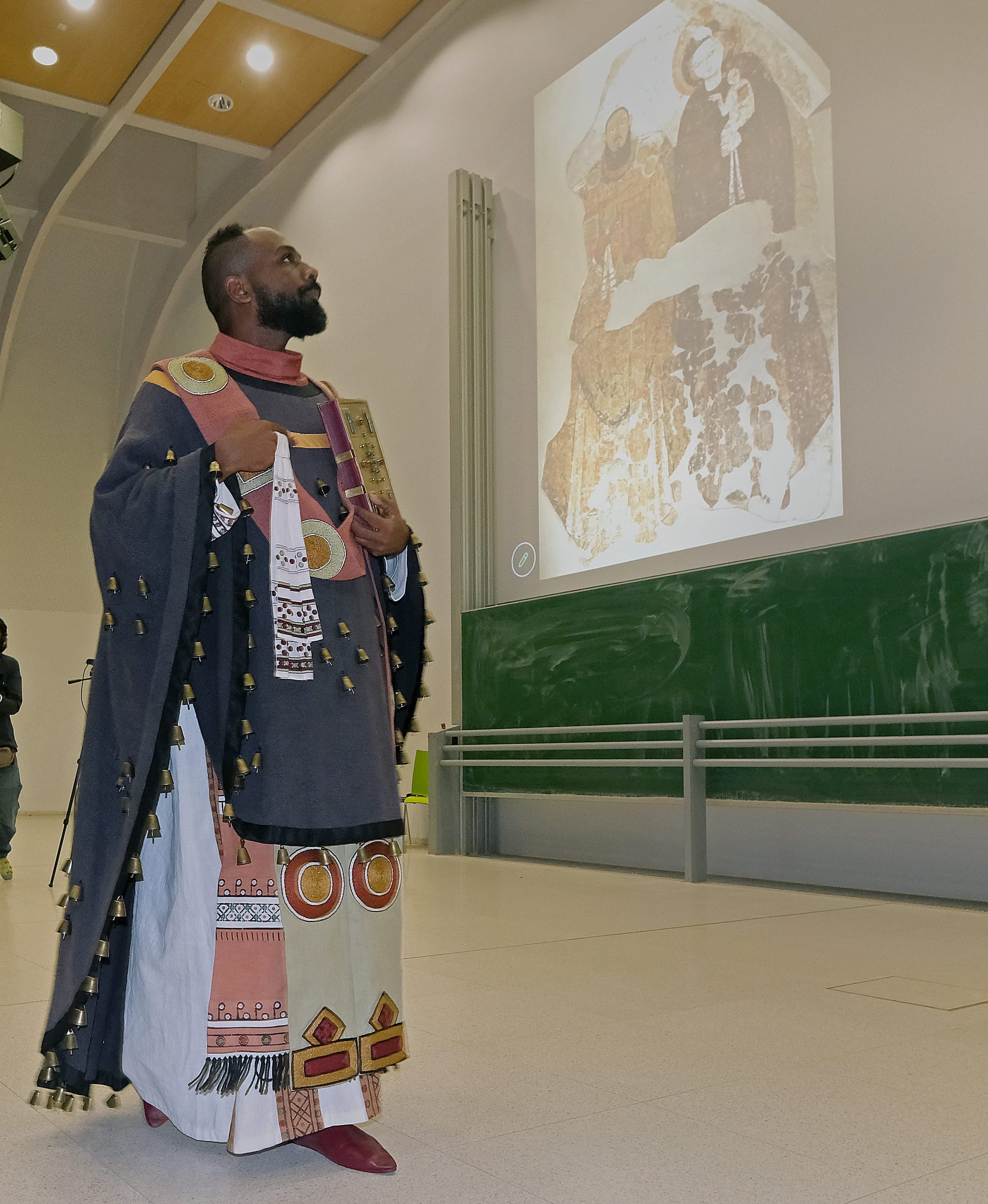
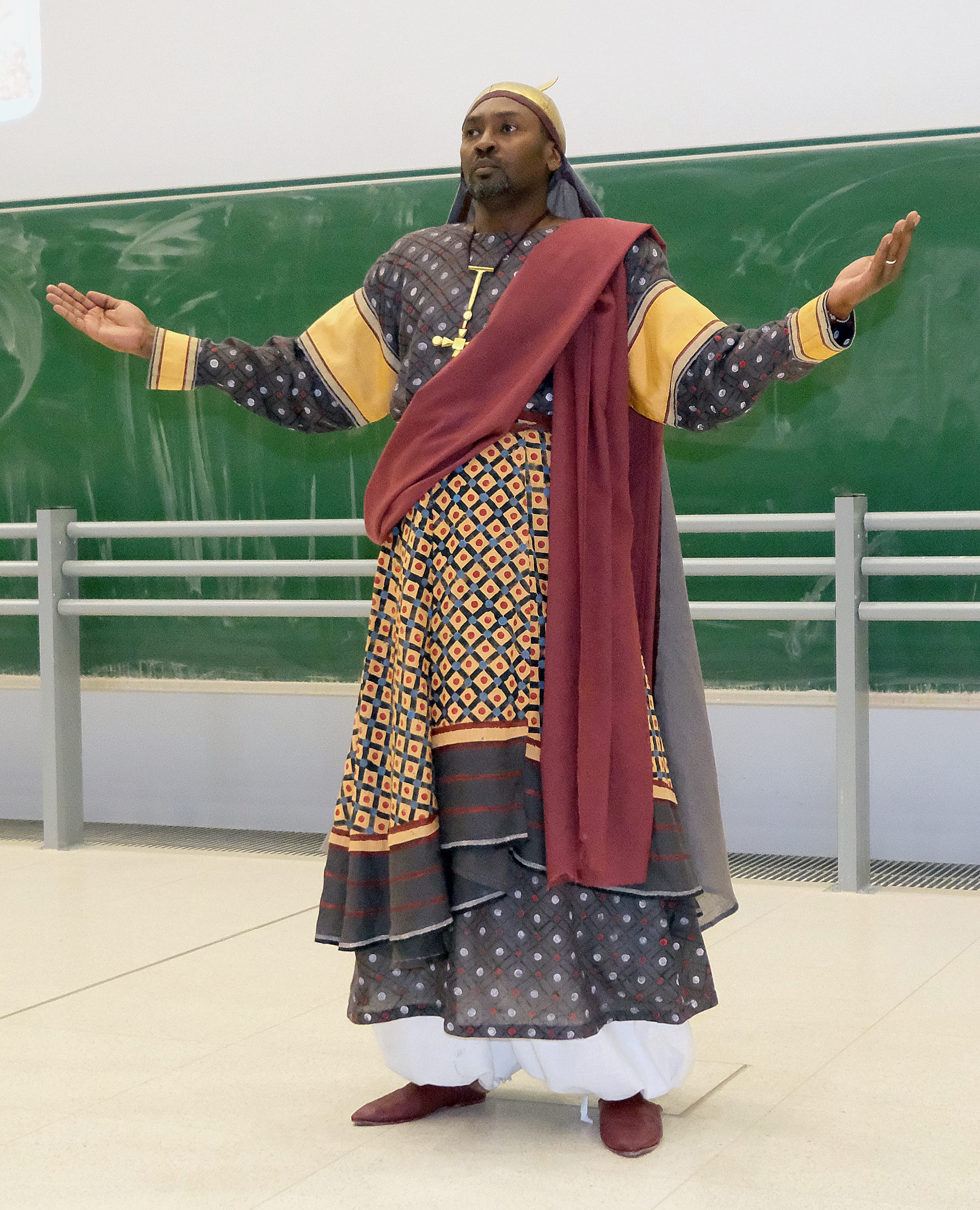
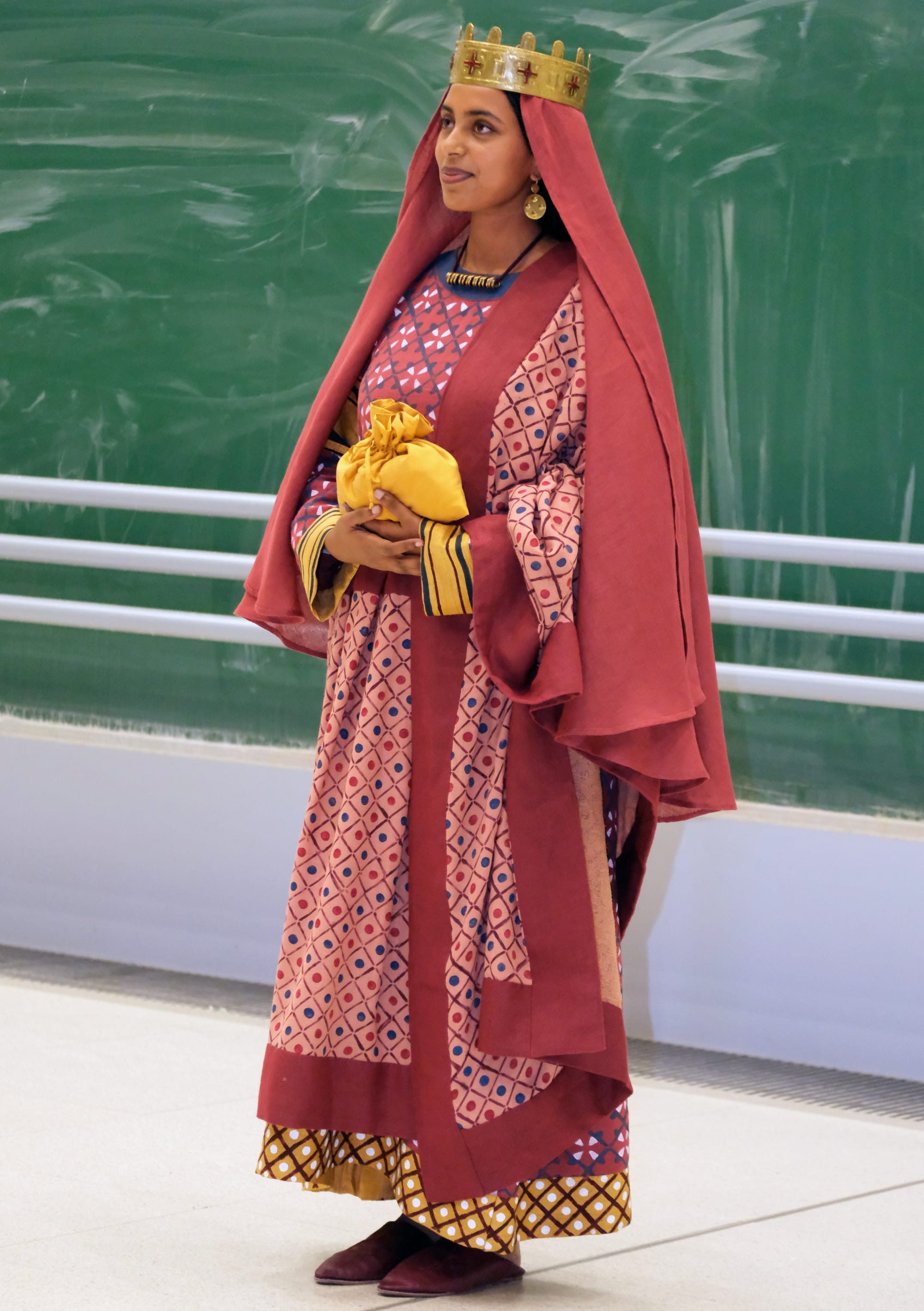
International Society for Nubian Studies volunteer models | Munich | Germany
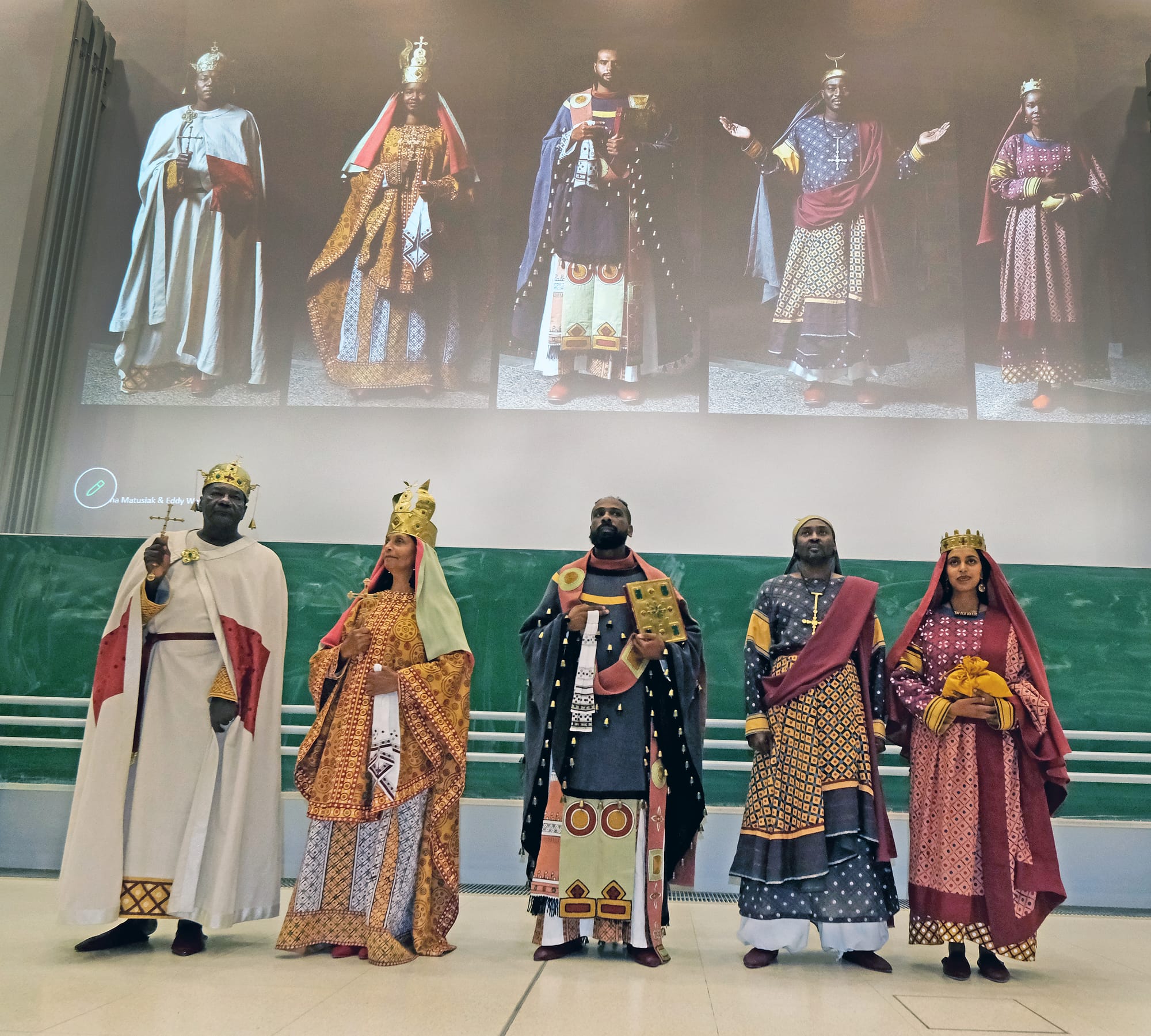
King | Queen Mother | Bishop | KIng | Queen Mother | Nubian Studies Conference
An interesting side note: Mona's father Mohy el Din Sherif, was the omda (mayor) of Faras. So maybe a thousand or so years ago, Mona's relatives may have actually worn the original costumes.
Presentations | Photographing Nubia.... to be added
Because of my interest in photography I decided to emphasize presentations about photography, and depicting Nubia through imagery.
We did, however, manage to attend a number of fascinating presentations of so many varied and diverse subjects. Just to name a few: the history of archaeologists and their methods, development of an app to teach and translate Nubian languages, discoveries of 26th Dynasty temples and murals in Luxor when the "Black Pharaohs" - ancient Nubian - ruled the whole of Egypt and Nubia, deciphering and interpreting Nubian Nile cultural heritage, and the effort to find stolen artifacts and restore museums destroyed during Sudan's ongoing civil war.
A Crowfoot Connection: Photographs of Sudan and Nubia at the Palestine Exploration Fund | Elisabeth Sawerthal (British Museum)
The Palestine Exploration Fund, London, specialises in Levantine history, and yet it houses a small photographic archive with images from Sudan and Nubia. These photographs were taken and later donated to the Fund by Elisabeth Grace Crowfoot, the British textile historian known amongst other contributions for her work on materials from Qasr Ibrim. Not only was Crowfoot a renowned scholar in her own right but she also came from a family of archaeologists, following in the footsteps of her mother, the textile historian Grace Mary Crowfoot. Her father John Winter Crowfoot served as Director of Education in Sudan until leaving for Mandate Palestine where he served as the first Director of the newly founded British School of Archaeology in Jerusalem and excavated at sites such as Samaria-Sebaste. This contribution will introduce and provide an overview of Elisabeth Crowfoot’s photographs at the Palestine Exploration Fund. It also seeks to explore the journey of how these images became part of a Levantine collection in order to highlight how photographic archives of Nubia were created within the wider archaeological and scholarly networks of the British empire.
From Cultural Anthropology to Visual Heritage | Tobias Mörike
Nubian landscape, material culture, architecture as well as individuals and families are depicted in the books and papers of social and cultural anthropologists and form a specific photographic record. By looking at published photos, this talk addresses three questions: first, it investigates how images were used as documents in the arguments about Nubians; second, it asks if the agency of Nubians can be reconstructed; and, third, if the material selected for publication offers clues for unpublished archives and materials, which could in the future be revisited with the Nubian heritage community.
The talk aims to connect the rich published material with current approaches in photographic history.
A day excursion to Munich |
Following our presentation, we took a break from the conference to visit Munich and the State Museum of Egyptian Art. I also wanted to see the Paleontological Museum, Munich for research on my oases book project.
With a planned quick four day visit to Austria and Germany after the conference and before leaving to South Africa, I wanted to visit the city where in 1972 I had spent the summer with my brother who was stationed there with the US Army. I don't remember much except the Olympic Games and memorial service for the slain Israeli athletes.
Paleontological Museum, Munich |
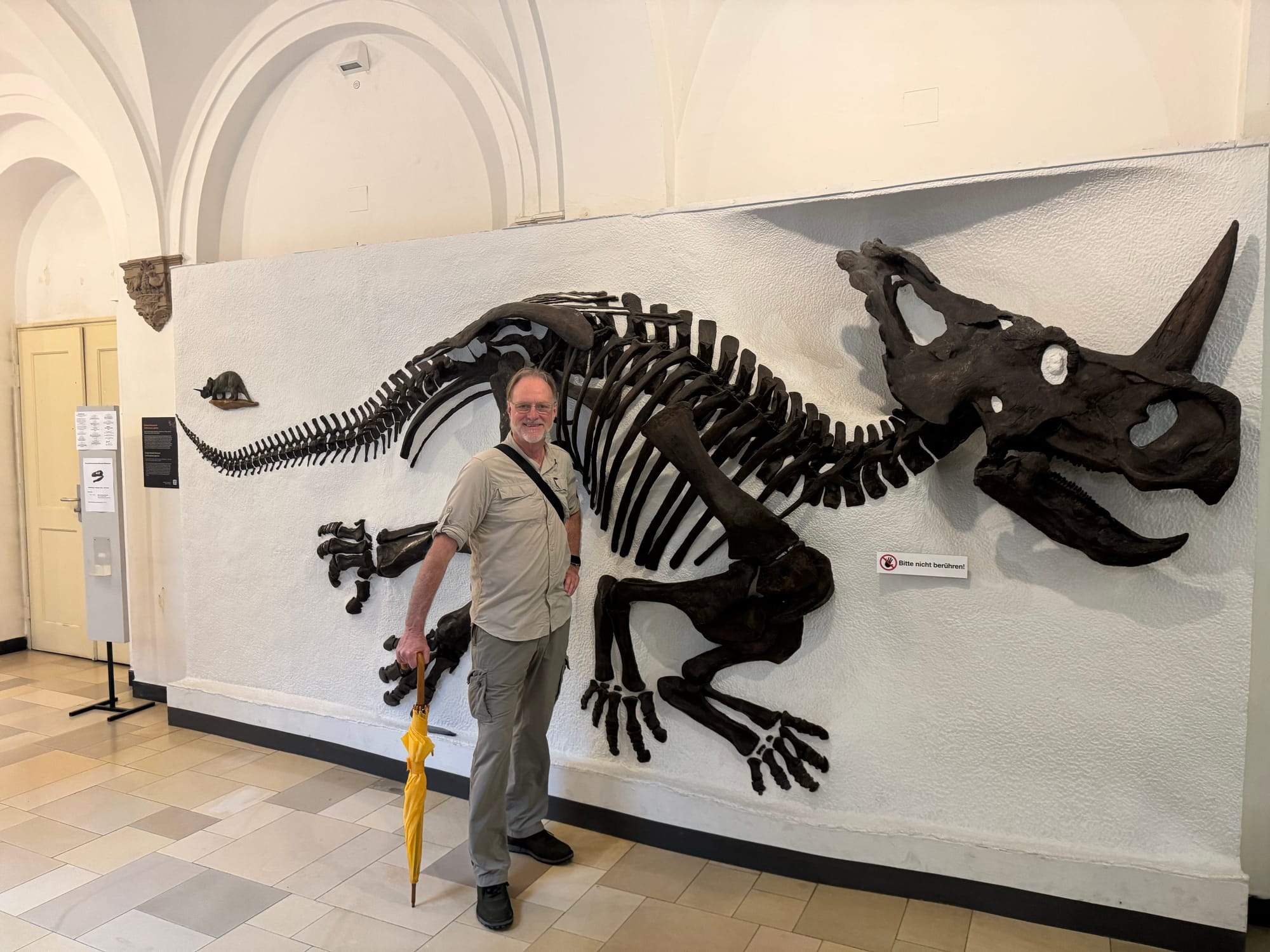
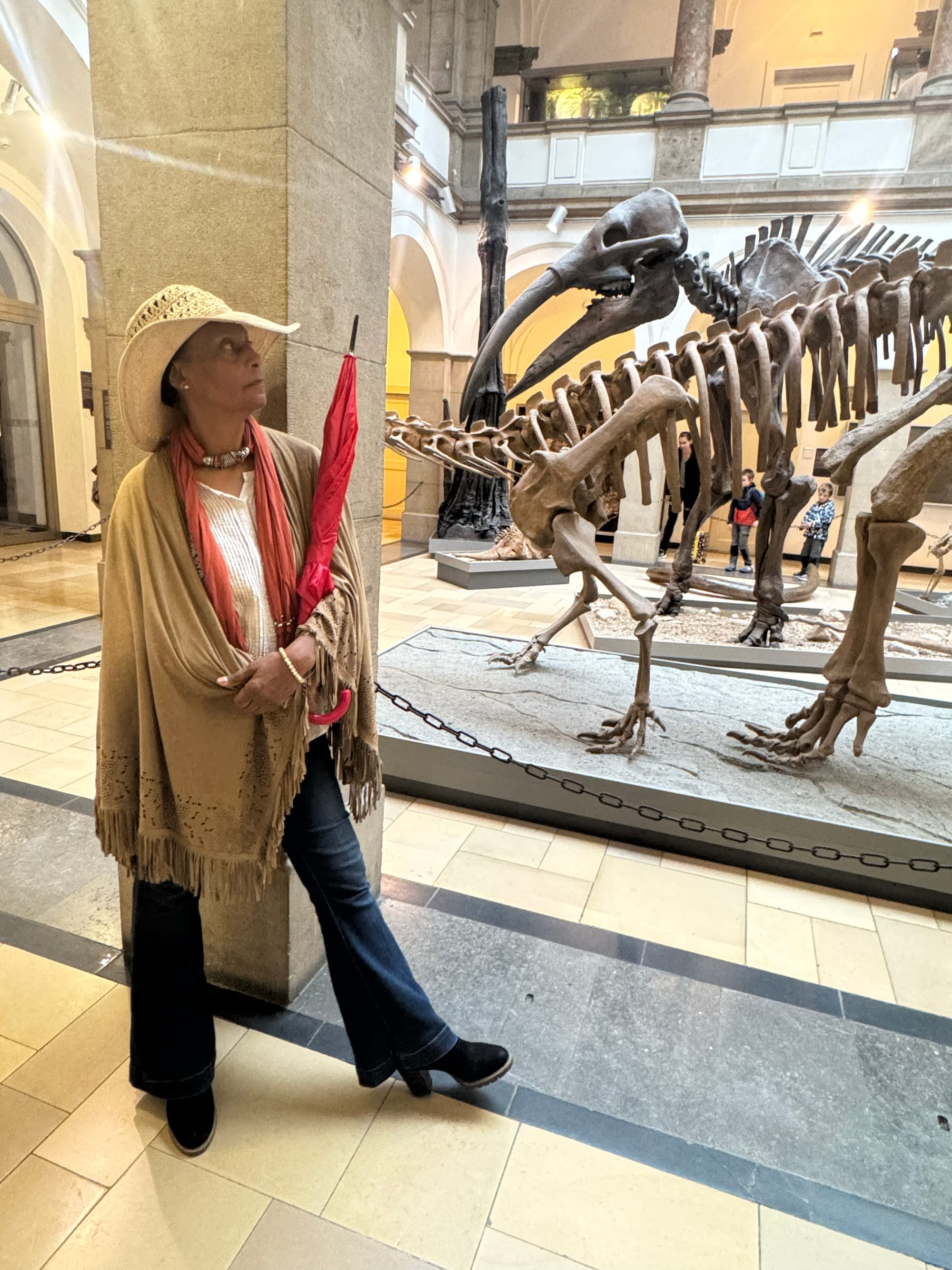
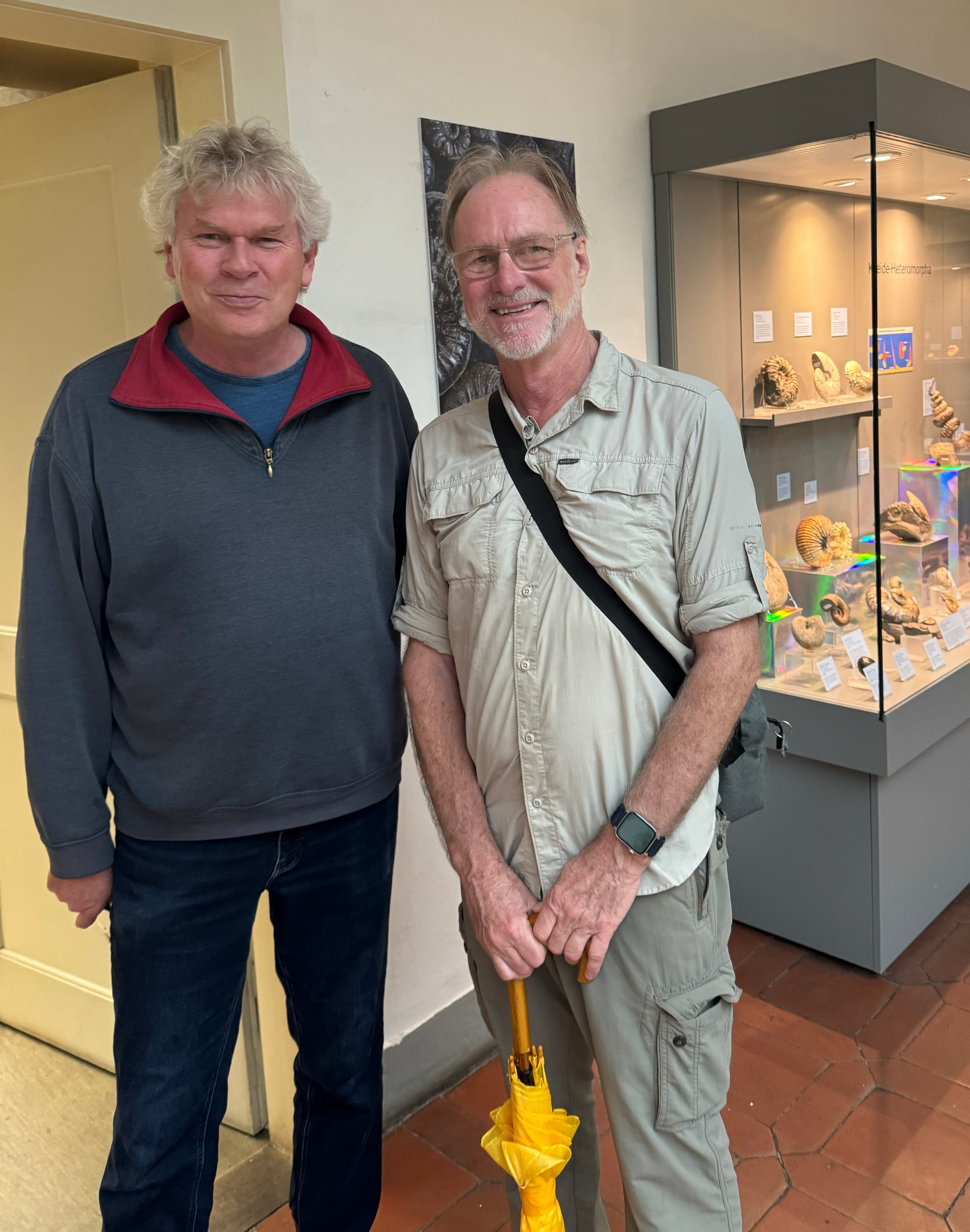
dinosaur skeletons | curator Dr. Martin Nose | Paleontological Museum
The State Museum of Egyptian Art |
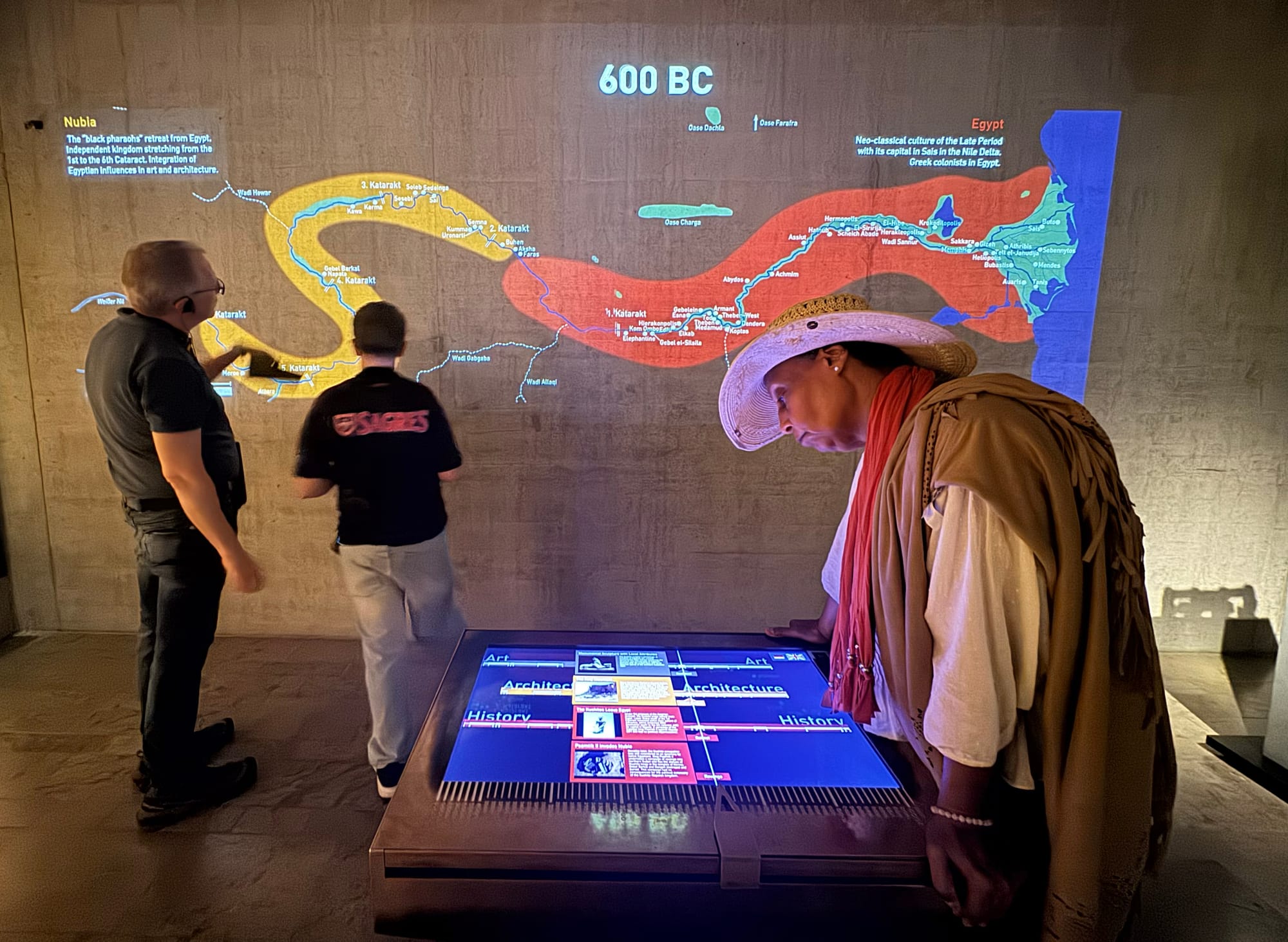
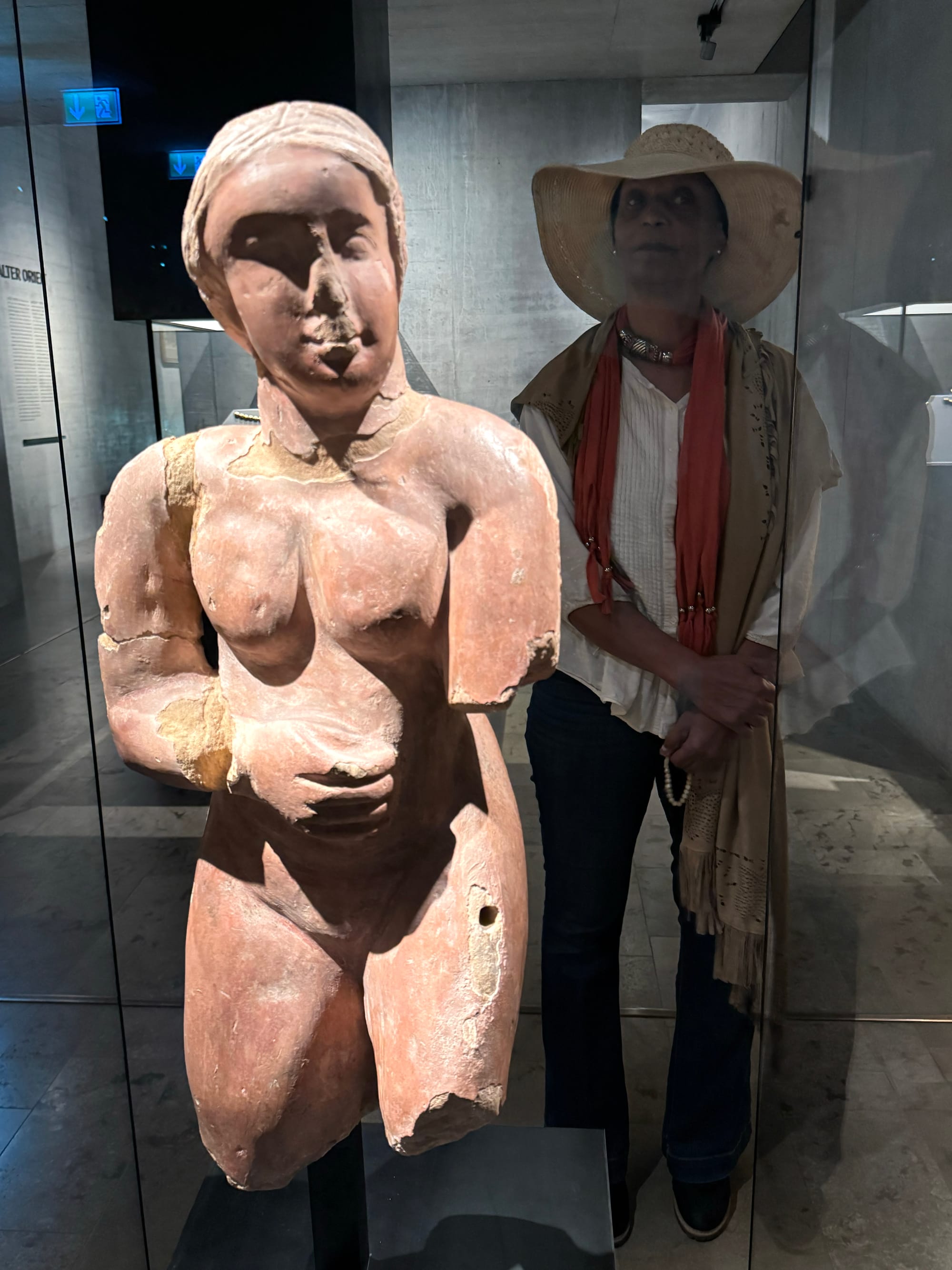
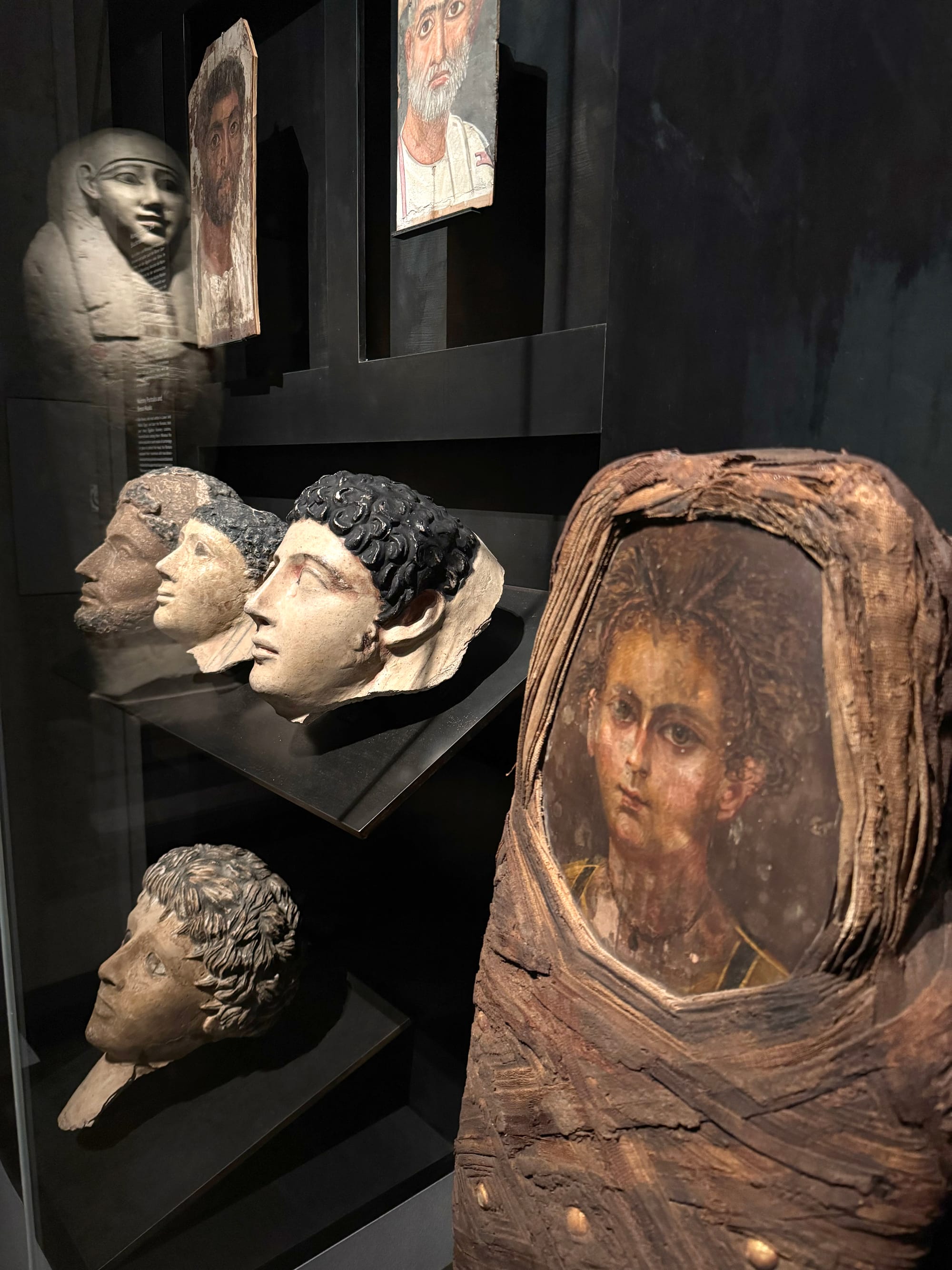
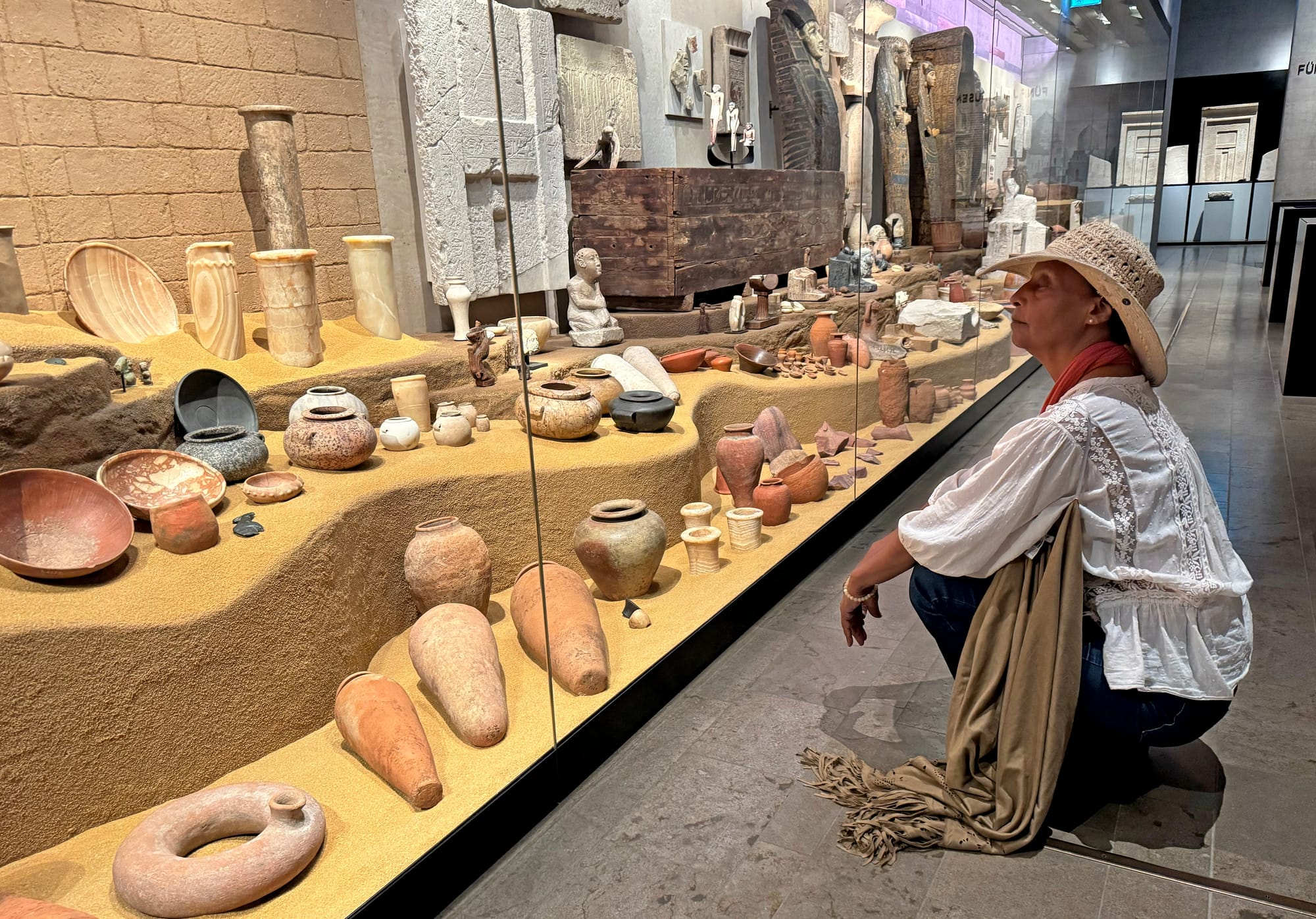
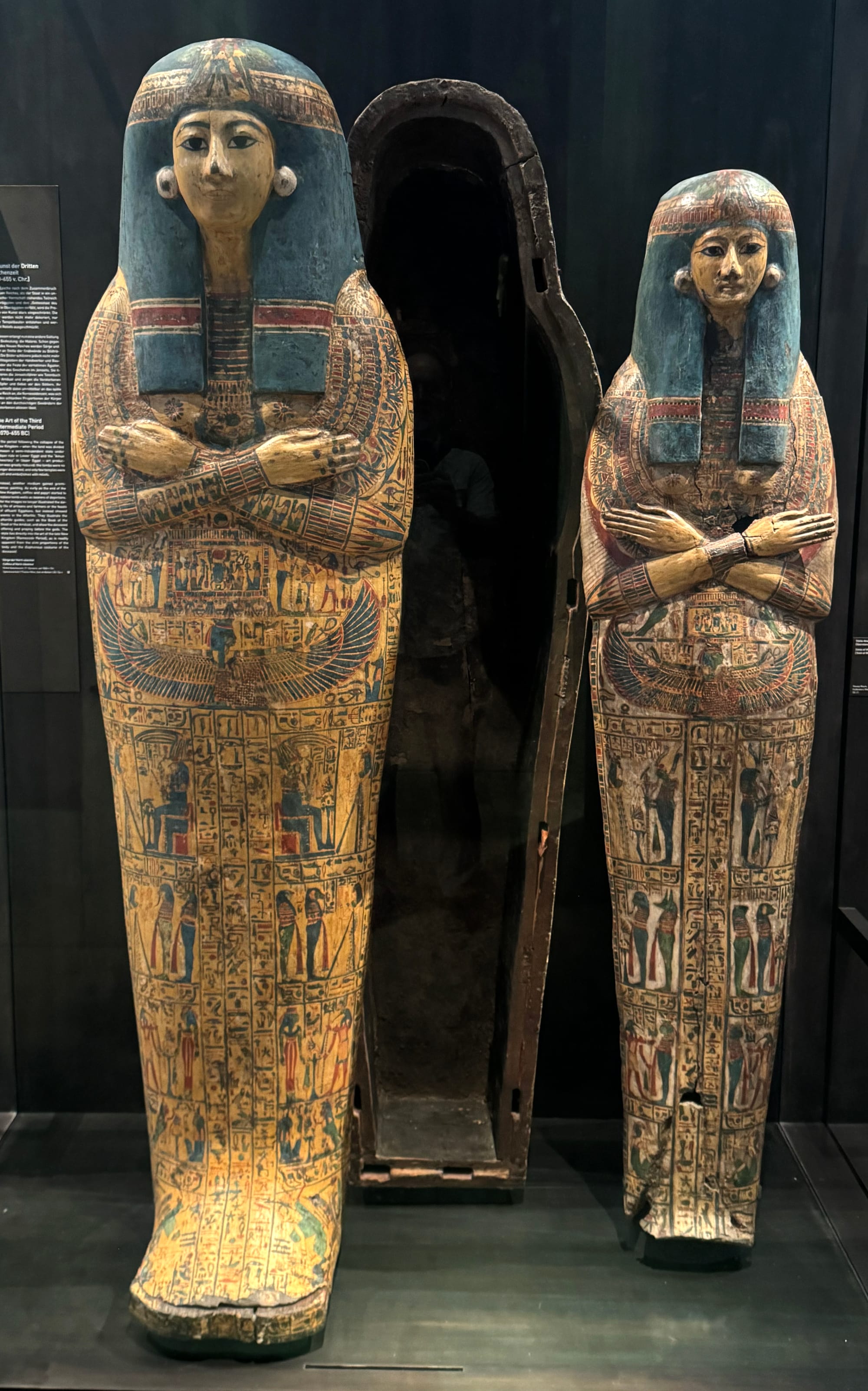
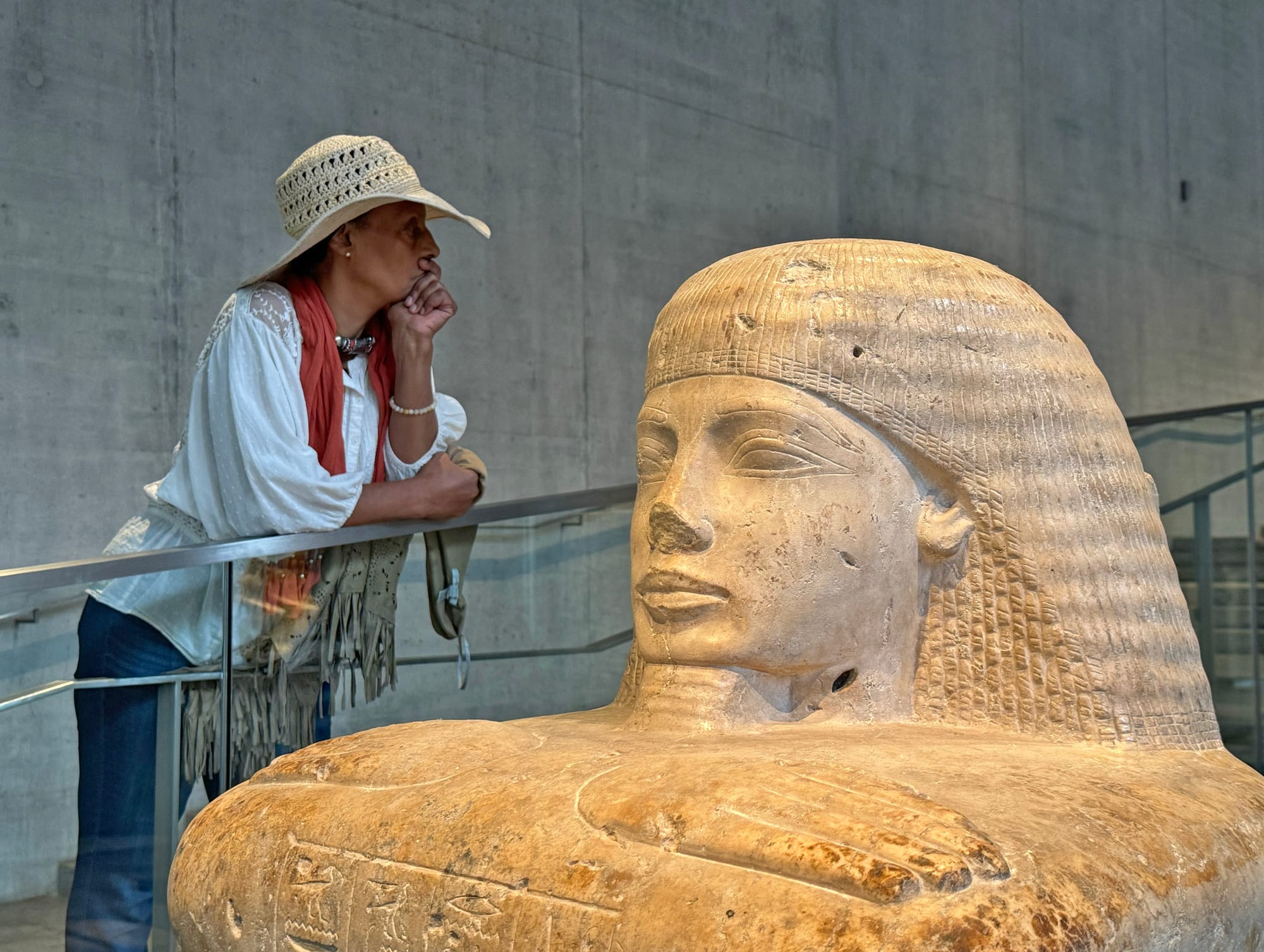
Interactive display showing Nubian Civilization | Nubian "Meroitic Venus" | mummy masks | coffins of Herit-Ubekhet - 1070-665 BC | Egyptian Museum of Art
Munich city scenes |
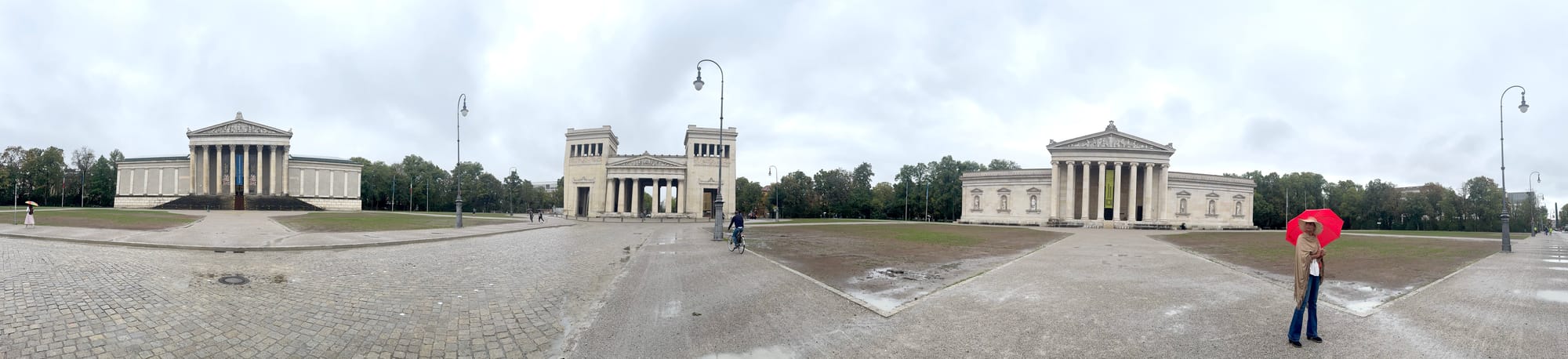
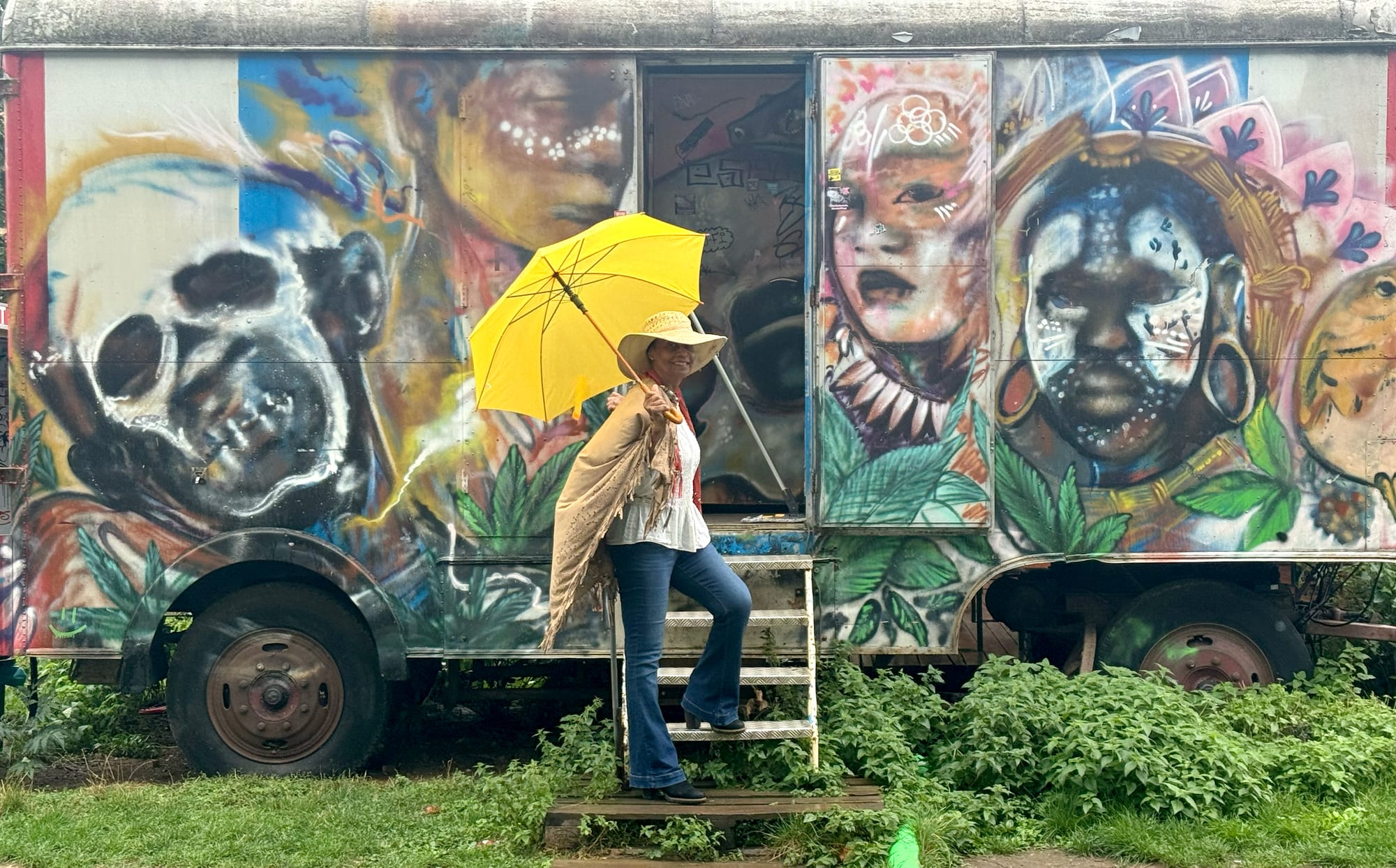
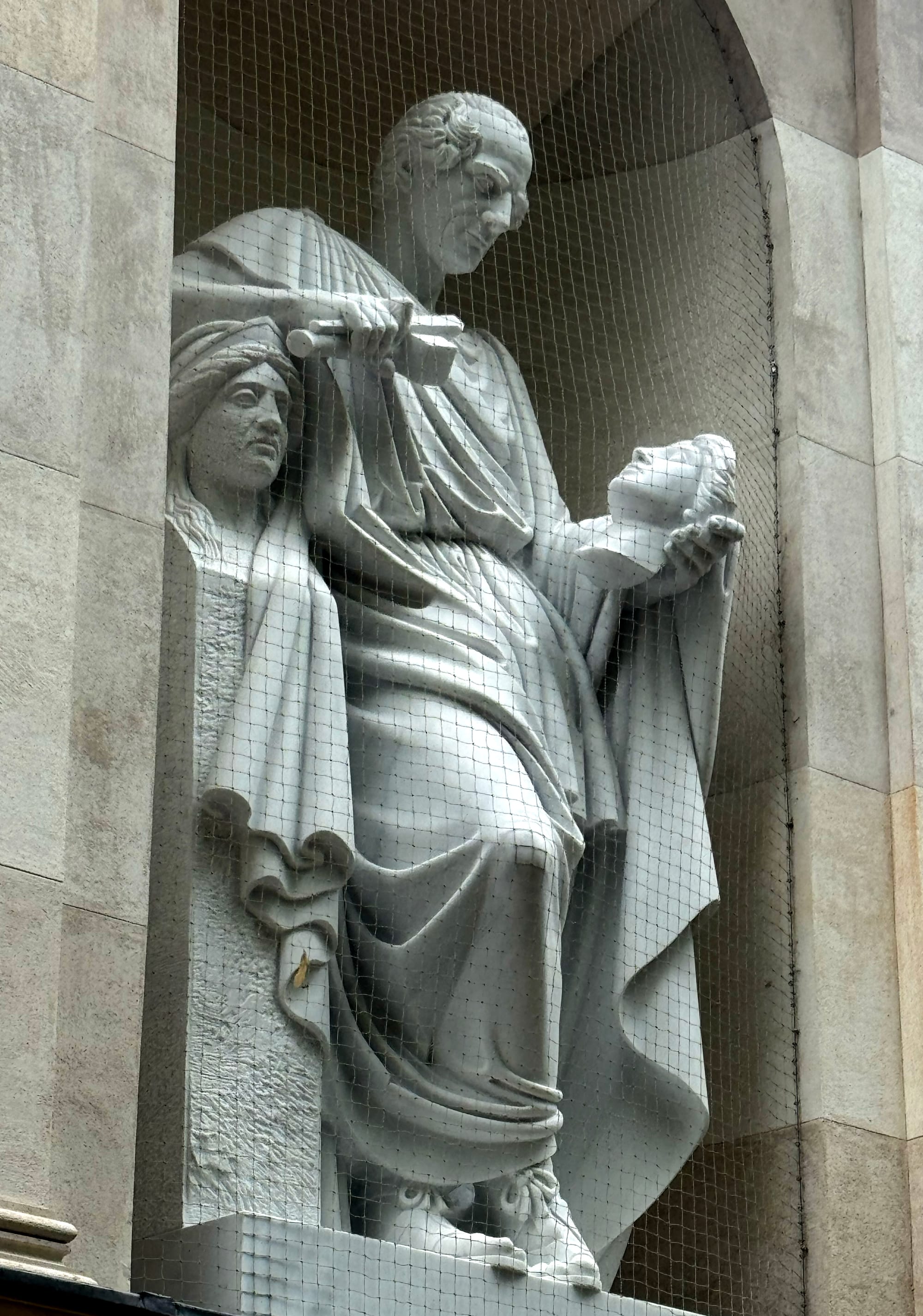
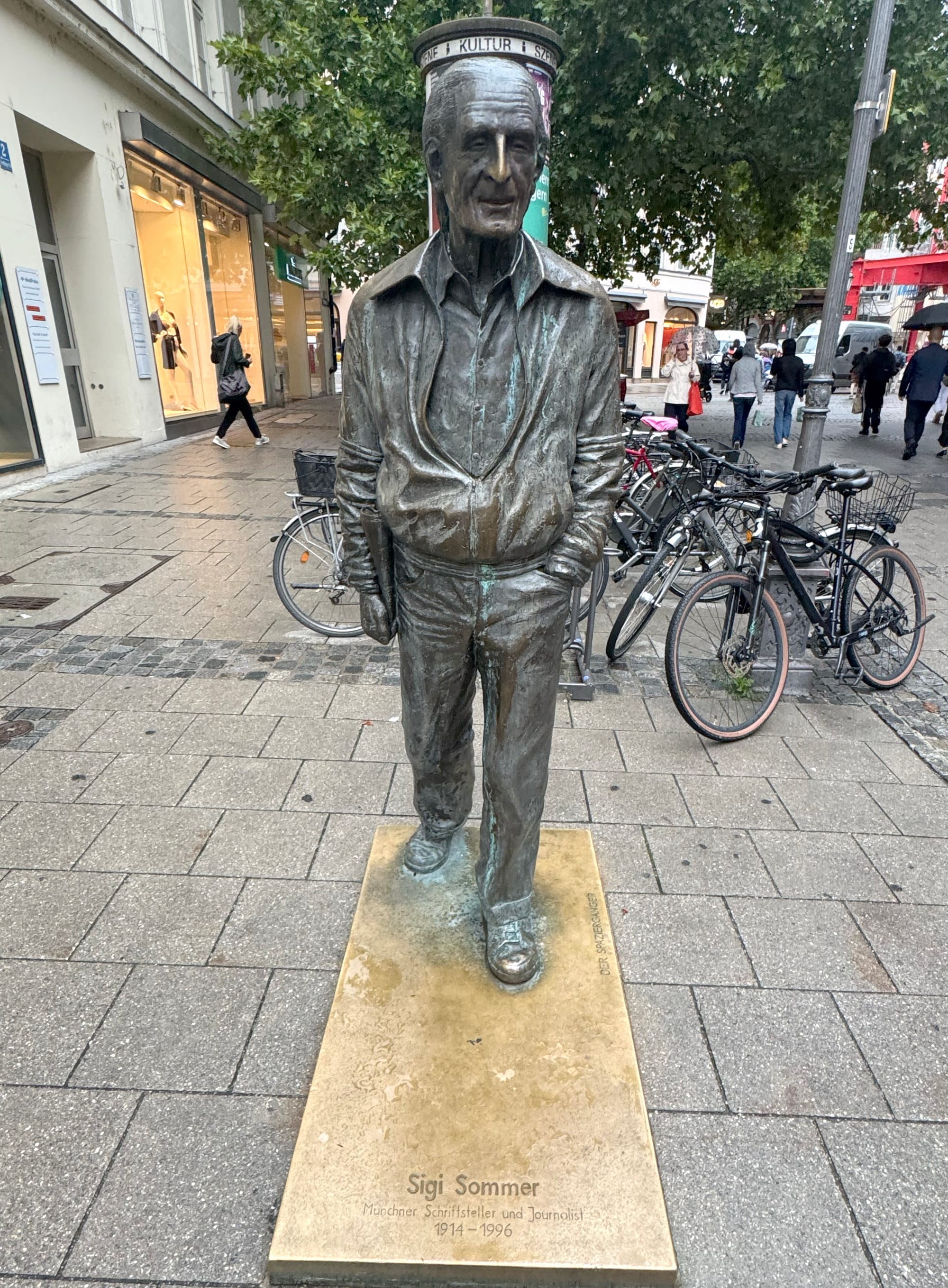
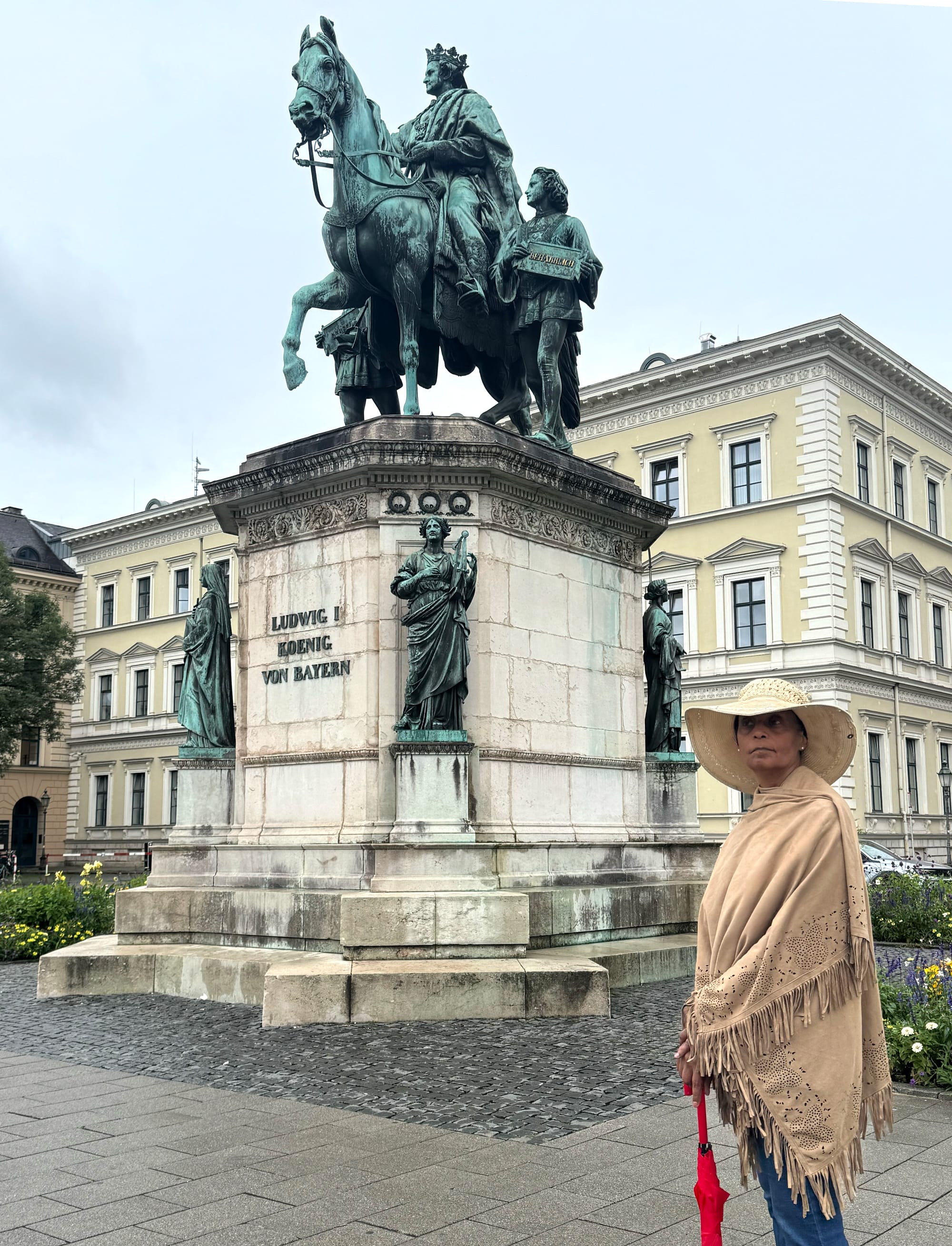
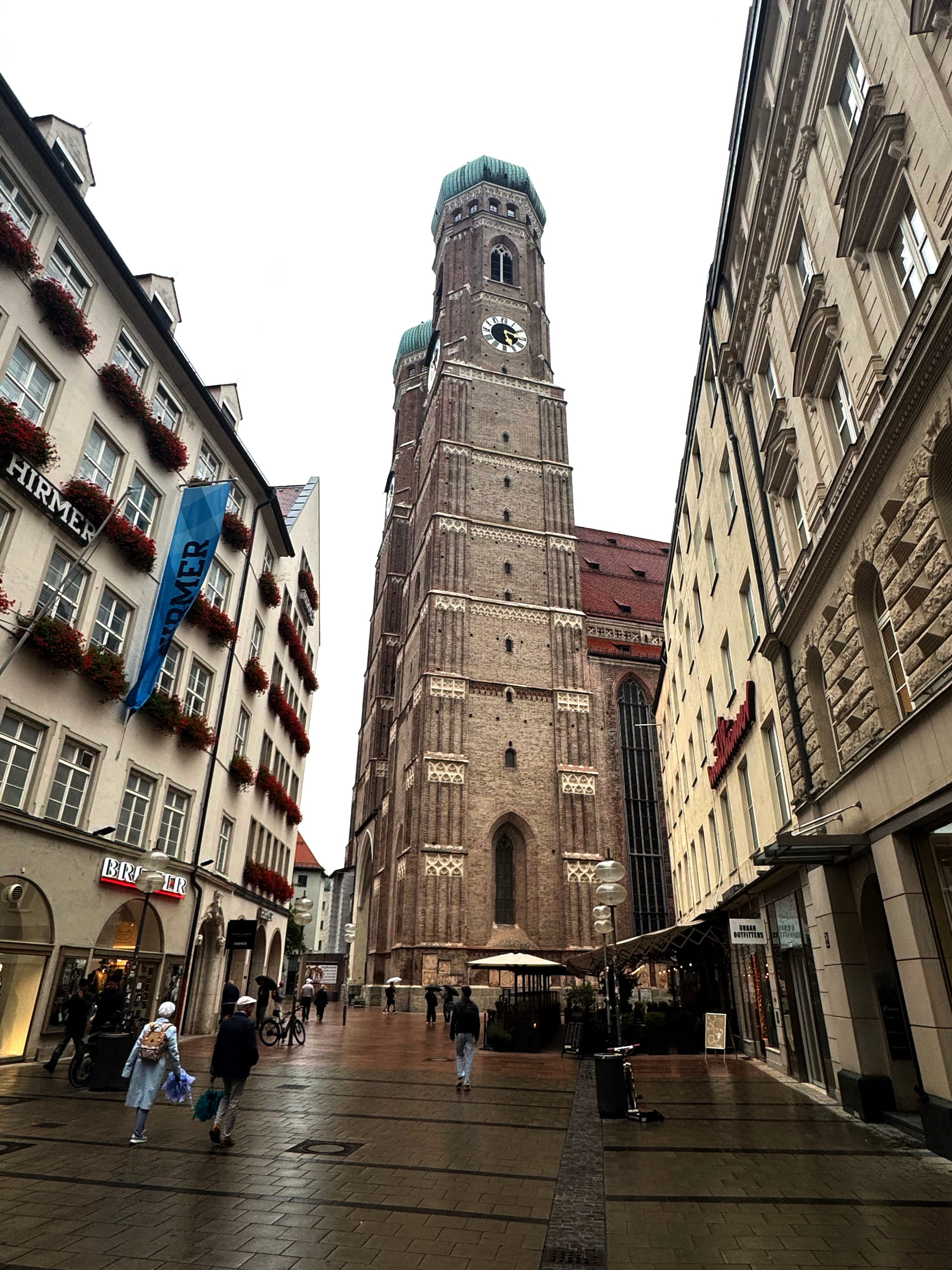
train graffiti art | Greek statue | King Ludwig I | journalist Sigi Sommer statue | Frauenkirche | downtown Munich
Closing night celebration |
Guests and participants dance to Sudanese Nubian tunes | 40 secs